




7 Best Software Tools for Veterinarians in 2026
Summary of the article
Digitail: Best all in one cloud platform for clinics that want practice management, AI SOAP dictation, scheduling, reminders, and billing in one place.
Shepherd: Best for workflow heavy hospitals that want SOAP records, charge capture, messaging, and reporting inside one system.
Voicy: Best for fast dictation, follow-up writing, discharge notes, referral letters, and browser based documentation across Mac, Windows, and Chrome based web apps.
ezyVet: Best for larger or more complex practices that need strong customization, templates, and advanced reporting.
PetDesk: Best for client communication, reminders, online booking, and reducing front desk phone load.
Otto: Best for clinics that want communication workflows, reminders, payments, and extra automation around the PIMS.
ScribbleVet: Best for AI visit notes, SOAP drafts, and client summary emails built for veterinary medicine.
If you are choosing the best software tools for veterinarians, do not shop for one magic app. Most clinics need a strong practice system, a communication layer, and a faster way to write notes.
That is where this list helps. I looked at what the top pages cover, checked current vendor positioning, and picked tools that solve the daily work vets actually deal with: records, scheduling, reminders, calls, follow-ups, and charting.
How we chose these veterinary software tools
I focused on software that helps with at least one core clinic job: practice management, notes, dictation, scheduling, or communication. I also favored tools with a clear veterinary use case instead of generic business software dressed up with pet photos.
Another filter mattered too. Busy clinics do not need more tabs, more clicks, or more copy and paste. The strongest tools either replace several systems or remove painful admin work from the day.
Quick comparison table
Tool | Best for | Main category | Pricing |
|---|---|---|---|
All in one modern clinic software | Practice management | Custom quote | |
Workflow driven hospitals | Practice management | Custom quote | |
Larger and more complex practices | PIMS | Custom quote | |
Reminders and client self service | Communication | Custom quote | |
Communication and workflow automation | Communication | Custom quote | |
AI SOAP notes for vets | Documentation | From $40 per user per month | |
Dictation and writing across clinic tools | Speech to text | $8.49 per month, $82 per year, or $260 lifetime |
1. Digitail
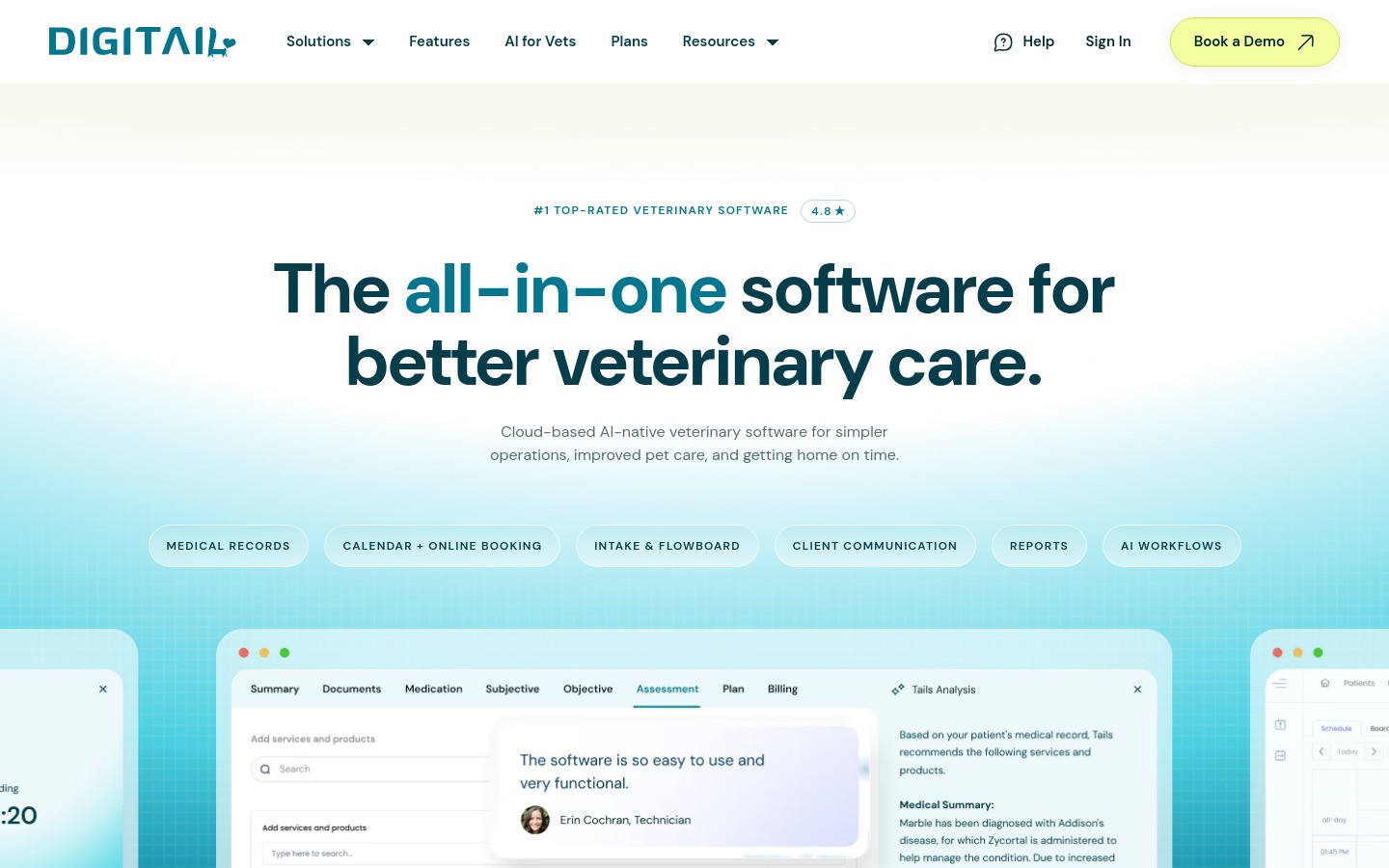
Digitail is one of the strongest picks if you want an all in one veterinary platform. Its positioning is clear: scheduling, records, communication, payments, AI SOAP dictation, and operational reporting all live in the same system.
Why it stands out:
Combines front desk, medical record, and back office work in one stack
Includes AI SOAP dictation and medical record summaries
Strong fit for clinics that want fewer disconnected tools
What to watch: All in one platforms can be excellent, but migration is still real work. If your team is used to an older PIMS, expect training time.
Best for: Small to mid sized clinics that want one modern system instead of a patchwork.
2. Shepherd
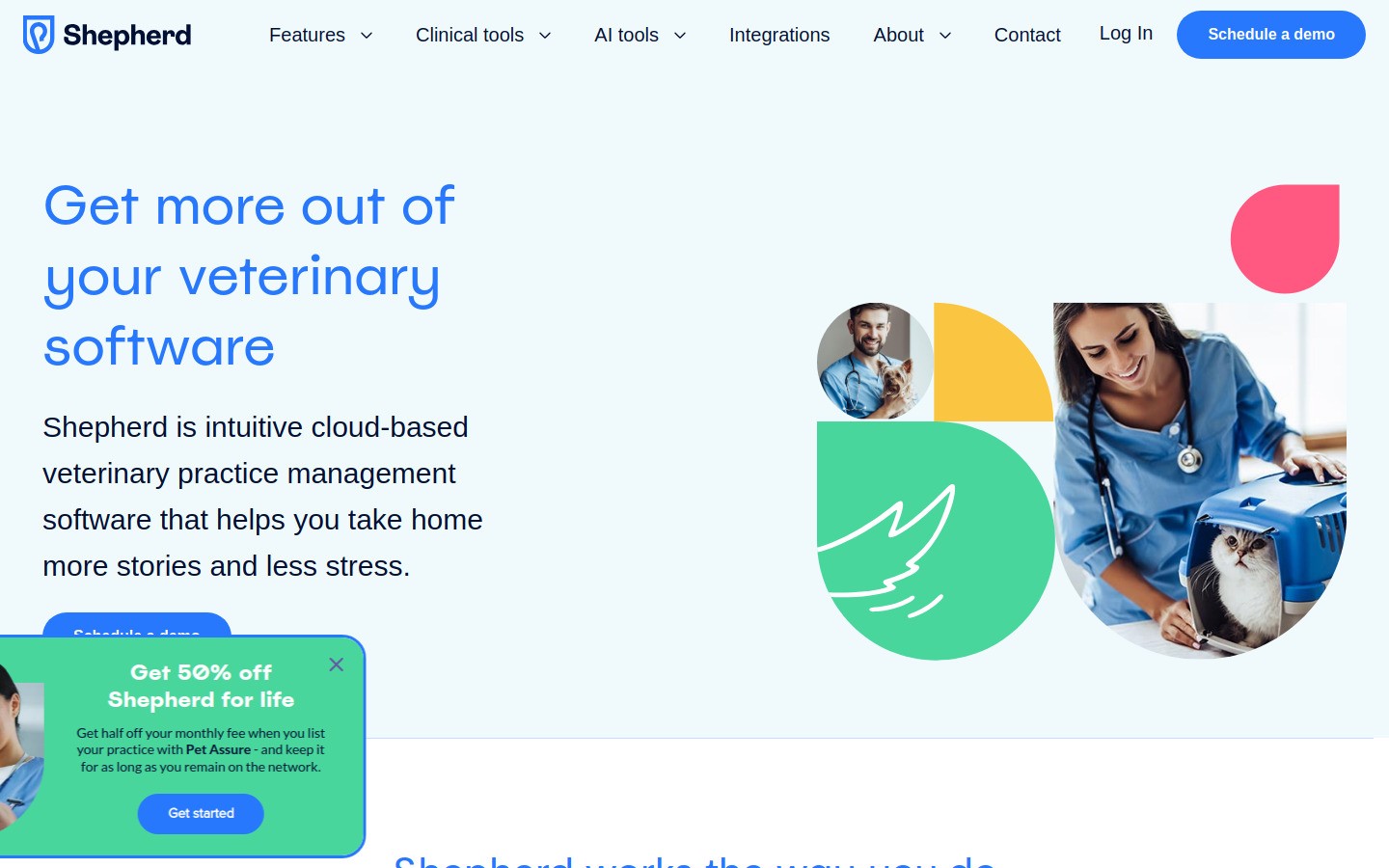
Shepherd is built around workflow. That shows up in its SOAP based records, patient dashboard, charge capture, messaging, and scheduling tools.
Why it stands out:
Native SOAP workflow feels close to how many vets already think through cases
Built in communication and pet portal reduce app switching
Strong automation around reminders, invoices, and follow-up tasks
What to watch: It is most compelling when your clinic wants to commit to the full workflow. If you only want one isolated feature, it may be more platform than you need.
Best for: Practices that care about reducing friction from intake through invoicing.
3. Voicy
Voicy is not a veterinary PIMS, and that is exactly why it can be useful. It helps when your work happens across many tools: the browser based PIMS, email, referral portals, discharge instructions, internal notes, and follow-up messages.
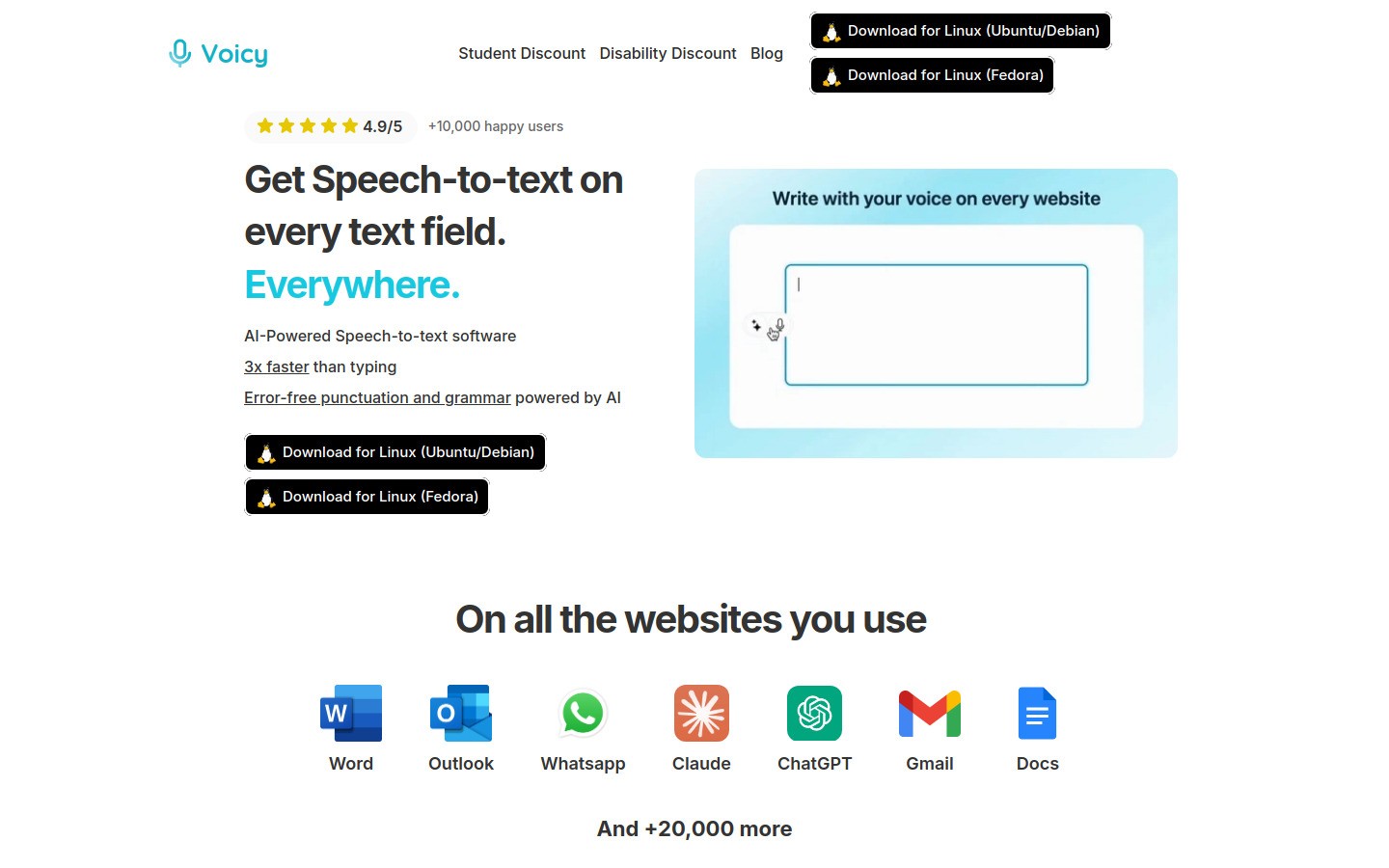
Voicy gives you cloud based transcription with a free trial and works on Mac, Windows, and as a browser extension. Pricing is simple: $8.49 per month, $82 per year, or $260 lifetime.
Why it stands out:
Works across text fields instead of locking you into one record system
Useful for dictating case notes, discharge instructions, internal handoffs, and referral letters
Lower cost than veterinary specific scribes if you mainly want fast speech to text and writing help
What to watch: Voicy will not replace your PIMS or your client communication system. It is best as a speed layer for documentation and writing.
Best for: Solo vets, associates, and managers who write in several systems every day and want to cut typing.
Where Voicy fits naturally in a veterinary workflow
A lot of veterinary software claims to save time, but the typing still lands on you. That is why a flexible dictation tool can make sense even if you already have a good clinic platform.
Use it to draft notes in web based systems and portals
Use it for treatment plan summaries and follow-up emails
Use it in shared docs when building protocols or staff notes
If your team already keeps protocols in Notion, shares templates in Google Docs, or works inside browser tabs all day, the fit is pretty obvious. The Voicy browser extension is the most direct way to add speech to text across those web workflows. For teams drafting client education or rough summaries before polishing them, speech to text in ChatGPT is another practical feeder path.
4. ezyVet
ezyVet has been a go to name for practices that need more depth. Search results and vendor pages both point to its strengths in scheduling, notes templates, reporting, and support for more complex workflows.
Why it stands out:
Advanced templating helps with repeatable notes and standard workflows
Strong reporting and automation for growing practices
Cloud based setup works well for mobile vets and multi site teams
What to watch: More capability usually means more setup. Smaller clinics may find it heavier than they need on day one.
Best for: Larger clinics, specialty groups, and practices with more complex operational needs.
5. PetDesk
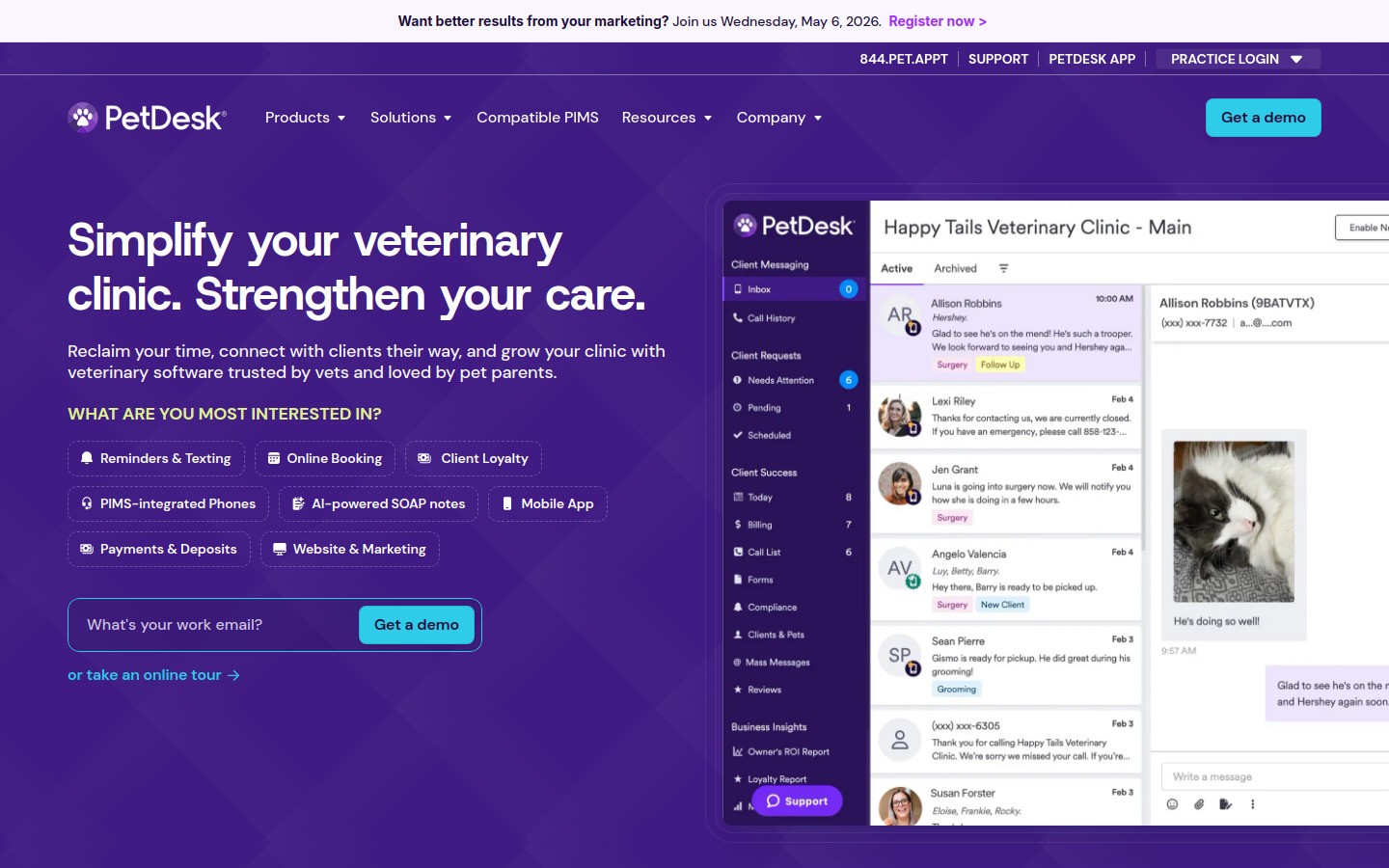
PetDesk is worth a look when the biggest pain in your clinic is front desk overload. Its core promise is simple: fewer calls, easier reminders, online scheduling, forms, refill requests, and better client communication.
Why it stands out:
Strong reminder and self service booking workflows
Good fit for clinics trying to cut phone volume
Improves client experience without replacing the full PIMS
What to watch: PetDesk is not your whole clinic system. It is most useful when paired with a solid medical record and operations setup.
Best for: Clinics that already have a PIMS but need better communication and scheduling.
6. Otto
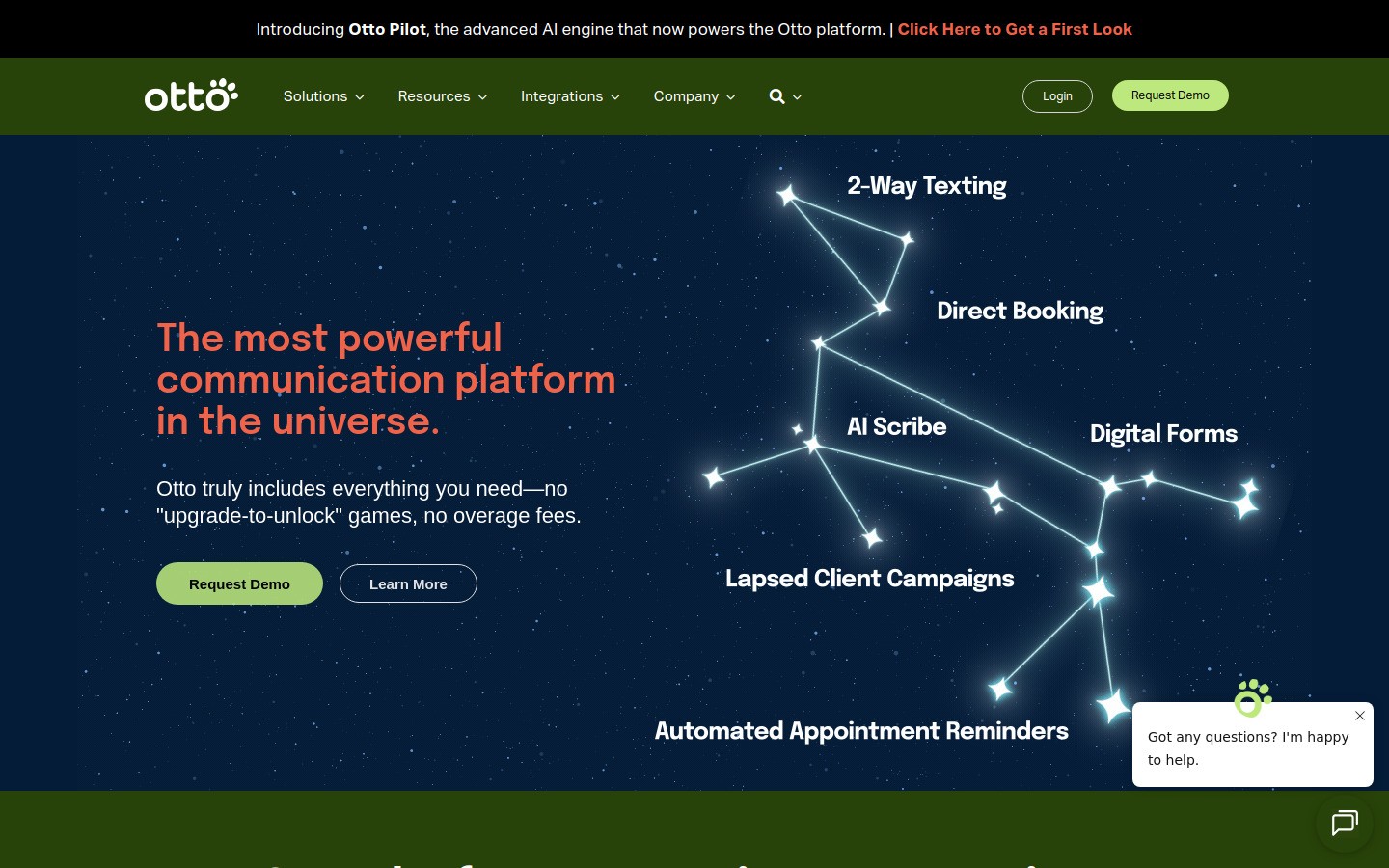
Otto sits in a similar category to PetDesk, but leans hard into workflow automation. It covers reminders, texting, email, phone, video, payments, and patient engagement.
Why it stands out:
Designed to streamline communication around the visit, not just send reminders
Helps clinics consolidate multiple communication tools
Good choice for teams that want automation without replacing the main PIMS
What to watch: If your current system already handles communication well, there may be overlap. This one pays off most when your current setup feels scattered.
Best for: Clinics that want a better communication layer and smoother day to day workflows.
7. ScribbleVet
ScribbleVet focuses on one painful problem: getting notes done on time. It records the appointment or dictated summary, then turns that into a SOAP note and can also draft client friendly recap emails.
Why it stands out:
Built specifically for veterinary medicine, not generic healthcare
Good for doctors who are still finishing charts at night
Includes extras like client recap emails and PIMS transfer support
What to watch: It is focused on documentation, not whole clinic operations. That is a strength if notes are your biggest bottleneck, but not a replacement for a full platform.
Best for: High volume vets and teams that want faster charting without losing detail.
What matters most when choosing software for veterinarians
The best software tools for veterinarians are not always the ones with the longest feature list. They are the ones your team will actually use at 5:45 PM on a packed day.
Here are the buying questions I would ask first:
Does this save clicks, or just move them somewhere else?
Will doctors finish notes faster?
Will the front desk handle fewer calls?
Does it reduce copying and pasting between systems?
How painful is migration and training?
If documentation is the slow part, prioritize note speed. If the front desk is drowning, prioritize communication and scheduling. If everything feels fragmented, look hardest at all in one systems.
Final verdict
If you want one core system, start with Digitail, Shepherd, or ezyVet depending on your clinic size and complexity. If your biggest problem is client communication, PetDesk and Otto deserve a serious look.
If charting is what keeps you late, ScribbleVet is one of the clearest veterinary specific picks. If you want a cheaper and more flexible way to dictate notes, discharge instructions, and admin writing across many tools, Voicy is a smart add on rather than a full replacement.
The honest answer is that most clinics will end up with a stack, not a single winner. The goal is not fewer logos. It is less after hours typing.


