





Vocalinux Alternatives: 7 Tools Compared in 2026
TL;DR
Best overall: Voicy, everyday dictation plus uploaded-file transcription.
Speech Note: Speech Note, offline Linux speech-to-text and text-to-speech.
Nerd Dictation: Nerd Dictation, open-source Linux dictation scripting with command-line control.
Spokenly: Spokenly, local dictation, bring-your-own API keys, Linux support, and privacy controls.
Wispr Flow: Wispr Flow, polished AI dictation across desktop and mobile.
Superwhisper: Superwhisper, local and cloud dictation with custom modes.
Apple Dictation: Apple Dictation, free built-in Apple dictation.
Answer first: Vocalinux is a strong Linux-native option for local/offline dictation. Voicy is the better alternative when Linux is only one part of a cross-device writing workflow.
Vocalinux makes sense for Linux users who value control, local setup, or open-source tooling. This guide compares alternatives for people who want that privacy angle, plus options for teams that need easier setup, mobile support, and uploaded-file transcription.
Vocalinux alternatives compared
Tool | Best for | Platforms | Pricing | Main tradeoff |
|---|---|---|---|---|
everyday dictation plus uploaded-file transcription | Mac, Windows, browser extension, iOS, and Android | $8.49/month, $82/year, or $260 lifetime, with a free trial | Cloud-based processing is not a fit for fully local-only rules. | |
offline Linux speech-to-text and text-to-speech | Linux via Flathub | free/open-source distribution | Linux-focused and more technical than managed apps. | |
open-source Linux dictation scripting with command-line control | Linux and command-line workflows | free/open source | Very technical setup for mainstream users. | |
local dictation, bring-your-own API keys, Linux support, and privacy controls | macOS, iOS, Windows, and Linux | local and bring-your-own-key options plus paid Pro plans | More technical model choices can be helpful or annoying, depending on the user. | |
polished AI dictation across desktop and mobile | Mac, Windows, iPhone, and Android | free Basic tier and paid Pro plan | Higher monthly cost than Voicy and weaker fit if uploaded-file transcription matters. | |
local and cloud dictation with custom modes | Mac, Windows, iPhone, and iPad | free limited access, monthly, annual, and lifetime options | More model-control focused than simple everyday dictation. | |
free built-in Apple dictation | Mac, iPhone, and iPad | included with supported Apple devices | Apple-only and lighter on AI workflow features. |
1. Voicy
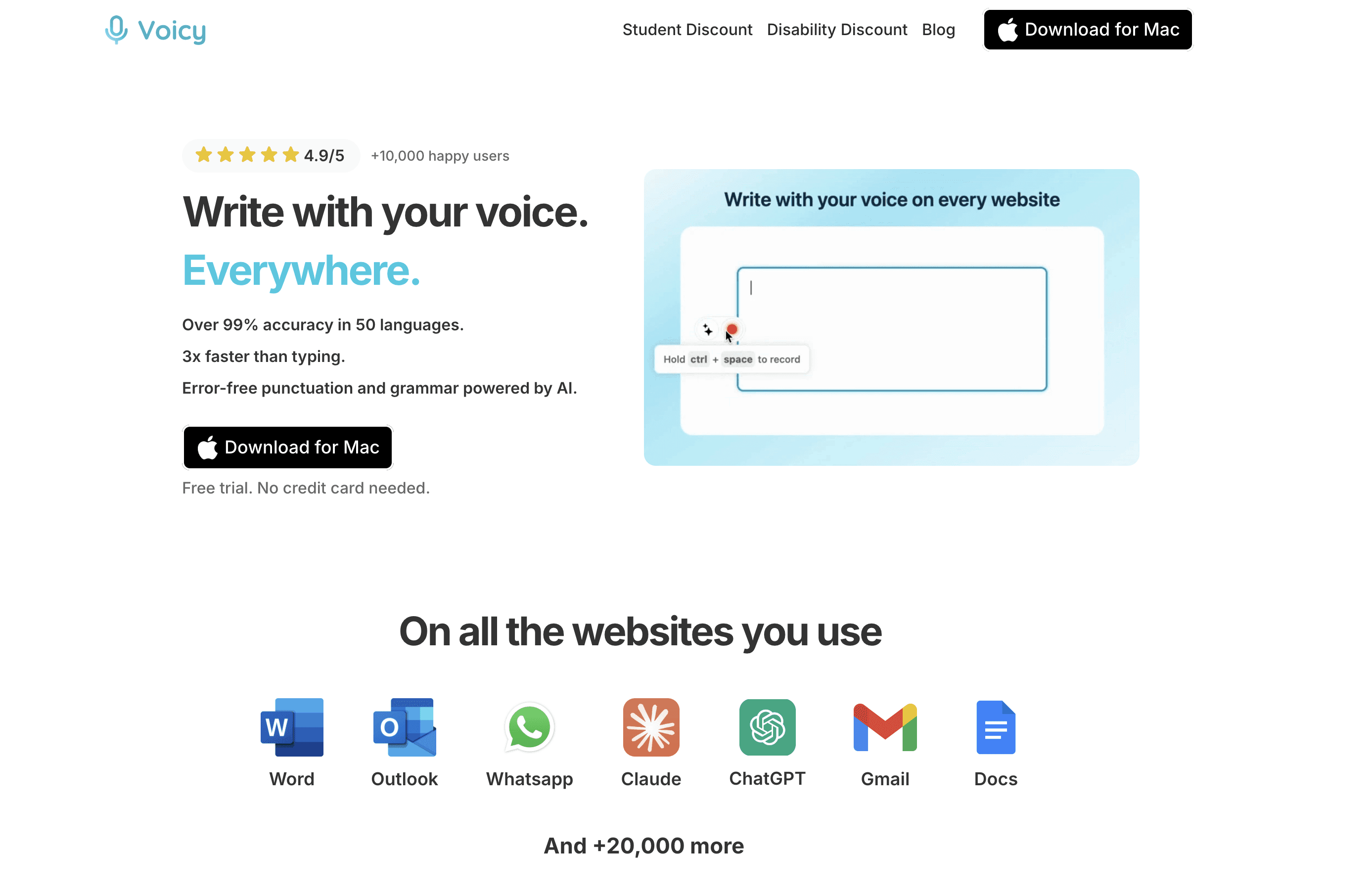
Voicy is the best choice when you want one voice workflow for live dictation, browser writing, mobile writing, and uploaded audio files. It is built for emails, documents, notes, prompts, chat messages, and saved recordings rather than one narrow app.
Best for: everyday dictation plus uploaded-file transcription.
Platforms: Mac, Windows, browser extension, iOS, and Android.
Pricing: $8.49/month, $82/year, or $260 lifetime, with a free trial.
Main tradeoff: Cloud-based processing is not a fit for fully local-only rules.
2. Speech Note
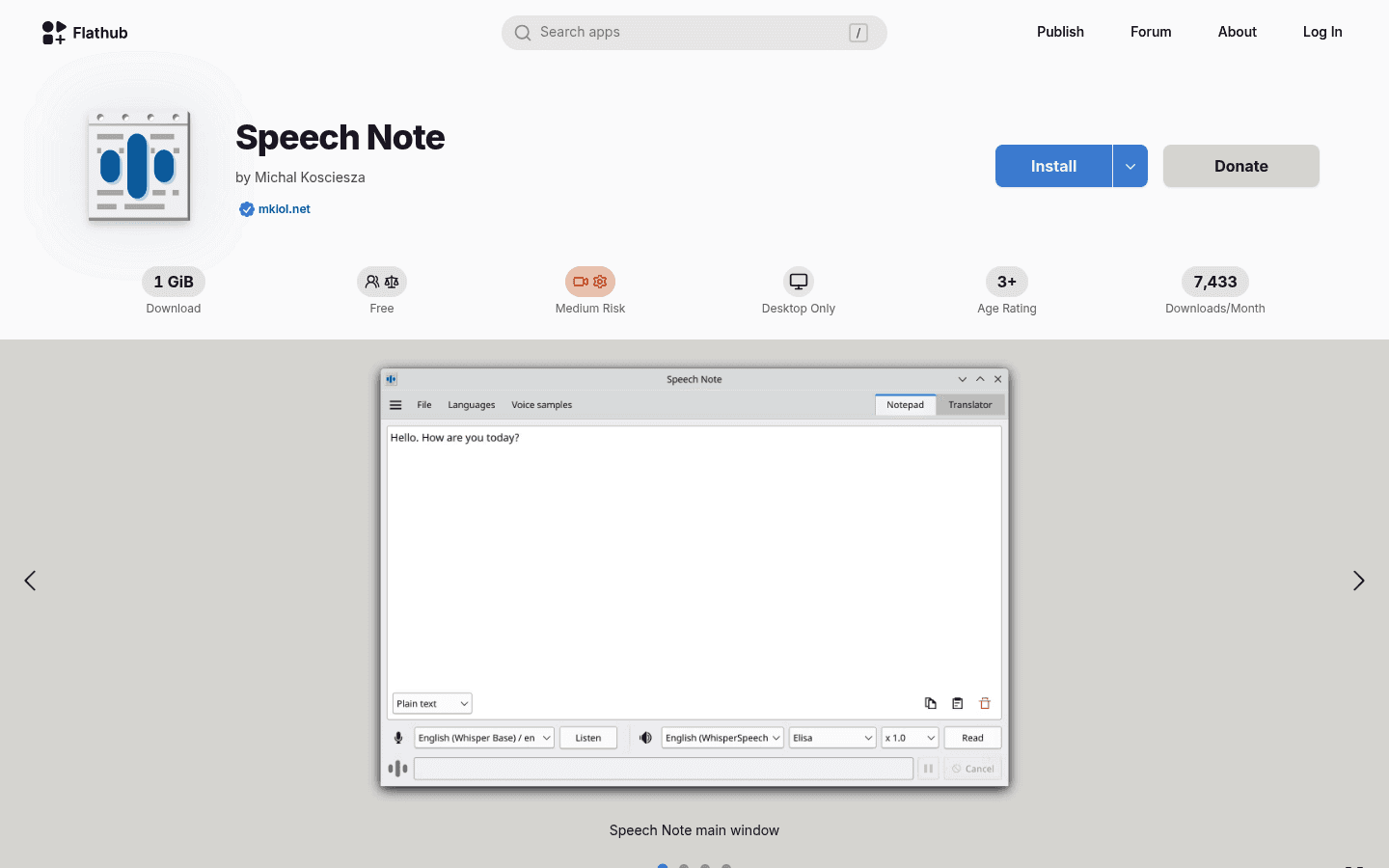
Speech Note is for Linux users who want offline speech-to-text and text-to-speech without sending audio to a cloud app. It is a strong privacy pick, but the Linux-only focus and model setup make it less friendly for mixed-device teams.
Best for: offline Linux speech-to-text and text-to-speech.
Platforms: Linux via Flathub.
Pricing: free/open-source distribution.
Main tradeoff: Linux-focused and more technical than managed apps.
3. Nerd Dictation
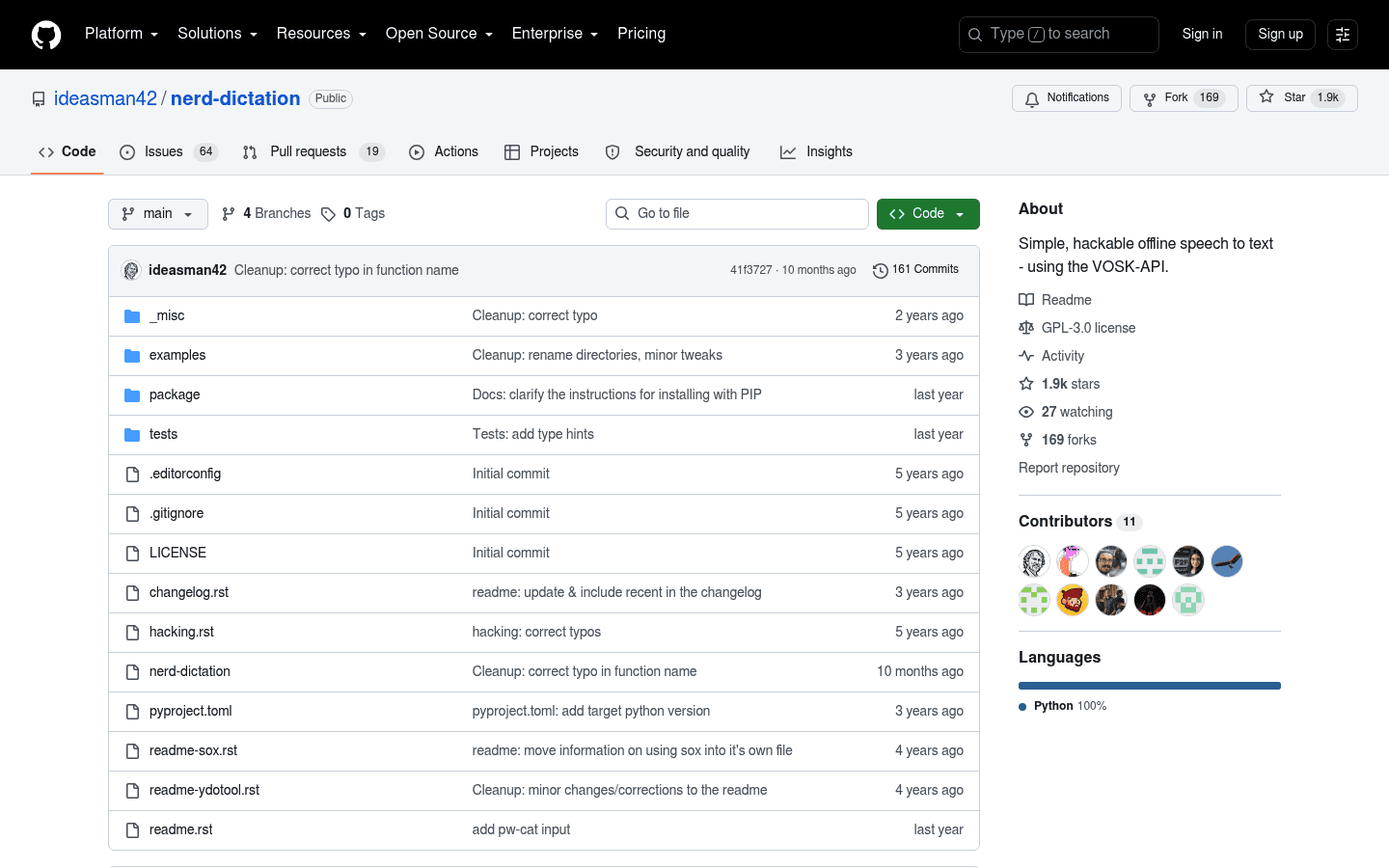
Nerd Dictation is a command-line Linux dictation project. It is great if you are comfortable wiring together scripts and local speech models, but it is the wrong tool for someone who wants a managed app with support and mobile coverage.
Best for: open-source Linux dictation scripting with command-line control.
Platforms: Linux and command-line workflows.
Pricing: free/open source.
Main tradeoff: Very technical setup for mainstream users.
4. Spokenly
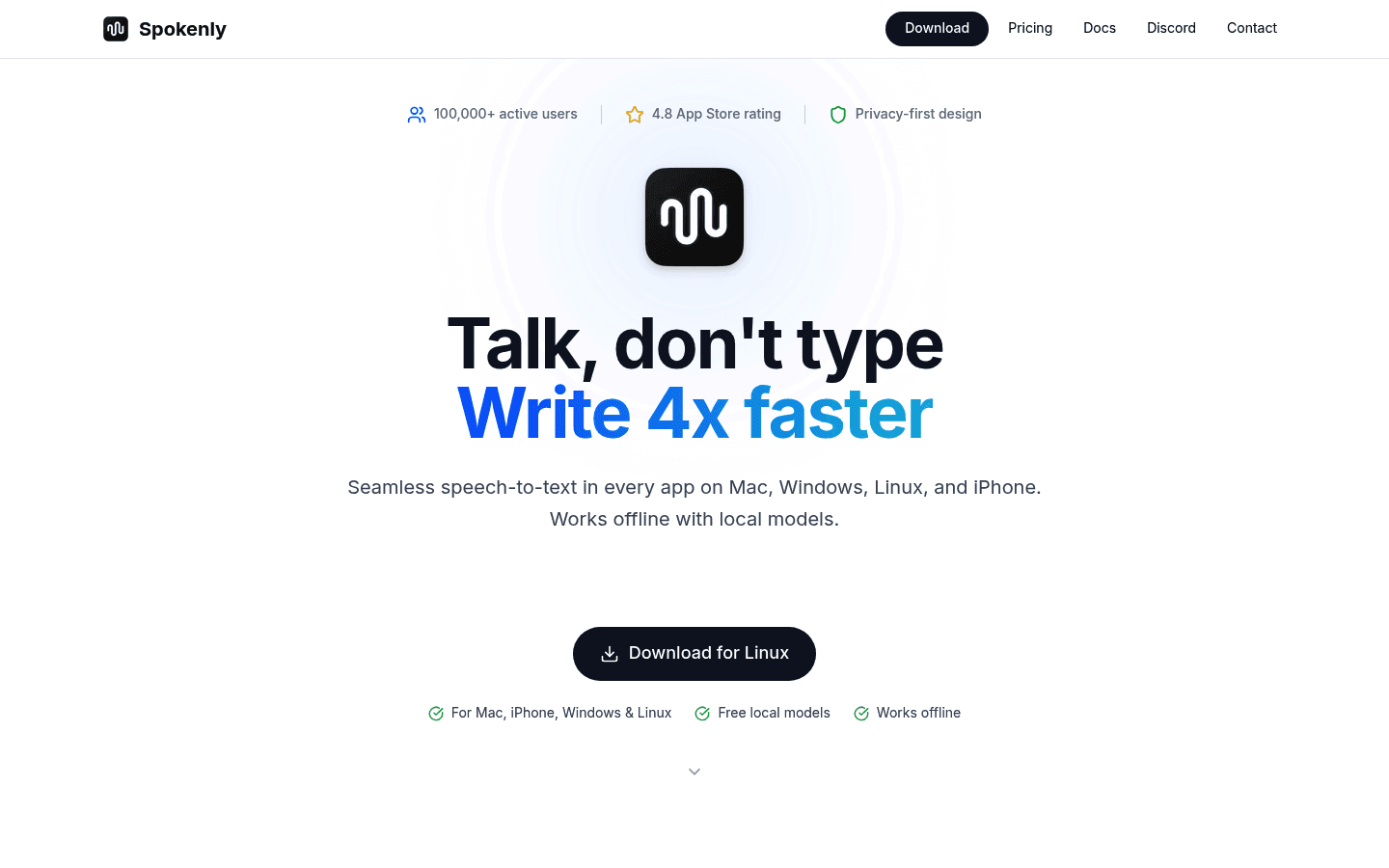
Spokenly is a strong pick when you care about local models, Linux, or bringing your own API key. It gives more control than most polished dictation apps, but that control is not always what an everyday writer wants.
Best for: local dictation, bring-your-own API keys, Linux support, and privacy controls.
Platforms: macOS, iOS, Windows, and Linux.
Pricing: local and bring-your-own-key options plus paid Pro plans.
Main tradeoff: More technical model choices can be helpful or annoying, depending on the user.
5. Wispr Flow
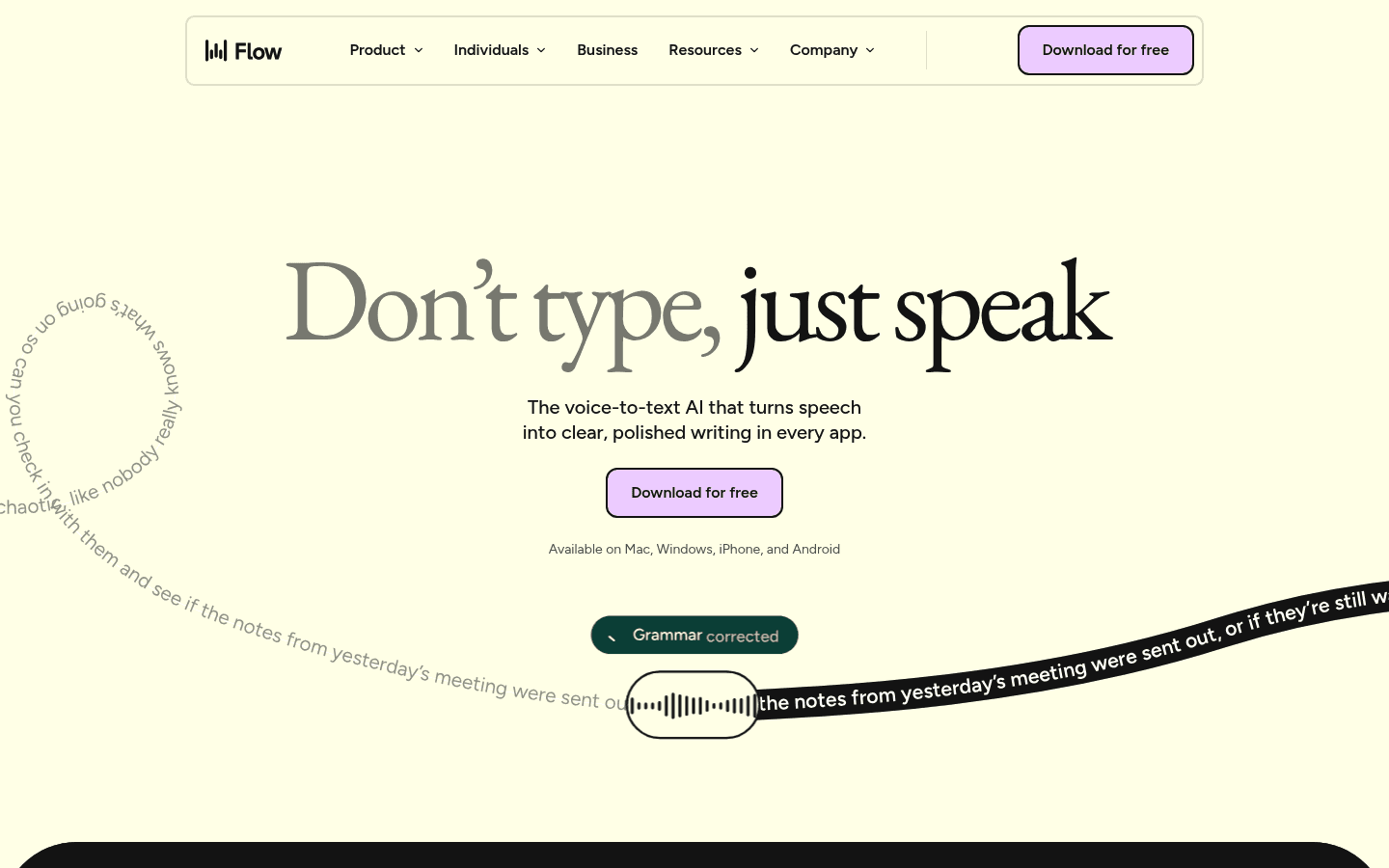
Wispr Flow is a polished managed dictation app. It is a good shortlist tool when you want AI cleanup and a refined interface, but it is not always the lowest-cost or broadest workflow pick.
Best for: polished AI dictation across desktop and mobile.
Platforms: Mac, Windows, iPhone, and Android.
Pricing: free Basic tier and paid Pro plan.
Main tradeoff: Higher monthly cost than Voicy and weaker fit if uploaded-file transcription matters.
6. Superwhisper
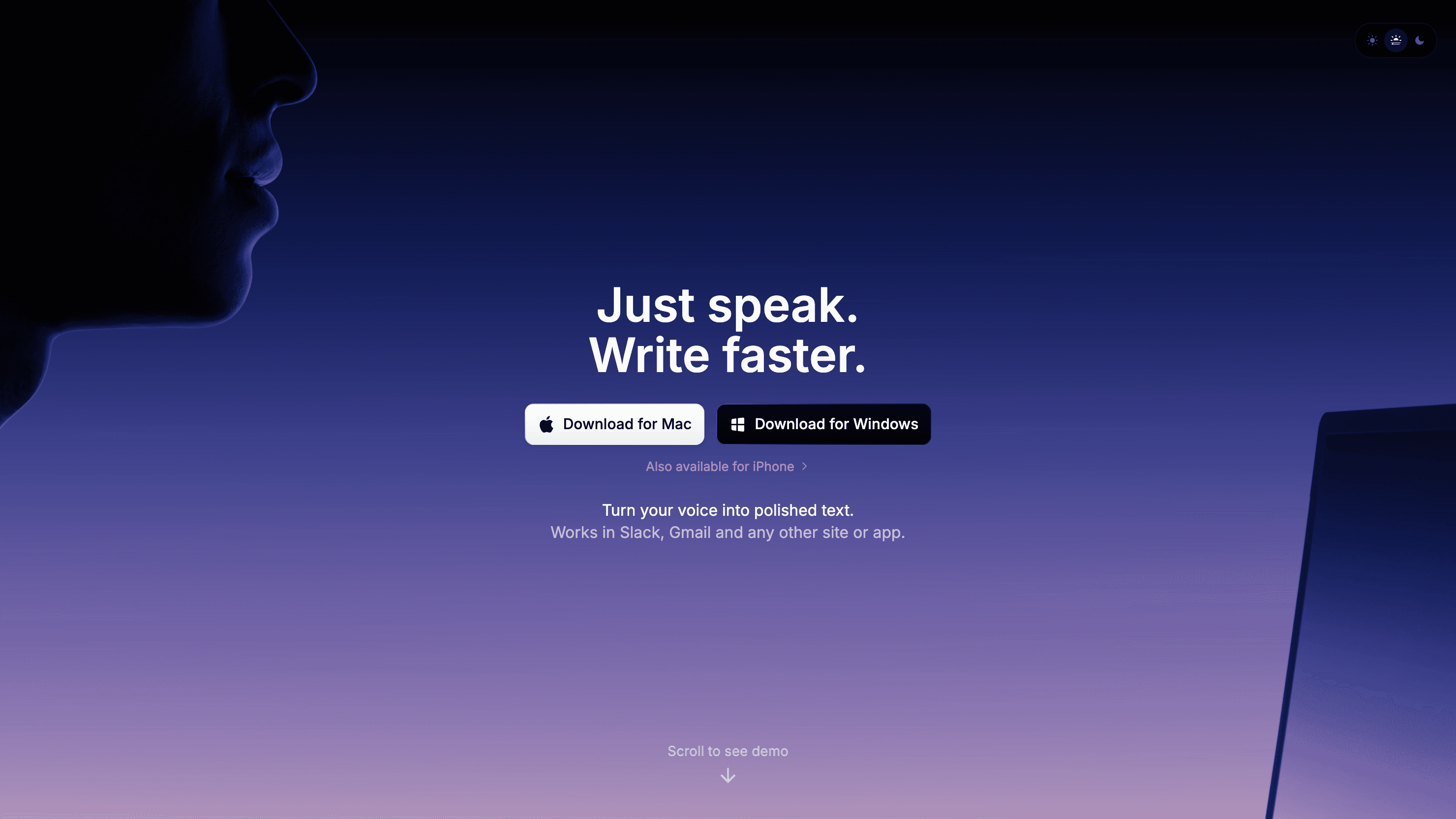
Superwhisper is worth comparing when privacy, local models, or custom modes matter. It is stronger for people who like tuning their setup than for people who want the simplest cross-device writing workflow.
Best for: local and cloud dictation with custom modes.
Platforms: Mac, Windows, iPhone, and iPad.
Pricing: free limited access, monthly, annual, and lifetime options.
Main tradeoff: More model-control focused than simple everyday dictation.
7. Apple Dictation
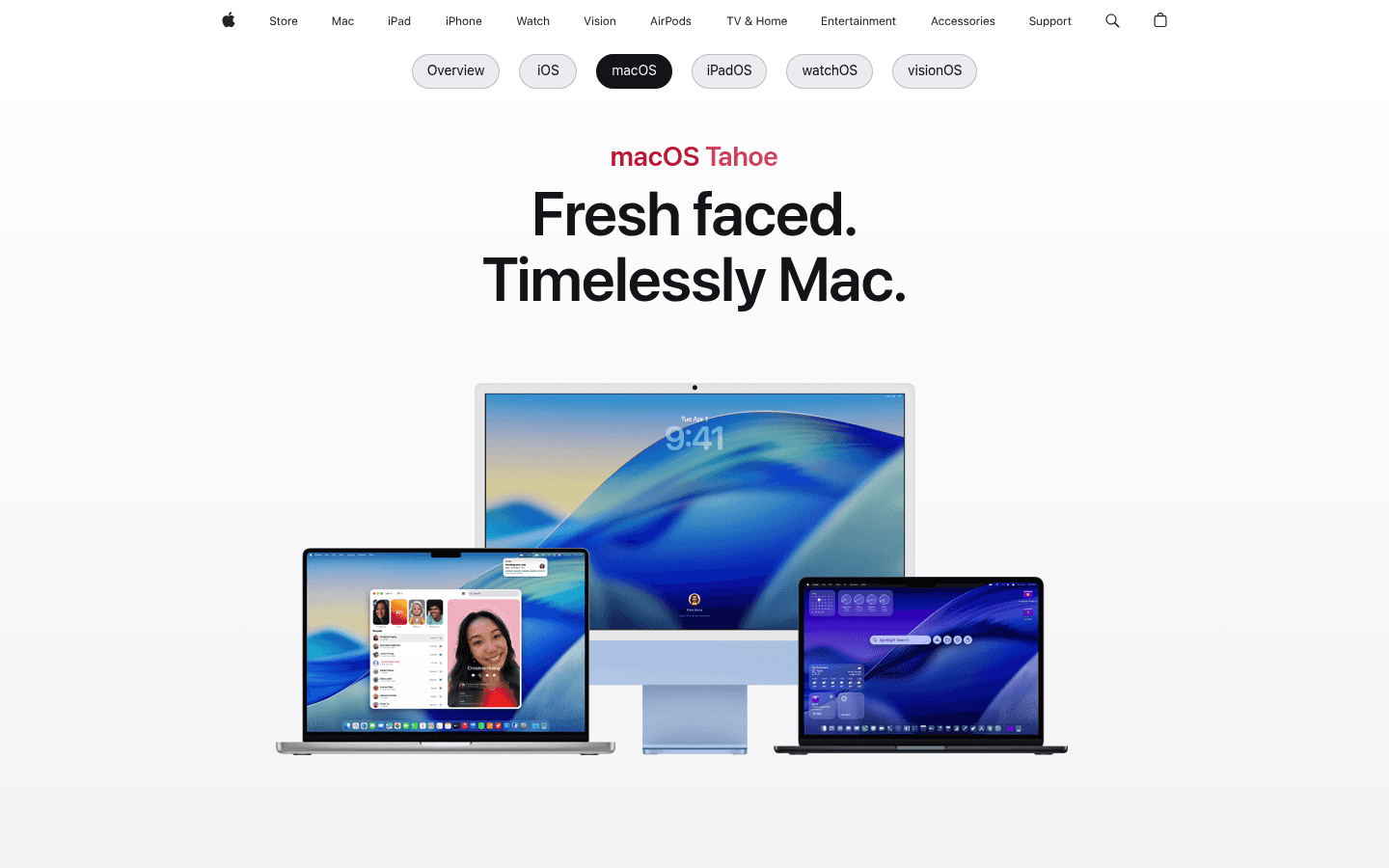
Apple Dictation is the best no-install starting point for Apple users. Keep it if your needs are light. Upgrade when you need cleaner daily dictation or non-Apple coverage.
Best for: free built-in Apple dictation.
Platforms: Mac, iPhone, and iPad.
Pricing: included with supported Apple devices.
Main tradeoff: Apple-only and lighter on AI workflow features.
How to choose
Start with the annoying part of your current setup. If the problem is one quick note, a built-in or browser tool may be enough. If the problem is copying text between apps all day, pick a dictation tool that works where your cursor already is.
The practical test is simple: dictate one email, one long note, one browser form, and one saved audio file. The tool that handles all four with the least cleanup is the one you will keep using.
Related guides
Frequently asked questions
What is the best Vocalinux alternative?
Voicy is the best Vocalinux alternative for most everyday writing workflows because it combines live dictation, broad app coverage, mobile support, and uploaded-file transcription. Vocalinux can still be better if your main need is offline Linux desktop dictation with Whisper/VOSK-style local workflows.
Is Vocalinux free?
Vocalinux is free and open source. The real cost is setup time and Linux-only workflow fit.
Should I switch from Vocalinux to Voicy?
Switch if your main need is writing across apps, browser fields, mobile, and audio files. Stay with Vocalinux if its specific workflow already solves your problem.
Which alternative is best for privacy?
Choose a local-first tool from the featured shortlist when local processing is the main requirement. Choose Voicy when cloud processing is acceptable and workflow coverage matters more.
Can Voicy transcribe uploaded files?
Yes. Voicy supports uploaded-file transcription as well as live dictation. That is one of the main reasons it is a strong alternative to narrower voice typing tools.
Does Voicy have a free plan?
Voicy has a free trial only. It is not a fully free app. Paid plans are $8.49/month, $82/year, or $260 lifetime.


