




Best Dictation Software for Insurance Agents in 2026
Meta description: Best dictation software for insurance agents in 2026. Compare 5 tools for client notes, follow-ups, claims, and faster daily admin.
Primary keyword: best dictation software for insurance agents
Secondary keywords: dictation software for insurance agents, voice typing for insurance agents, speech to text for insurance notes, insurance agent productivity tools
Category: Business
Summary of the article
Voicy is the best dictation software for insurance agents who need fast notes in every app. It works on Mac, Windows, and as a browser extension.
Dragon Professional is strong for agents who want heavy customization and deeper voice commands, but it costs much more.
Otter.ai is useful for call summaries and meeting notes, but it is not the best pick for system-wide typing.
Google Docs Voice Typing is a good free option if you already live in Google Docs.
Apple Dictation is handy for Mac users who want something built in, but it has fewer pro features.
Best Dictation Software for Insurance Agents
Insurance agents spend a big part of the day writing. You log client notes, draft follow-up emails, update CRMs, explain coverage, and document claim details. That work adds up fast.
The best dictation software for insurance agents helps you get those words out faster. Instead of typing every recap by hand, you talk, clean it up, and move on to the next client.
If you handle lots of calls, renewals, and policy questions, this can save real time. Even five minutes saved after each call turns into a much shorter day.
What insurance agents actually need from dictation software
Search intent here is simple. People are comparing tools, not learning what speech to text means. They want software that helps with real insurance work.
That means the tool should handle:
Client call notes
Claim summaries
Follow-up emails
CRM updates
Policy explanations and quote notes
For most agents, the best tool is not the one with the most features on paper. It is the one you will actually use between calls.
How we picked these tools
We looked for five things: accuracy, speed, ease of use, where the tool works, and how well it fits everyday insurance workflows.
We also cared about tradeoffs. A tool may be great for long reports but annoying for quick CRM notes. Another may be free but only work in one place.
1. Voicy
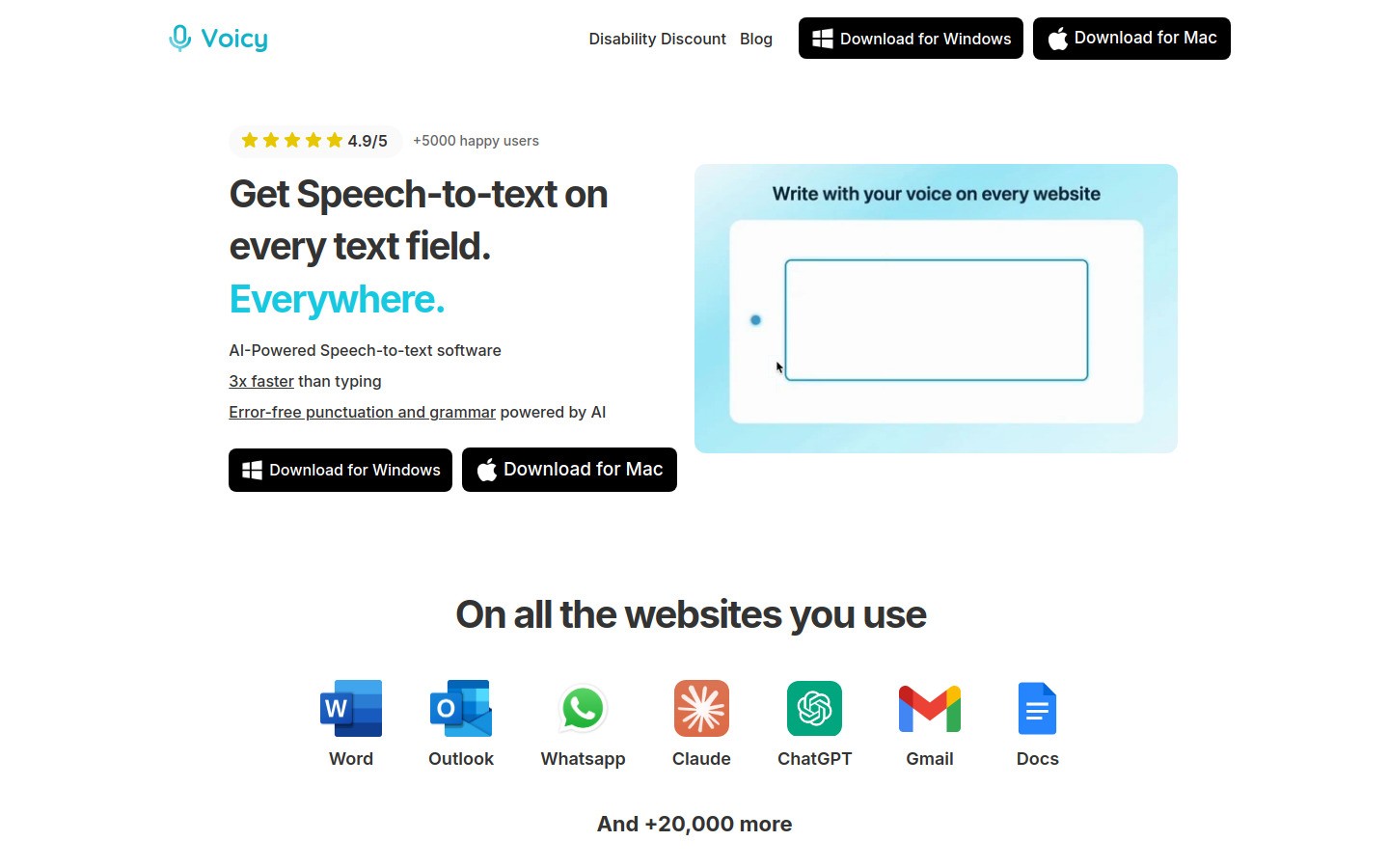
Best for: Insurance agents who want one dictation tool that works almost everywhere
Voicy is the easiest fit for most insurance agents because it works across the apps you already use. You can dictate into email, your CRM, browser forms, note apps, and docs without changing your workflow.
That matters when your day is full of short bursts of writing. After a client call, you want to click into a text box, speak the recap, and keep moving.
Why it works well for insurance agents
Good for quick call notes right after a conversation
Works across Mac, Windows, and browser extension workflows
Useful for follow-up emails, quote notes, and internal updates
Free trial available, so you can test it before paying
Pricing: Free trial, then $8.49/month, $82/year, or $260 lifetime.
Pros:
Works in many places, not just one document
Fast to start using
Affordable compared with legacy dictation tools
Helpful for both long notes and short admin work
Cons:
Cloud-based transcription, so you need internet access
Not a full voice-control system for your whole computer
Best use case: Agents who bounce between Gmail, CRMs, quote tools, and browser tabs all day.
2. Dragon Professional
Best for: Agencies that want deeper customization and do a lot of structured documentation
Dragon Professional is still the big name in dictation. It has been around for years, and some teams still like it for custom commands and industry vocabulary.
For insurance, that can help if you repeat the same policy language, carrier names, or claim phrases every day. The downside is the cost and setup. It is not the lightest tool here.
Pros:
Strong accuracy after setup
Custom vocabulary and commands
Good fit for agents who dictate long reports
Cons:
Much more expensive than newer options
Can feel old and heavy
Takes more time to learn
Best use case: Power users who want to shape the tool around a very specific workflow.
3. Otter.ai
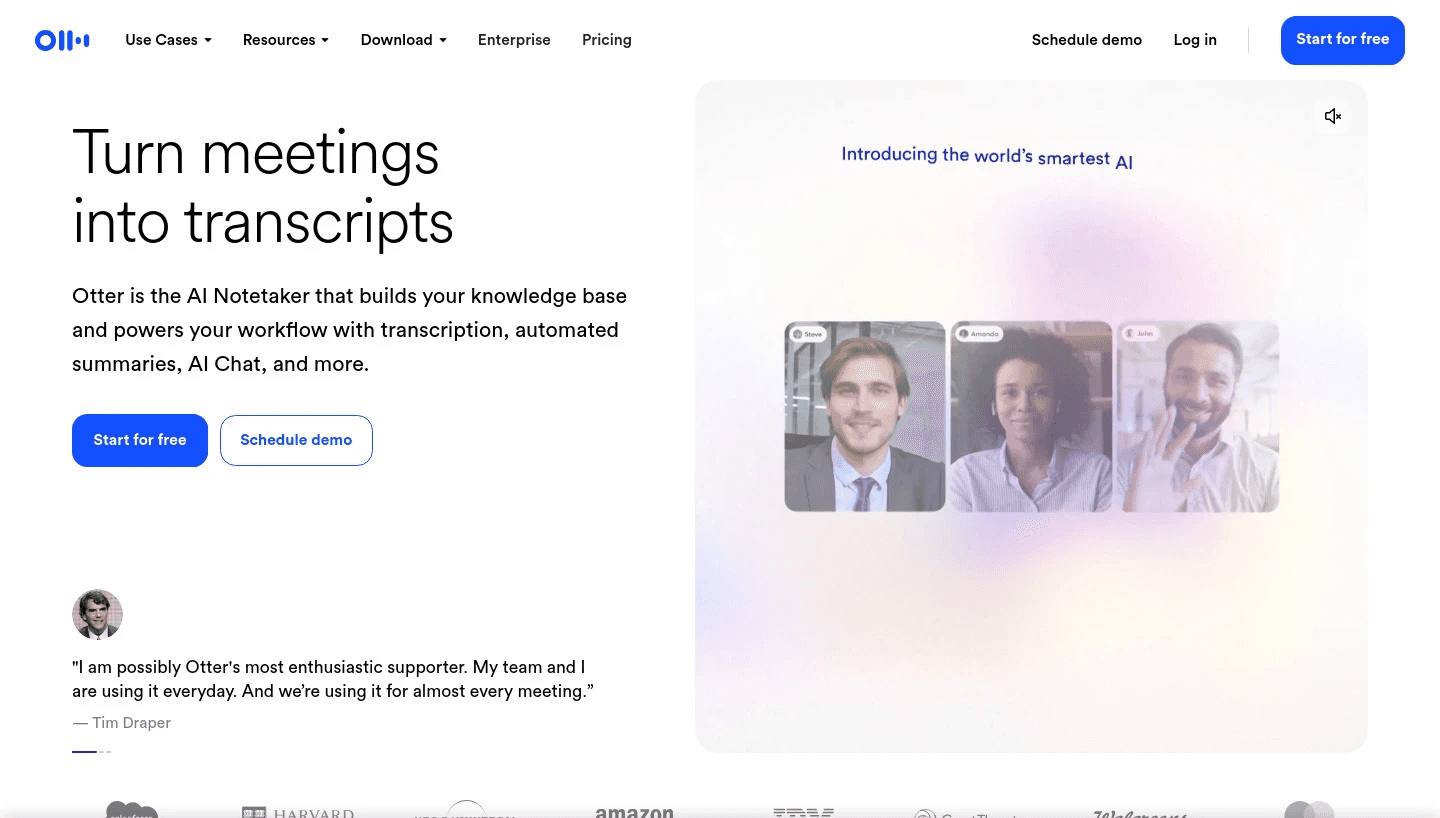
Best for: Agents who need meeting transcripts and shareable call notes
Otter.ai is better known for meetings than pure dictation. That makes it useful for insurance agencies that review team calls, client meetings, or training sessions.
If your main pain point is not typing but remembering what was said, Otter can help. If your pain point is fast system-wide writing, it is not the strongest option.
Pros:
Strong for meetings and transcripts
Easy to search old conversations
Helpful for team review and training
Cons:
Not the best tool for typing into every app
Better for captured conversations than quick CRM updates
Free plan is limited
Best use case: Sales managers, agency owners, or agents who want searchable call records and summaries.
4. Google Docs Voice Typing
Best for: Agents who want a free way to dictate scripts, letters, and longer drafts
Google Docs Voice Typing is simple and free. Open a doc, click the mic, and start talking.
It is handy for longer drafts like renewal templates, coverage explanations, and internal process notes. The catch is obvious. It mostly stays inside Google Docs.
Pros:
Free
Easy to try right away
Good for longer draft writing
Cons:
Not system-wide
Less useful for CRM fields and browser tools
You may still copy and paste a lot
Best use case: Agents who already write a lot in Google Workspace and want a no-cost starting point.
5. Apple Dictation
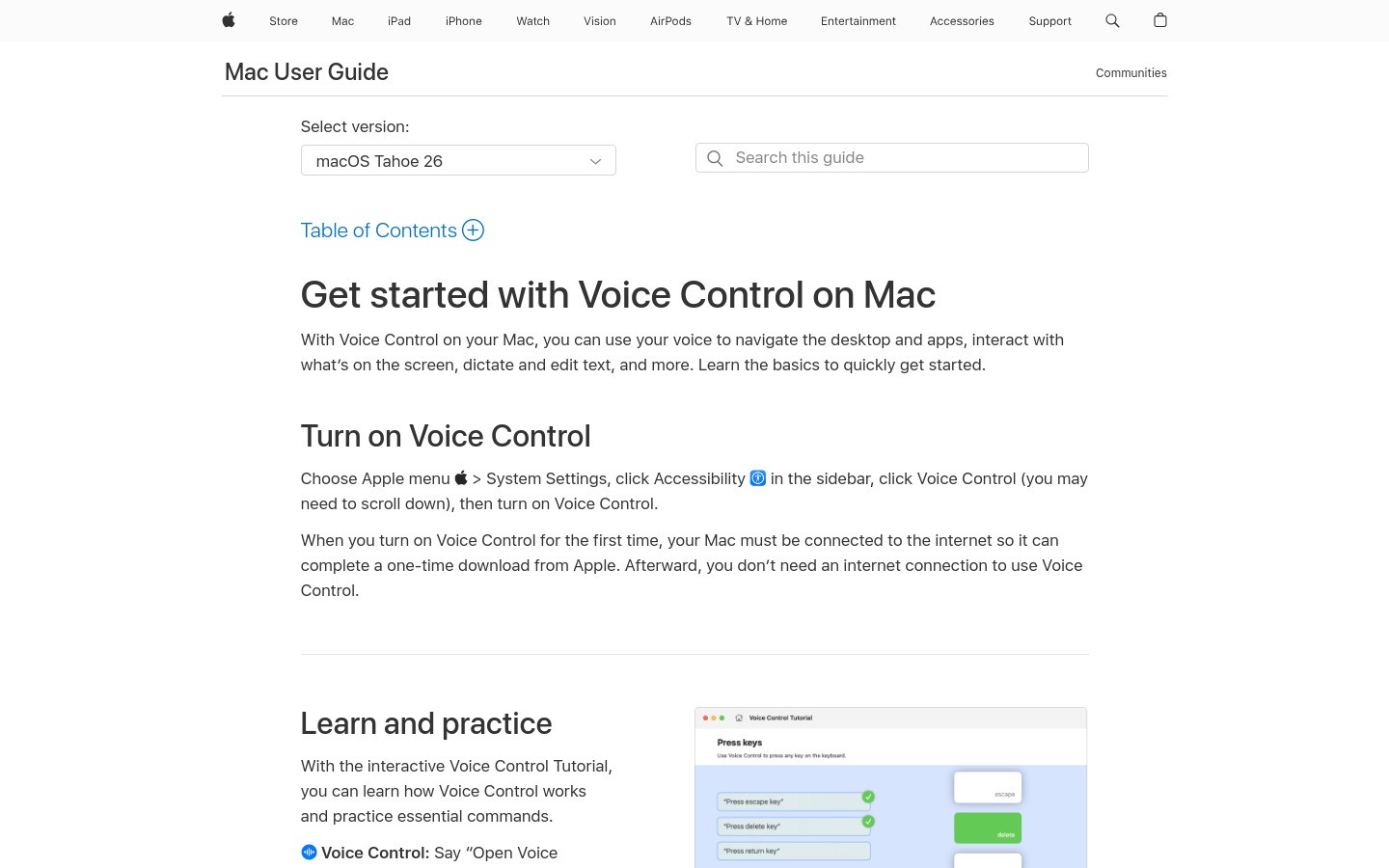
Best for: Solo agents on Mac who want built-in voice typing
Apple Dictation comes with the Mac, so there is nothing extra to buy. That makes it a fair option for solo agents who want to test voice typing without changing tools.
It is solid for quick notes and basic messages. It just does not give you the same flexibility or polish as a tool built mainly for dictation work.
Pros:
Built into macOS
No extra subscription
Easy for basic note taking
Cons:
Fewer advanced features
Less suited to heavier daily dictation
Mac only
Best use case: Mac users who want a free built-in option before trying a dedicated tool.
Quick comparison table
Tool | Best for | Works across apps | Starting price |
|---|---|---|---|
Voicy | Fast daily insurance admin | Yes | $8.49/month |
Dragon Professional | Heavy customization | Yes | High one-time cost |
Otter.ai | Meeting and call notes | Limited | Free tier |
Google Docs Voice Typing | Free long-form drafting | No | Free |
Apple Dictation | Built-in Mac voice typing | Basic | Free |
Which dictation software is best for insurance agents?
For most people, Voicy is the best dictation software for insurance agents because it fits the real job. Insurance work is messy. You are not just writing in one document. You are jumping between email, browser tabs, quote tools, and client records.
If you want the deepest customization and do not mind the higher price, Dragon can still make sense. If you mostly want meeting transcripts, Otter.ai is better. If you want free tools, start with Google Docs Voice Typing or Apple Dictation.
Tips for getting better results with dictation in insurance work
Dictate right after the call while details are still fresh
Use short sections like client need, coverage question, next step, and follow-up date
Keep a repeatable structure for claim notes and renewals
Speak numbers and names slowly when accuracy matters most
If you want more ways to speed up writing, check our guides to voice typing apps, speech to text in Google Docs, and speech to text on Mac.
Final verdict
The best dictation software for insurance agents should save time, not create more steps. That rules out a lot of tools that look good in demos but slow you down in real work.
Pick the tool that matches where you already write. If your day lives in many apps, start with Voicy. If you need heavy customization, look at Dragon Professional. If your focus is meetings, use Otter.ai.
That simple choice can shave real time off every day, and in insurance, that matters.


