



7 Best Software Tools for Occupational Therapists in 2026
Occupational therapists need more than one piece of software. Most OTs need a core system for scheduling, notes, billing, and patient communication. Then they usually need one or two smaller tools that make documentation and admin work less painful.
I looked at the current occupational therapy software SERP, checked product pages, and built a practical list. This is not just a pile of EHRs. It is a real OT software stack with a strong documentation and workflow angle.
Summary of the article
WebPT: best for rehab clinics that want a mature all in one platform with AI help for notes, billing, and front desk work.
Fusion by Ensora Health: best for multi therapist practices that want strong scheduling, reporting, and therapy specific workflows.
TheraPlatform: best for smaller OT practices that want telehealth, documentation, and a lower starting price.
HelloNote: best for OTs who want a simpler therapist focused EMR with built in billing and e-fax style admin tools.
SimplePractice: best for solo or small private practices that want a polished client experience and easy setup.
Voicy: best for faster admin writing, referral letters, follow ups, handouts, and notes that do not belong in a heavy EHR workflow.
Notion: best for team SOPs, onboarding docs, resource libraries, and non PHI internal workflows.
If your team already writes in docs and browsers all day, these Voicy pages are especially relevant: speech to text for Google Docs, Notion speech to text, speech to text Chrome extension, and dictation software for medical professionals.
How I picked these tools
The top ranking pages lean hard toward practice management software, which makes sense. OT clinics need scheduling, charting, billing, and patient communication in one place. But that is only part of the day. OTs also spend time writing referrals, home program instructions, emails, internal notes, and policy docs.
So I split this list across two layers. First, the core OT systems that run the clinic. Second, the workflow tools that save time around the clinic. One caution here: not every productivity tool should hold protected health information. If a tool touches PHI, check the compliance setup and BAA requirements before you roll it out.
Best occupational therapy software by category
1. WebPT, best overall OT software for established rehab practices
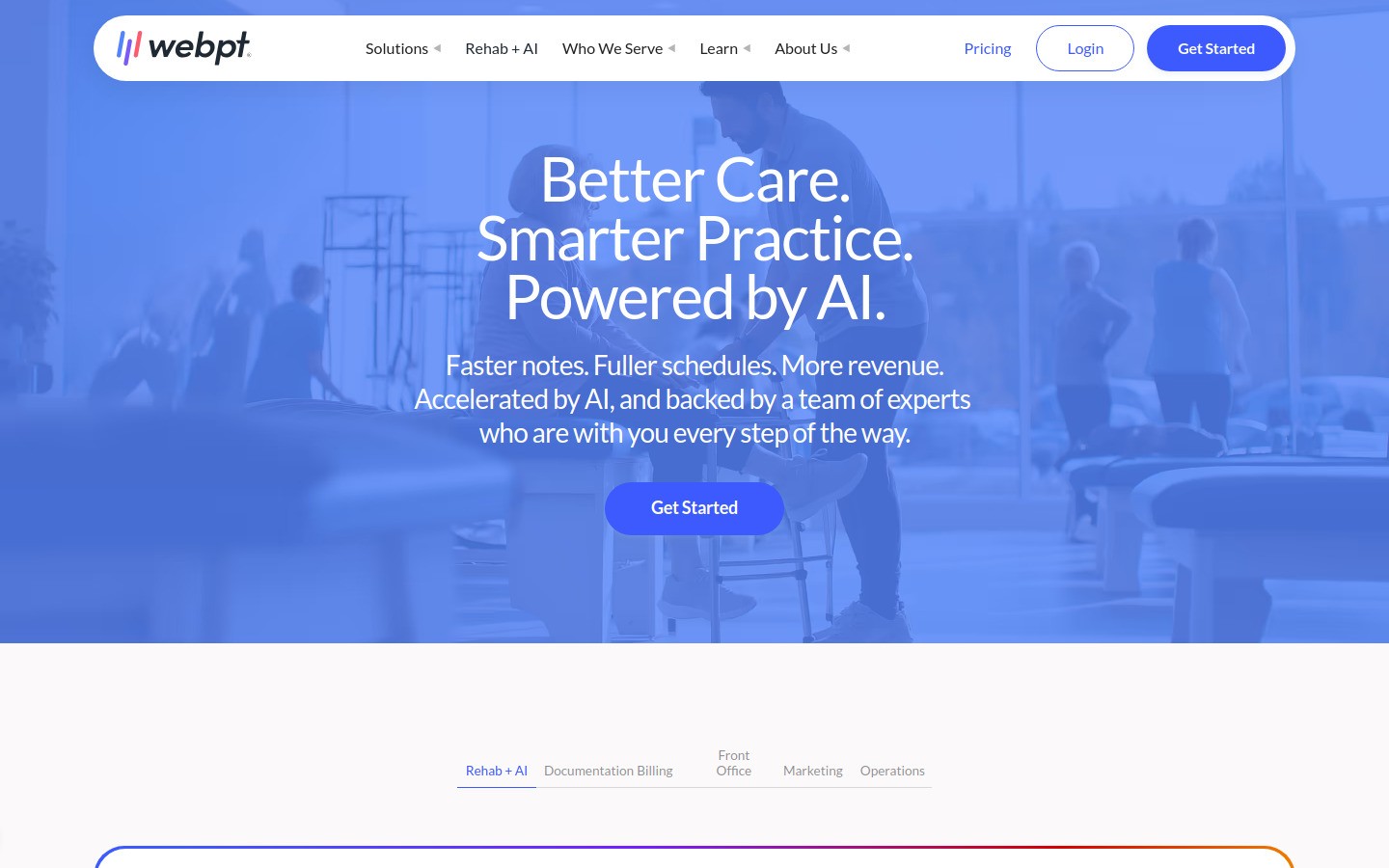
WebPT shows up all over the OT software SERP because it covers the whole practice stack. The company positions it around documentation, billing, front office efficiency, marketing, and AI powered workflows for rehab teams.
This is a strong fit if your clinic wants one system with real operational depth. The tradeoff is obvious too. It can be more system than a very small private practice needs.
Best for: established rehab clinics and multi provider teams
Strong points: rehab specific workflows, AI note support, billing tools, scheduling, intake
Downside: heavier setup and likely more complexity than a lean solo OT needs
2. Fusion by Ensora Health, best for busy therapy teams that need scheduling and reporting
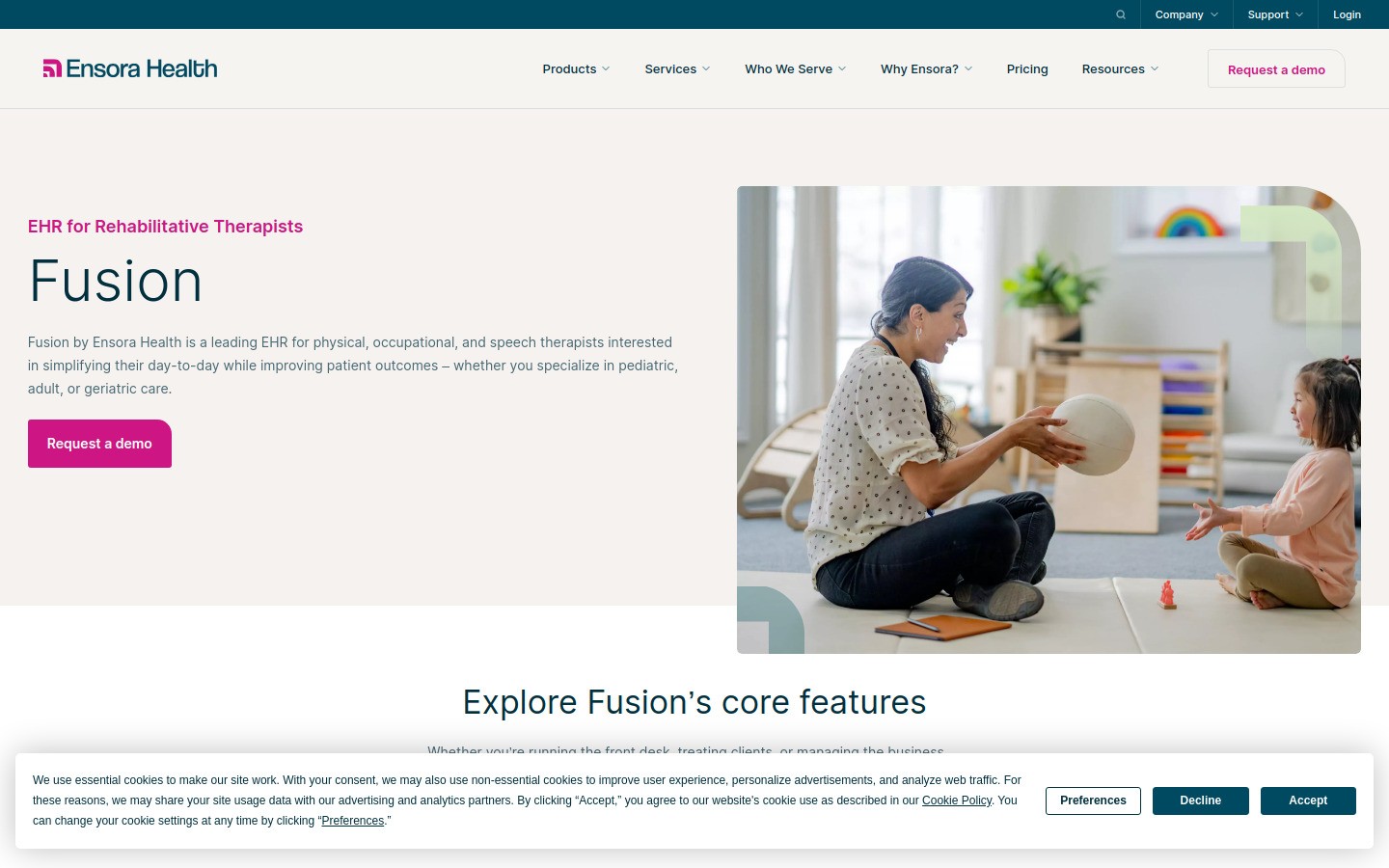
Fusion is built for physical, occupational, and speech therapy teams. Its pitch is simple: help the whole clinic get more done without stretching the day even longer.
I like Fusion most for practices that juggle more moving parts, like multiple therapists, changing schedules, waitlists, or authorizations. The built in AI session assistant and reporting layer make it feel closer to an operations tool than a basic charting app.
Best for: growing clinics, multi discipline practices, pediatric or adult OT teams
Strong points: scheduler, reporting, client portal, billing automation, therapy specific workflows
Downside: probably not the cheapest or simplest option for a one person practice
3. TheraPlatform, best budget conscious OT software with telehealth built in

TheraPlatform stands out because it covers the basics well and starts lower than many bigger OT platforms. Its OT page highlights documentation templates, scheduling, billing, telehealth, and optional AI features for note generation and voice dictation.
That makes it a good middle ground. You get real OT practice features without jumping straight into a heavier enterprise style system.
Best for: solo OTs, small clinics, telehealth heavy workflows
Strong points: telehealth, customizable templates, optional AI note tools, lower starting price
Downside: may feel lighter than the biggest rehab platforms if your operations are complex
4. HelloNote, best for simple therapist friendly documentation and billing
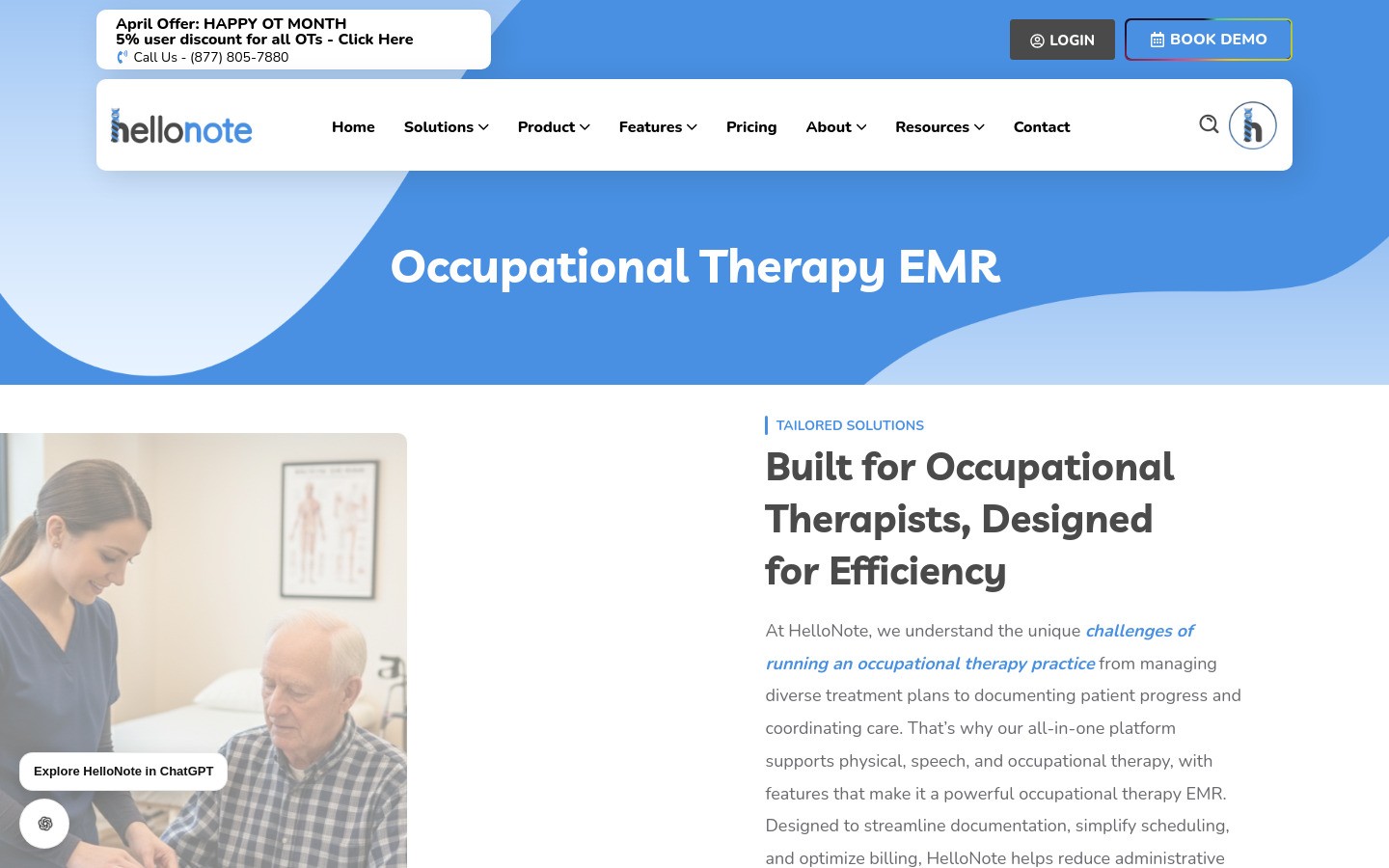
HelloNote is one of the better options for OTs who want software that feels built for therapists, not for a giant hospital IT department. The product page leans into OT specific templates, scheduling, billing, communication tools, and cloud access.
I would shortlist HelloNote if your main goal is to reduce friction. It does not try to sound flashy. It sounds like a product for people who want documentation to stop being a daily fight.
Best for: therapist owned practices that want simpler day to day workflows
Strong points: OT templates, billing, scheduling, integrated communication, cloud access
Downside: less brand recognition than WebPT or Fusion, so you need a hands on demo before choosing it
5. SimplePractice, best for solo or small private OT practices
SimplePractice is not OT only, but it stays popular because it is easier to start with than many rehab specific systems. Its site highlights telehealth, template libraries, insurance tools, and a 30 day free trial.
If you are a solo OT or a very small group, that ease matters. You may give up some therapy specific depth, but you gain a cleaner setup and a client friendly experience.
Best for: solo practitioners and small private practices
Strong points: easy onboarding, scheduling, telehealth, forms, insurance support
Downside: not as OT specific as the rehab first platforms above
6. Voicy, best for faster OT documentation around the EHR
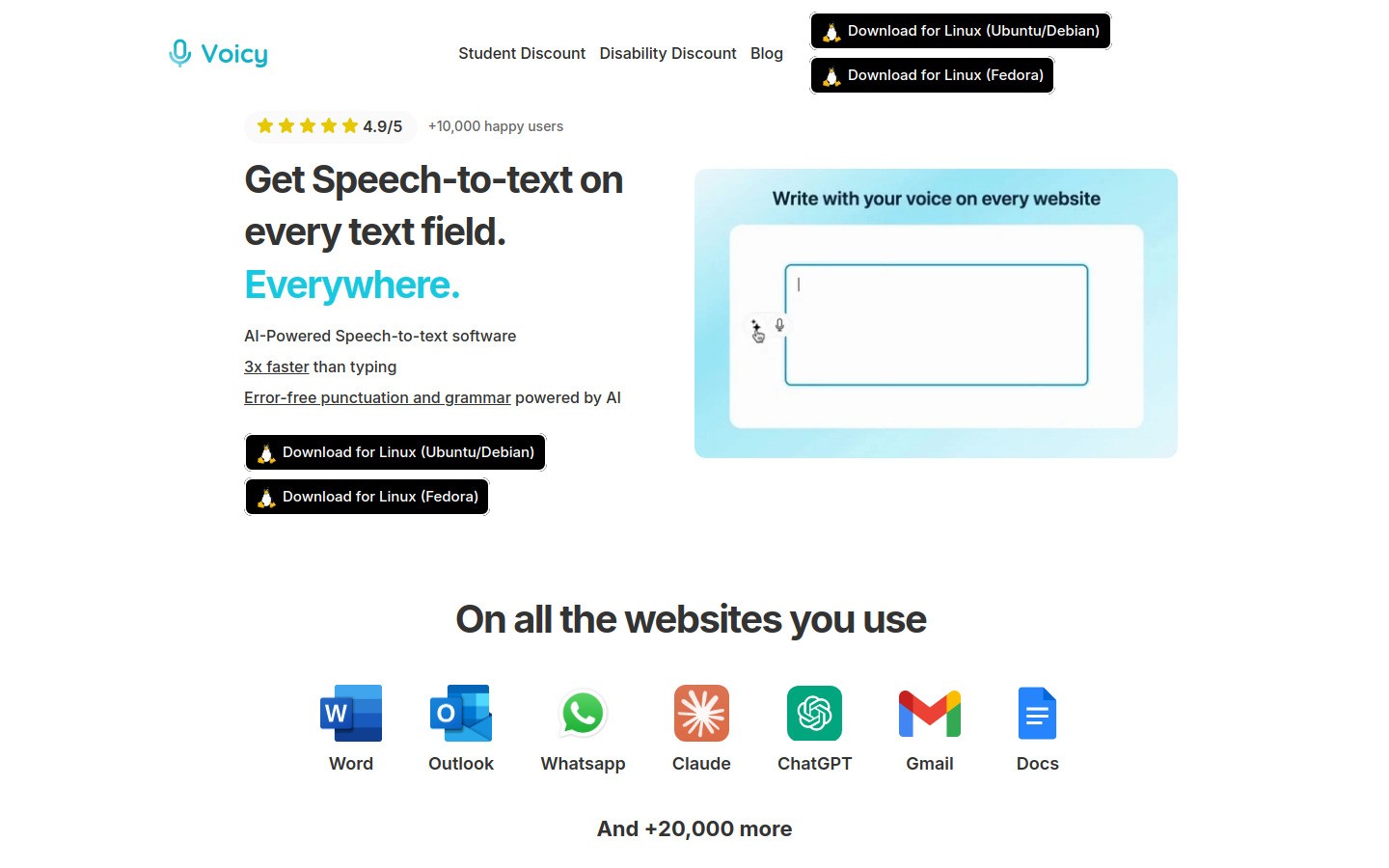
Voicy is the tool on this list I would add after you pick your core practice system. It is not trying to replace an OT EMR. It helps with the writing that spills outside the chart: referral letters, home program instructions, school communication, follow up emails, summaries, internal docs, and rough note drafts.
Voicy works on Mac, Windows, and as a Browser Extension. Pricing is $8.49 per month, $82 per year, or $260 lifetime, and there is a free trial. It is cloud based, not local only. That makes it a lighter, cheaper test than switching your whole practice system.
Best for: admin writing, handouts, letters, summaries, and cross app voice typing
Strong points: works across apps, fast dictation, useful in browser based workflows
Downside: it is a writing layer, not a full OT practice management system
If you want the OT specific speech to text angle, start with dictation software for medical professionals. If your team writes in browser tools all day, the best feeder paths are Google Docs speech to text, speech to text Chrome extension, and Notion speech to text.
7. Notion, best for OT SOPs and internal knowledge
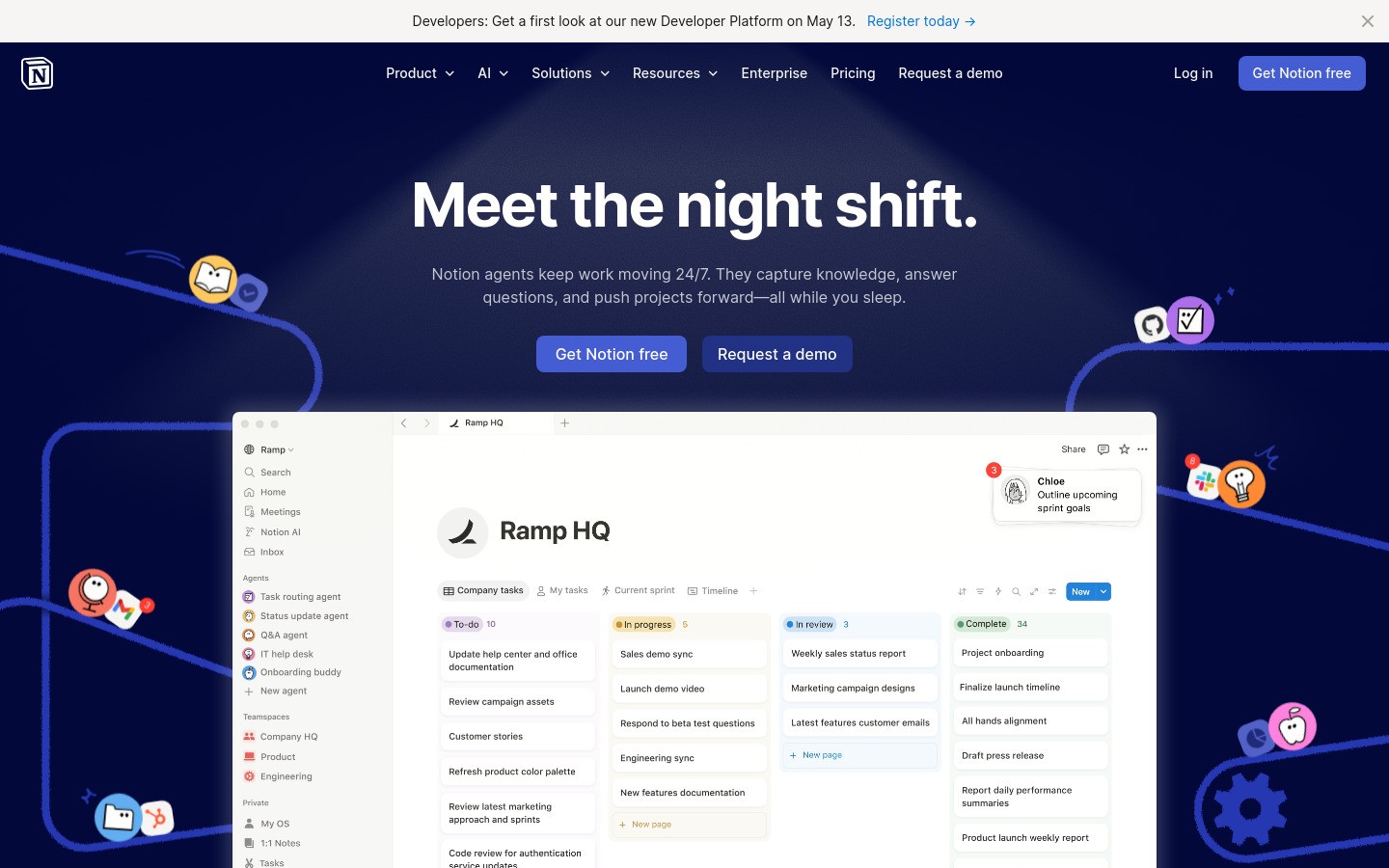
Notion is not where I would keep patient records. It is where I would keep almost everything else. Think onboarding checklists, clinic SOPs, supply lists, school program docs, caregiver resource libraries, hiring notes, and internal project work.
This is the kind of tool that helps once a practice is old enough to feel messy. Just give it structure early or it turns into a junk drawer.
Best for: non PHI docs, SOPs, team knowledge, internal workflows
Strong points: flexible docs, databases, resource hubs, project tracking
Downside: can become disorganized fast if nobody owns the structure
Quick comparison table
Tool | Best for | Type | Main tradeoff |
|---|---|---|---|
WebPT | Established rehab clinics | All in one rehab platform | Can feel heavy for very small practices |
Fusion | Growing therapy teams | EHR plus scheduling and billing | Likely more than a solo OT needs |
TheraPlatform | Small clinics and telehealth | Practice management plus telehealth | Lighter than the largest rehab suites |
HelloNote | Simpler therapist workflows | EMR and billing | Needs a close demo before purchase |
SimplePractice | Solo and small private practice | General EHR | Less OT specific depth |
Voicy | Writing faster across apps | Speech to text workflow layer | Not a full clinical system |
Notion | Internal docs and SOPs | Workspace and knowledge base | Not for patient charts |
A simple software stack for most occupational therapists
Most OTs do not need seven new subscriptions. A sane stack usually looks like this:
Core clinic system: WebPT, Fusion, TheraPlatform, HelloNote, or SimplePractice
Writing layer: Voicy for faster summaries, letters, handouts, and admin work
Internal operations layer: Notion for SOPs and team knowledge, if your practice is big enough to need it
If I had to make one practical recommendation, it would be this. Pick the core system that best matches the size of your practice. Then add a writing tool only if documentation and admin are still eating your evenings.
FAQ
What is the best software for occupational therapists?
For many established rehab clinics, WebPT or Fusion make the most sense because they cover scheduling, documentation, billing, and reporting. For smaller practices, TheraPlatform, HelloNote, or SimplePractice can be easier to live with.
Do occupational therapists need dictation software too?
Often, yes. Many OT tasks happen outside the formal chart, like emails, referral letters, handouts, and team notes. That is where a tool like Voicy can help without forcing an EHR migration.
Is Notion good for occupational therapists?
Yes, for internal workflows. It is useful for SOPs, onboarding docs, supply systems, and knowledge bases. I would not treat it as a replacement for a compliant patient record system.
How should a small OT private practice choose software?
Start with the main pain point. If scheduling and billing are the problem, choose the core practice system first. If your charting is fine but the surrounding writing work is slow, add a speech to text tool after that.
Final verdict
The best software tools for occupational therapists are usually not one giant platform and nothing else. The better setup is a small stack that handles patient care, admin, and documentation without making your workday heavier.
If you want the safest starting point, choose one core OT system first. Then add Voicy if typing and follow up writing still eat too much time. It is the easiest upgrade on this list to test in a real workflow, because you can try it without rebuilding the whole clinic.


