



7 Best Apple Dictation Alternatives for Mac and iPhone in 2026
TL;DR
Best overall: Voicy, everyday dictation plus file transcription across devices.
Superwhisper: Superwhisper, local and cloud Mac dictation with custom modes.
Wispr Flow: Wispr Flow, polished AI dictation across desktop and mobile.
Monologue: Monologue, Apple-first dictation, notes, meeting notes, and Apple Watch capture.
Spokenly: Spokenly, local dictation, bring-your-own API keys, Linux support, and privacy controls.
Gboard / Google Voice Typing: Gboard / Google Voice Typing, free mobile voice typing and Google Docs voice typing.
SwiftKey Voice Typing: SwiftKey Voice Typing, mobile dictation inside Microsoft's keyboard.
Answer first: Apple Dictation is the best free starting point on Apple devices. Voicy is the better alternative when you want cleaner daily dictation across Mac, Windows, browser fields, iOS, Android, and uploaded audio files.
Apple Dictation is the built-in starting point, but it gets thin once you need better punctuation cleanup, app-to-app workflow, Windows or Android coverage, and uploaded-file transcription.
Apple Dictation alternatives compared
Tool | Best for | Platforms | Pricing | Main tradeoff |
|---|---|---|---|---|
everyday dictation plus file transcription across devices | Mac, Windows, browser extension, iOS, and Android | $8.49/month, $82/year, or $260 lifetime, with a free trial | Cloud processing means it is not the right fit for fully local-only rules. | |
local and cloud Mac dictation with custom modes | Mac, Windows, iPhone, and iPad | free limited access, monthly, annual, and lifetime options | More Mac and model-control focused than broad everyday cross-platform writing. | |
polished AI dictation across desktop and mobile | Mac, Windows, iPhone, and Android | free Basic tier and paid Pro plan | Higher monthly cost than Voicy and weaker fit if uploaded-file transcription matters. | |
Apple-first dictation, notes, meeting notes, and Apple Watch capture | Mac, iPhone, iPad, and Apple Watch | free trial, then paid Pro plans | Apple-first focus makes it less useful for Windows, Android, and browser-extension buyers. | |
local dictation, bring-your-own API keys, Linux support, and privacy controls | macOS, iOS, Windows, and Linux | local and bring-your-own-key options plus paid Pro plans | More technical model choices can be a feature or a chore, depending on the user. | |
free mobile voice typing and Google Docs voice typing | Android, iPhone, iPad, Google Docs, and Google Slides depending on the feature | included with Google's keyboard and document tools | Great as a built-in option, but fragmented across mobile keyboard and Docs workflows. | |
mobile dictation inside Microsoft's keyboard | Android and iOS keyboard workflows | free app | Mobile keyboard dictation, not a complete writing workflow. |
1. Voicy
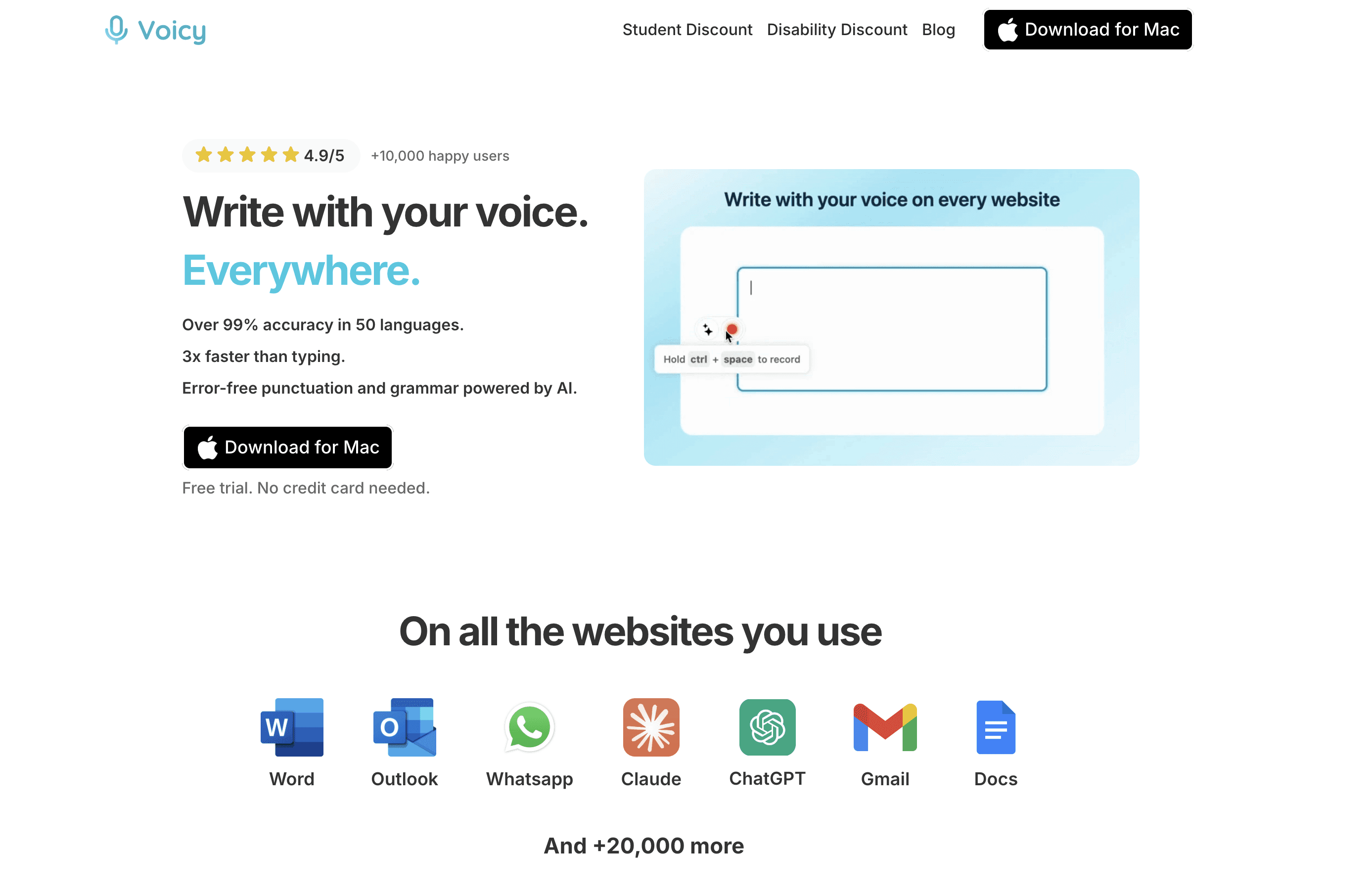
Voicy is the best upgrade when you want voice typing to work where you already write. It handles live dictation, AI cleanup, and uploaded audio files, so it fits emails, docs, messages, notes, prompts, and recorded material without forcing you into one editor.
Best for: everyday dictation plus file transcription across devices.
Platforms: Mac, Windows, browser extension, iOS, and Android.
Pricing: $8.49/month, $82/year, or $260 lifetime, with a free trial.
Main tradeoff: Cloud processing means it is not the right fit for fully local-only rules.
2. Superwhisper
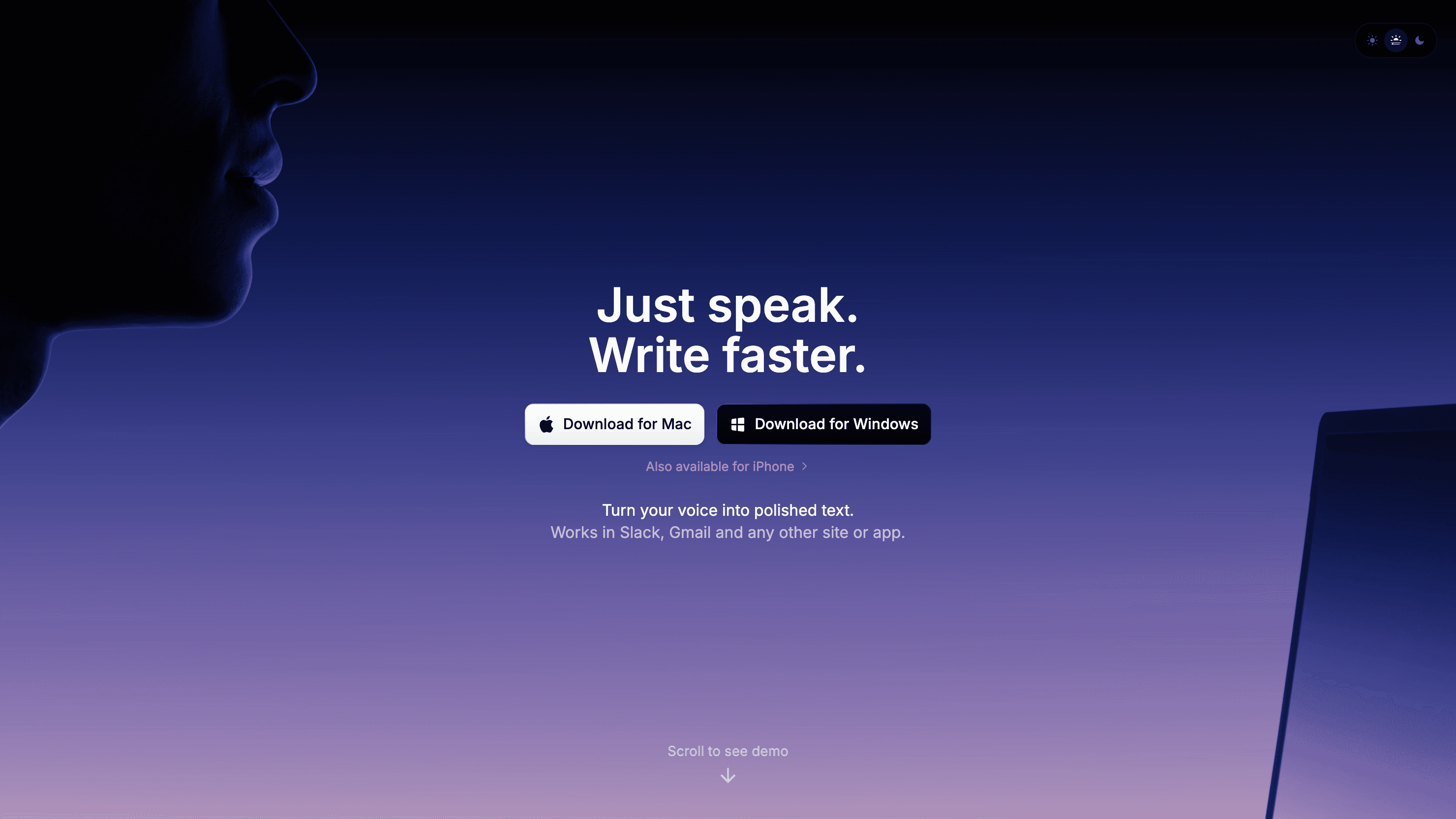
Superwhisper is a good choice when privacy, local models, and custom modes matter. It is less of a simple everyday pick for people who want one voice writing app across desktop, browser, and mobile.
Best for: local and cloud Mac dictation with custom modes.
Platforms: Mac, Windows, iPhone, and iPad.
Pricing: free limited access, monthly, annual, and lifetime options.
Main tradeoff: More Mac and model-control focused than broad everyday cross-platform writing.
3. Wispr Flow
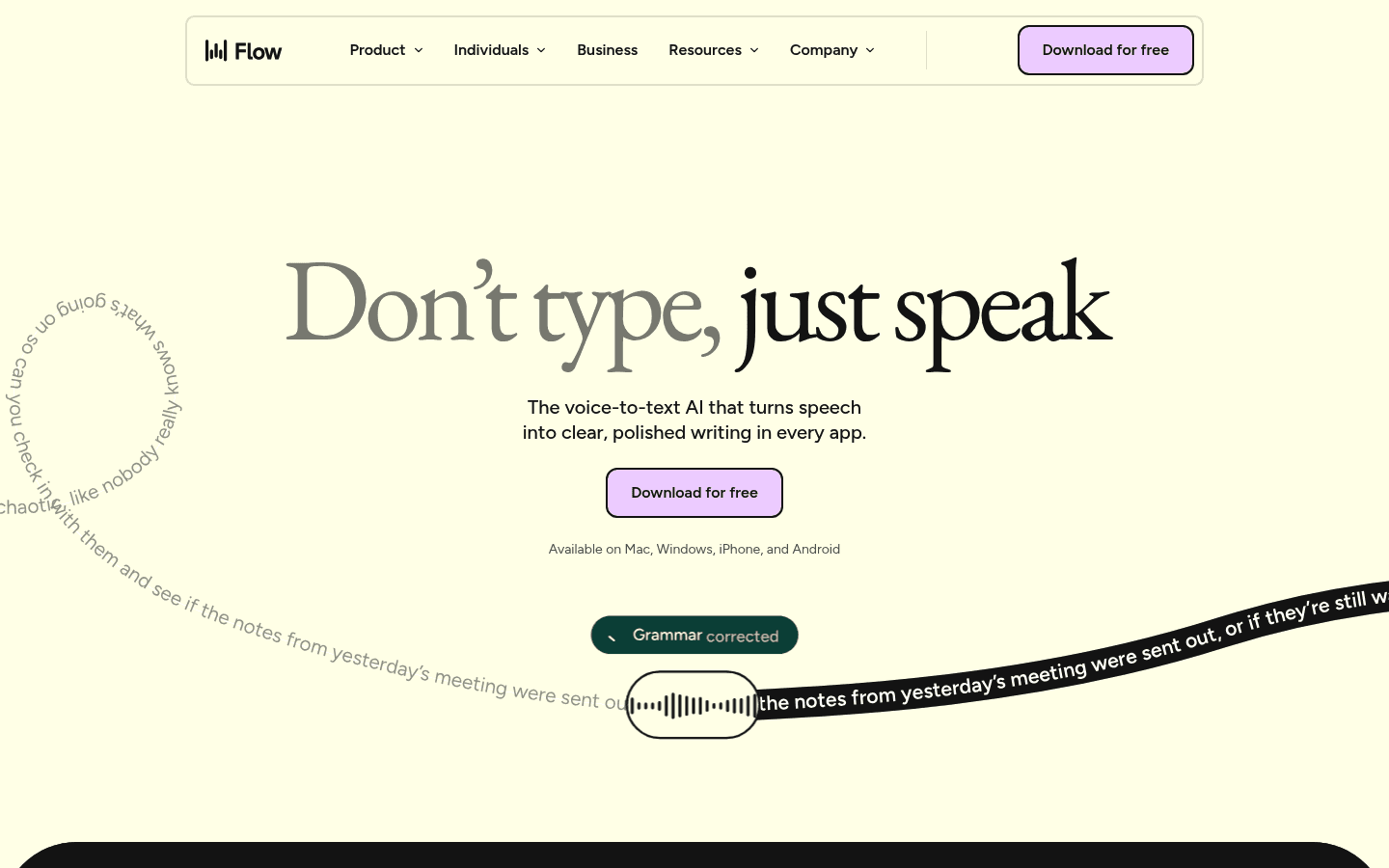
Wispr Flow is a polished alternative if you like managed AI dictation and a refined interface. It is a serious option, especially for people who want Mac and mobile coverage, but it can cost more over time.
Best for: polished AI dictation across desktop and mobile.
Platforms: Mac, Windows, iPhone, and Android.
Pricing: free Basic tier and paid Pro plan.
Main tradeoff: Higher monthly cost than Voicy and weaker fit if uploaded-file transcription matters.
4. Monologue
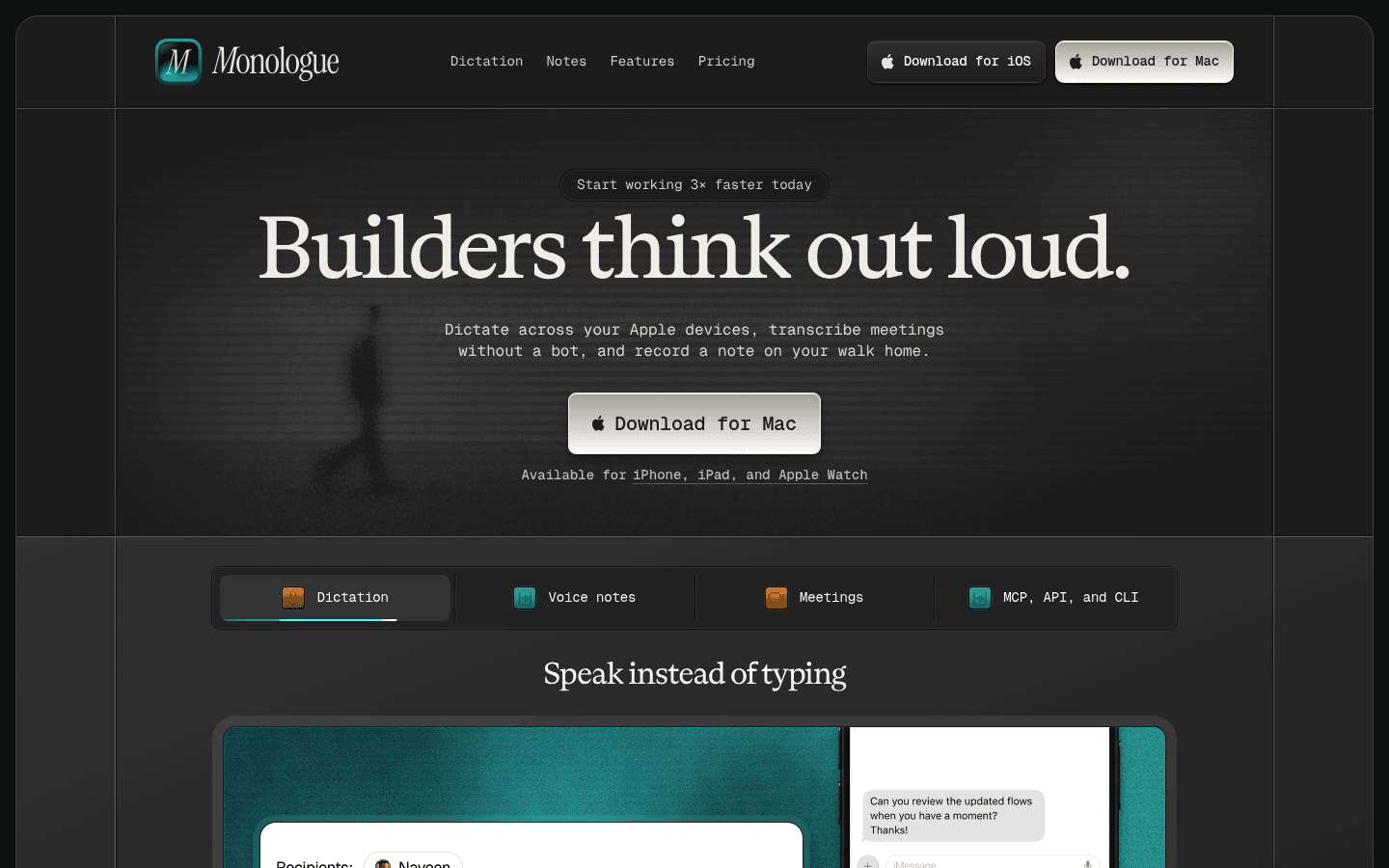
Monologue makes sense if you live inside Apple's ecosystem and want dictation, notes, meeting notes, and Apple Watch capture in one workflow. The catch is reach: it feels natural on Apple devices, but gets awkward if your day also includes Windows, Android, Chrome fields, or uploaded recordings.
Best for: Apple-first dictation, notes, meeting notes, and Apple Watch capture.
Platforms: Mac, iPhone, iPad, and Apple Watch.
Pricing: free trial, then paid Pro plans.
Main tradeoff: Apple-first focus makes it less useful for Windows, Android, and browser-extension buyers.
5. Spokenly
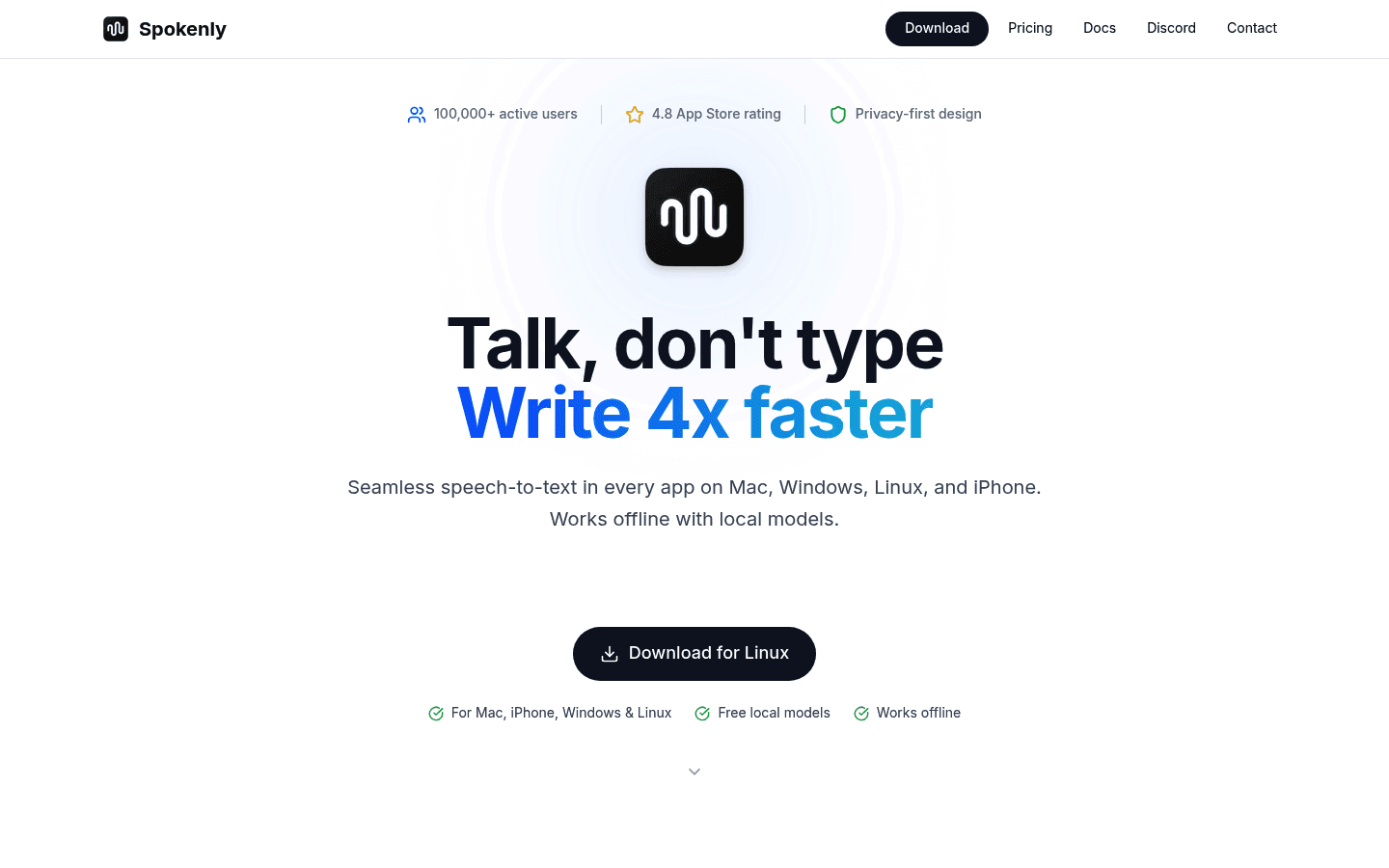
Spokenly is best for people who actually want to pick models, manage keys, and run a more technical setup. If that sounds tiring, Voicy is the calmer daily-driver choice.
Best for: local dictation, bring-your-own API keys, Linux support, and privacy controls.
Platforms: macOS, iOS, Windows, and Linux.
Pricing: local and bring-your-own-key options plus paid Pro plans.
Main tradeoff: More technical model choices can be a feature or a chore, depending on the user.
6. Gboard / Google Voice Typing
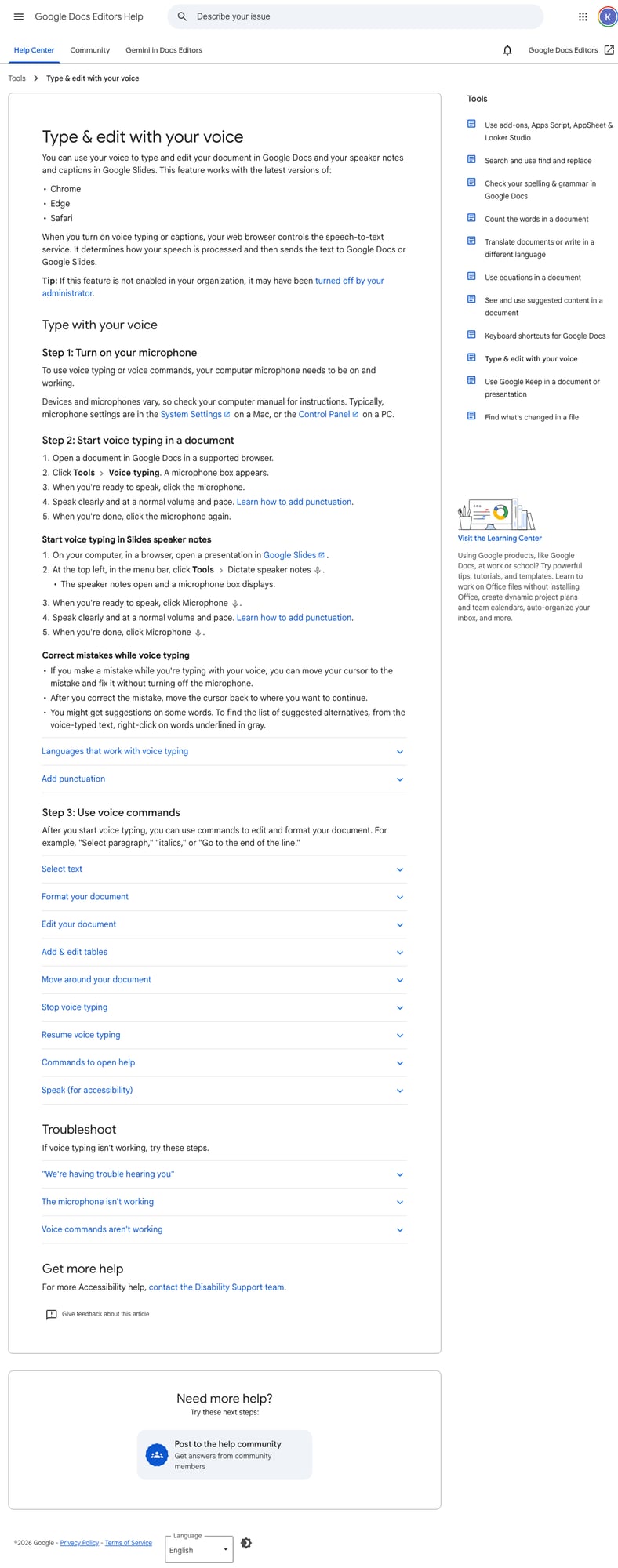
Gboard is useful when the job is quick phone dictation: tap the microphone, speak, then fix the rough edges. It gets weaker when your work moves to desktop apps, browser forms, long documents, or uploaded recordings.
Best for: free mobile voice typing and Google Docs voice typing.
Platforms: Android, iPhone, iPad, Google Docs, and Google Slides depending on the feature.
Pricing: included with Google's keyboard and document tools.
Main tradeoff: Great as a built-in option, but fragmented across mobile keyboard and Docs workflows.
7. SwiftKey Voice Typing
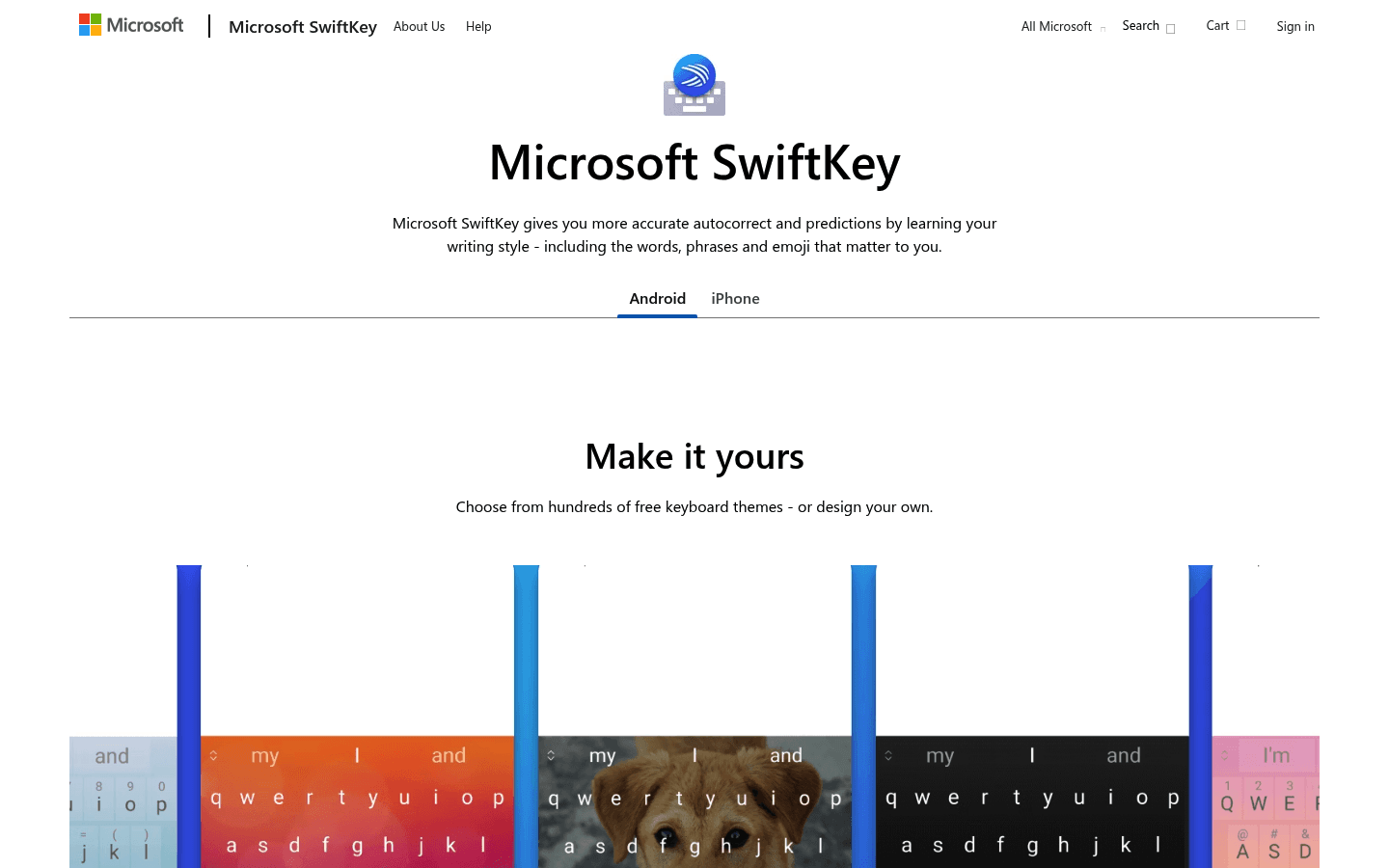
SwiftKey Voice Typing makes sense when you like Microsoft's keyboard predictions and want a built-in phone dictation option. It is not built for desktop writing, browser extension dictation, or uploaded audio files.
Best for: mobile dictation inside Microsoft's keyboard.
Platforms: Android and iOS keyboard workflows.
Pricing: free app.
Main tradeoff: Mobile keyboard dictation, not a complete writing workflow.
How to choose
Start with the work you actually do every day. If you only need short notes inside one device, a built-in tool may be enough. If you write emails, docs, messages, prompts, and browser forms all day, choose a dictation app that follows your cursor across apps.
The practical test is simple: dictate one email, one long note, one browser form, and one saved audio file. The tool that handles all four with the least cleanup is the one you will actually keep using.
Related guides
Frequently asked questions
What is the best Apple Dictation alternative?
For most daily writing workflows, Voicy is the best Apple Dictation alternative because it works across more places you actually type and also supports uploaded-file transcription. Apple Dictation may still be better if your main need is free built-in dictation on Apple devices.
Is Apple Dictation free?
Yes. Apple Dictation is included with supported Apple devices. The tradeoff is lighter AI cleanup, no Windows or Android path, and a weaker uploaded-file workflow.
Should I switch from Apple Dictation to Voicy?
Switch if your main problem is daily writing across apps, browser fields, mobile, and audio files. Stay with Apple Dictation if its narrower workflow already solves your main job.
Which Apple Dictation alternative is best for privacy?
Choose a local-first tool like Superwhisper or Spokenly when fully local processing is required. Choose Voicy when cloud processing is acceptable and you want broader workflow coverage.
Can Voicy transcribe uploaded audio files?
Yes. Voicy supports uploaded-file transcription as well as live dictation. That is one of the main reasons it belongs on this alternatives shortlist.
Does Voicy have a free plan?
Voicy has a free trial only. It is not a fully free app. Paid plans are $8.49/month, $82/year, or $260 lifetime.


