



The best software tools for speech therapists help with scheduling, notes, billing, progress tracking, home practice, and the writing work that spills past the therapy session. If you are searching for the best software tools for speech therapists, most rankings push you straight into EMRs. That is useful, but incomplete.
I reviewed the current speech therapy software search results and vendor pages, then built a more practical stack. Some of these tools run the clinic. Others help speech therapists finish documentation, school reporting, and admin work faster.
Summary of the article
WebPT: best for established speech therapy clinics that want a rehab focused all in one platform.
TheraPlatform: best for small private practices that want scheduling, telehealth, documentation, and a lower starting price.
ClinicSource: best for speech therapists who want deep SLP specific templates and goal libraries.
SimplePractice: best for solo or small SLP practices that want an easier setup.
SLP Toolkit: best for school based SLPs who need progress monitoring, caseload tracking, and IEP support.
Voicy: best for faster dictation, follow up writing, and cross app documentation support.
Notion: best for SOPs, material libraries, and non PHI team knowledge.
If your workflow already lives in browser tools, these Voicy pages are the most relevant next clicks: speech to text for Google Docs, Notion speech to text, speech to text Chrome extension, and dictation software for medical professionals.
How I picked these tools
The current search results lean hard toward speech therapy EMR and practice management platforms. That makes sense. Private practices need scheduling, intake, charting, billing, and telehealth in one place. But speech therapists also spend a lot of time writing IEP notes, progress summaries, caregiver emails, handouts, referral updates, and internal docs.
So this list covers two layers. First, the core systems that run patient care and admin. Second, the support tools that make the rest of the workday easier. One caution: not every tool on this list should store protected health information in every setup. If a tool touches PHI, confirm the security and compliance setup you need before rollout.
Best speech therapy software by category
1. WebPT, best overall for established speech therapy clinics
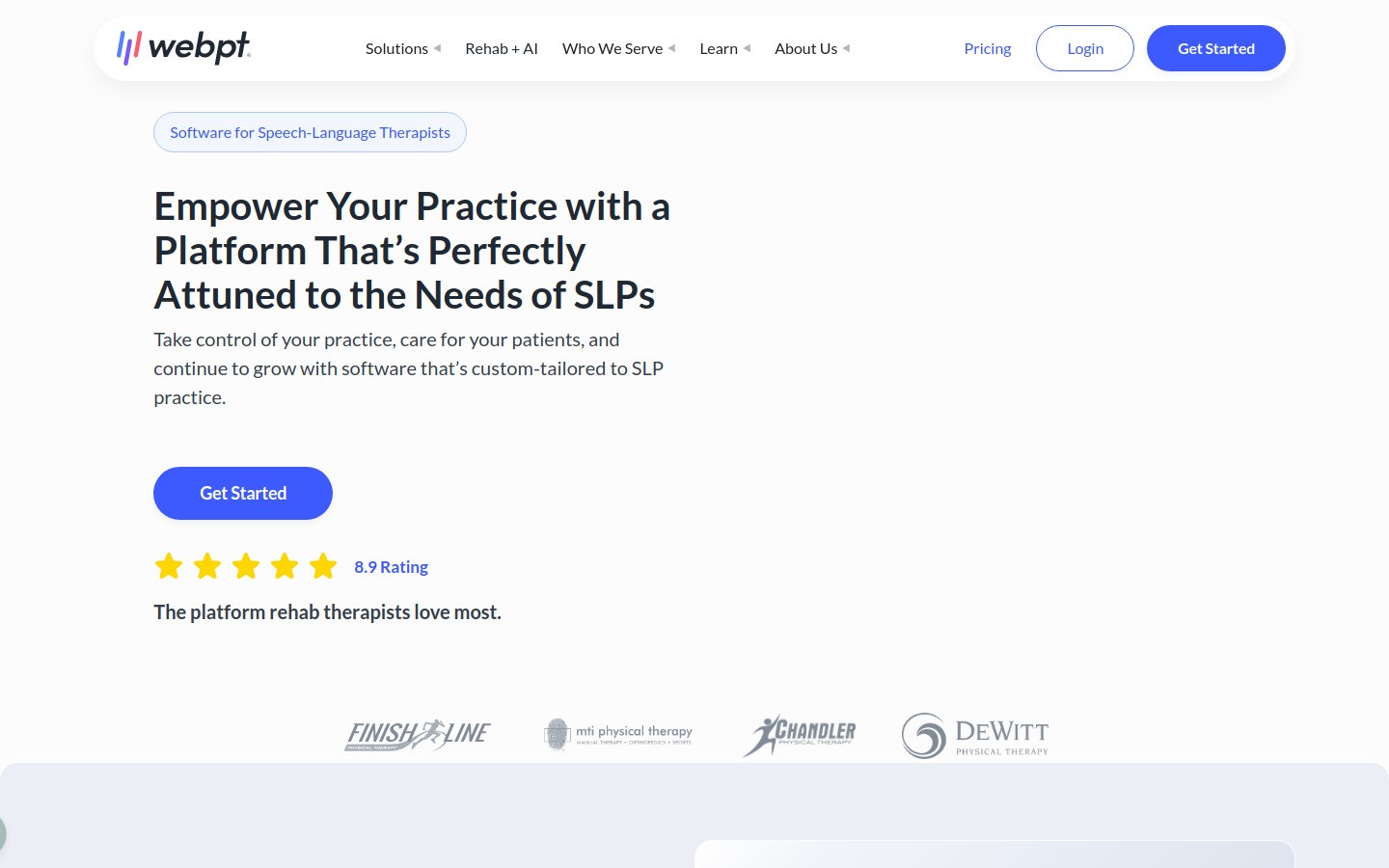
WebPT is one of the strongest matches for the core commercial intent behind this keyword. Its SLP page leans into rehab workflows, speech specific templates, billing support, Medicare tracking, and pediatric integration.
I like it most for clinics that want one serious operating system for the practice. The tradeoff is that it can be more platform than a very small private practice needs.
Best for: established rehab clinics and multi provider speech therapy teams
Strong points: rehab specific workflows, documentation support, billing, front office depth
Downside: likely heavier and more complex than a solo SLP needs
2. TheraPlatform, best for small private practices and teletherapy
TheraPlatform shows up often because it covers the basics well: scheduling, forms, billing, telehealth, therapy notes, client portal, and speech therapy apps. Its speech therapy page also highlights documentation help and optional AI features.
This is a good middle ground if you want a real practice platform without jumping straight into a bulky rehab suite. It is especially appealing for solo providers and telehealth heavy setups.
Best for: solo SLPs, small clinics, teletherapy first workflows
Strong points: telehealth, customizable templates, client portal, lower starting price
Downside: may feel lighter than bigger clinic systems if your operations get complex
3. ClinicSource, best for SLP specific templates and goal tracking
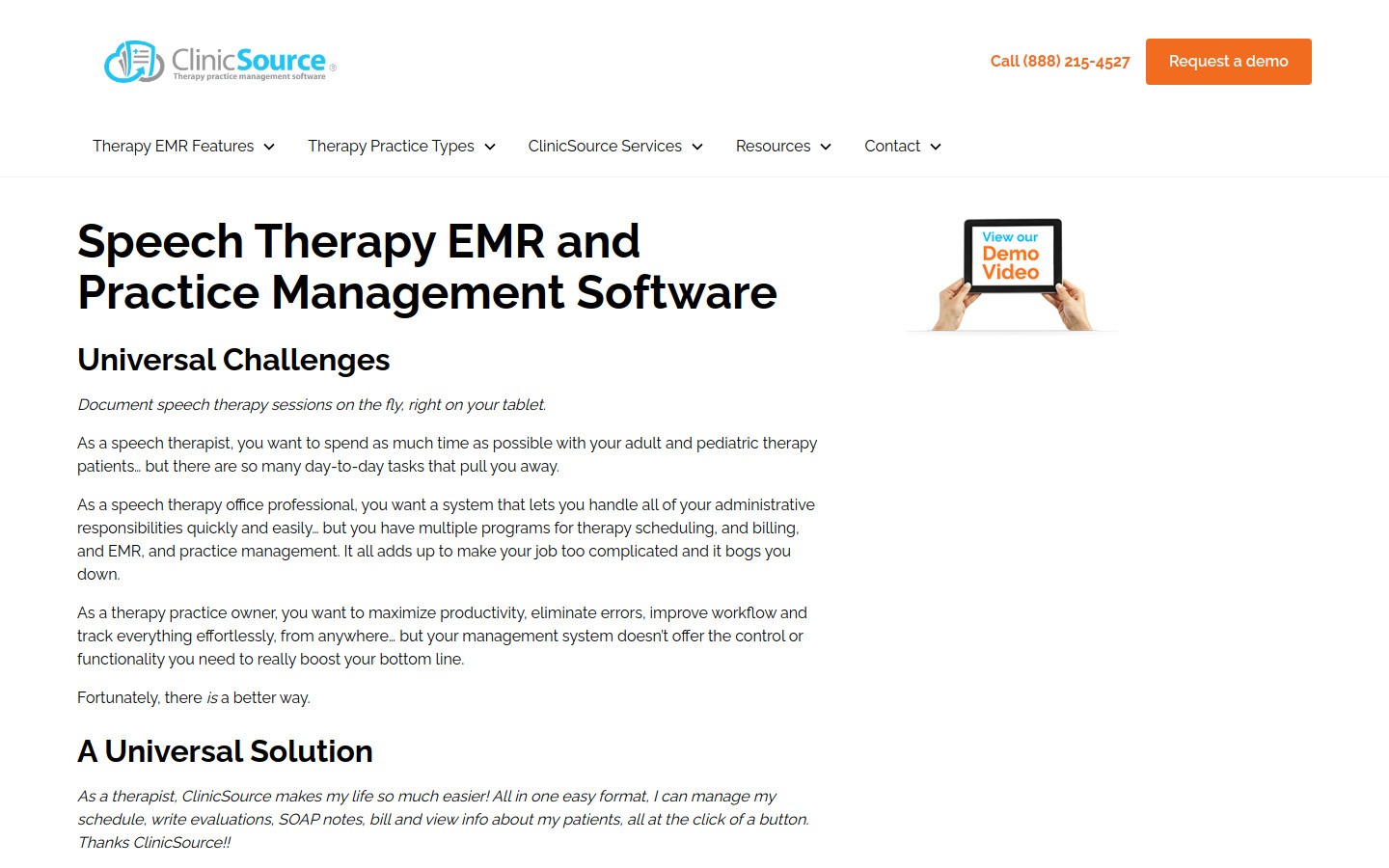
ClinicSource is more SLP specific than many generic practice tools. Its speech therapy page goes deep on speech therapy SOAP notes, discipline specific options, evaluation templates, standardized assessment support, and a goal library built around speech therapy work.
That makes it worth a serious look if your daily pain is documentation detail, not just scheduling. The main tradeoff is that it looks and feels more like a specialized clinical system than a polished modern workspace.
Best for: speech therapists who want strong built in SLP documentation structure
Strong points: speech specific templates, assessment support, goal libraries, billing and scheduling
Downside: the product feels more functional than sleek, so a live demo matters
4. SimplePractice, best for solo and small SLP practices that want easy setup
SimplePractice stays relevant because many therapists want software that is easier to start with. The speech language pathologist page positions it as an all in one private practice system with scheduling, telehealth, billing, and client management.
You give up some speech specific depth compared with heavier rehab tools. In return, you get an easier ramp and a cleaner client facing experience.
Best for: solo practitioners and very small private practices
Strong points: easier onboarding, telehealth, scheduling, client portal, broad familiarity
Downside: not as speech specific as WebPT or ClinicSource
5. SLP Toolkit, best for school based SLP data and reporting
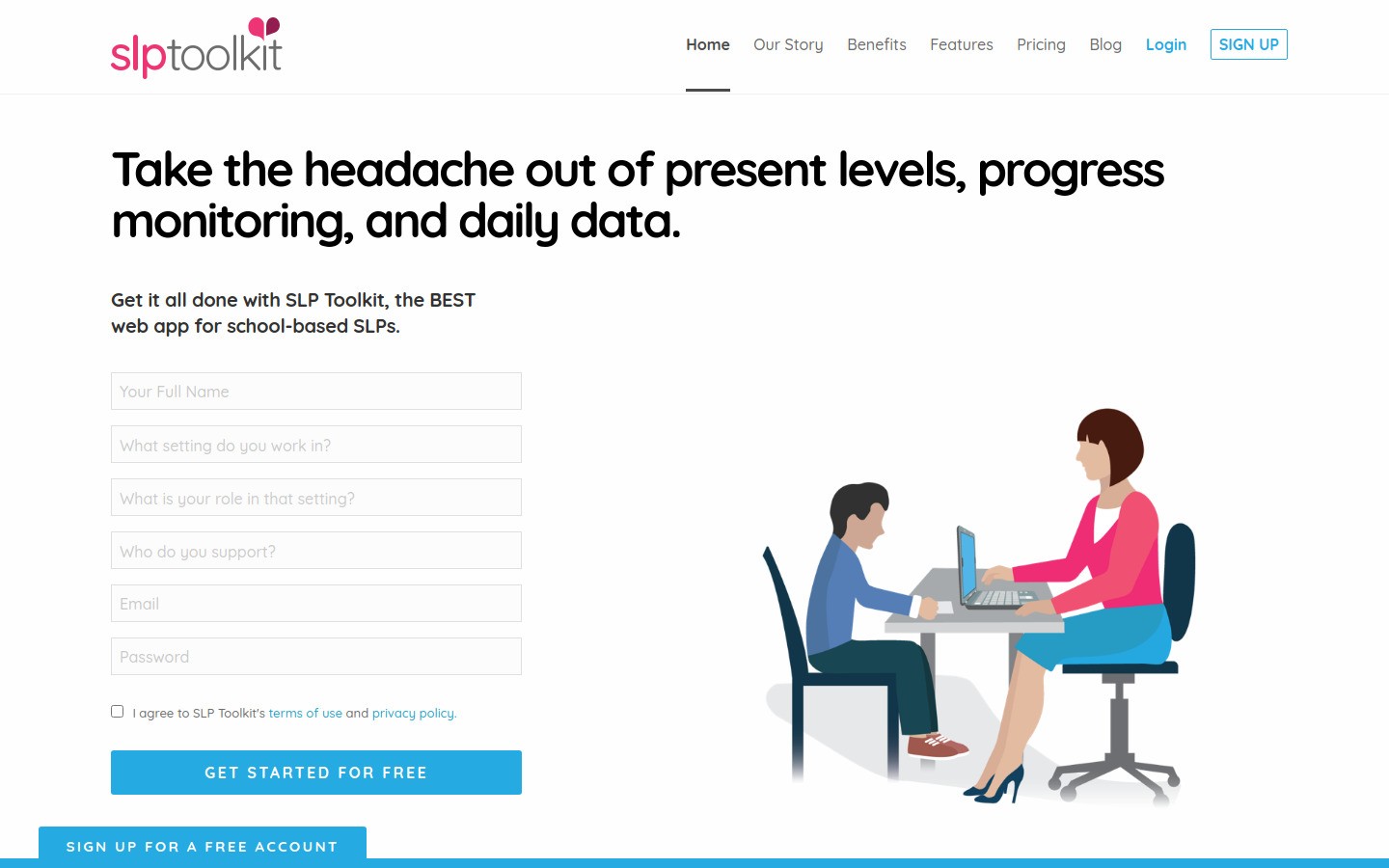
SLP Toolkit fills a different need from the EMR tools above. It is built for school based SLPs who need progress monitoring, daily data collection, caseload scheduling, accommodations, and faster reporting tied to student goals.
This is why it belongs in a broader software tools list. If you work in schools, it may solve a more urgent problem than a clinic billing suite. If you run a private practice, though, it is probably too narrow to be your main system.
Best for: school based speech-language pathologists
Strong points: progress reports, student goal tracking, attendance, schedule support
Downside: much less relevant for private practice billing and patient management
6. Voicy, best for faster writing around the main system
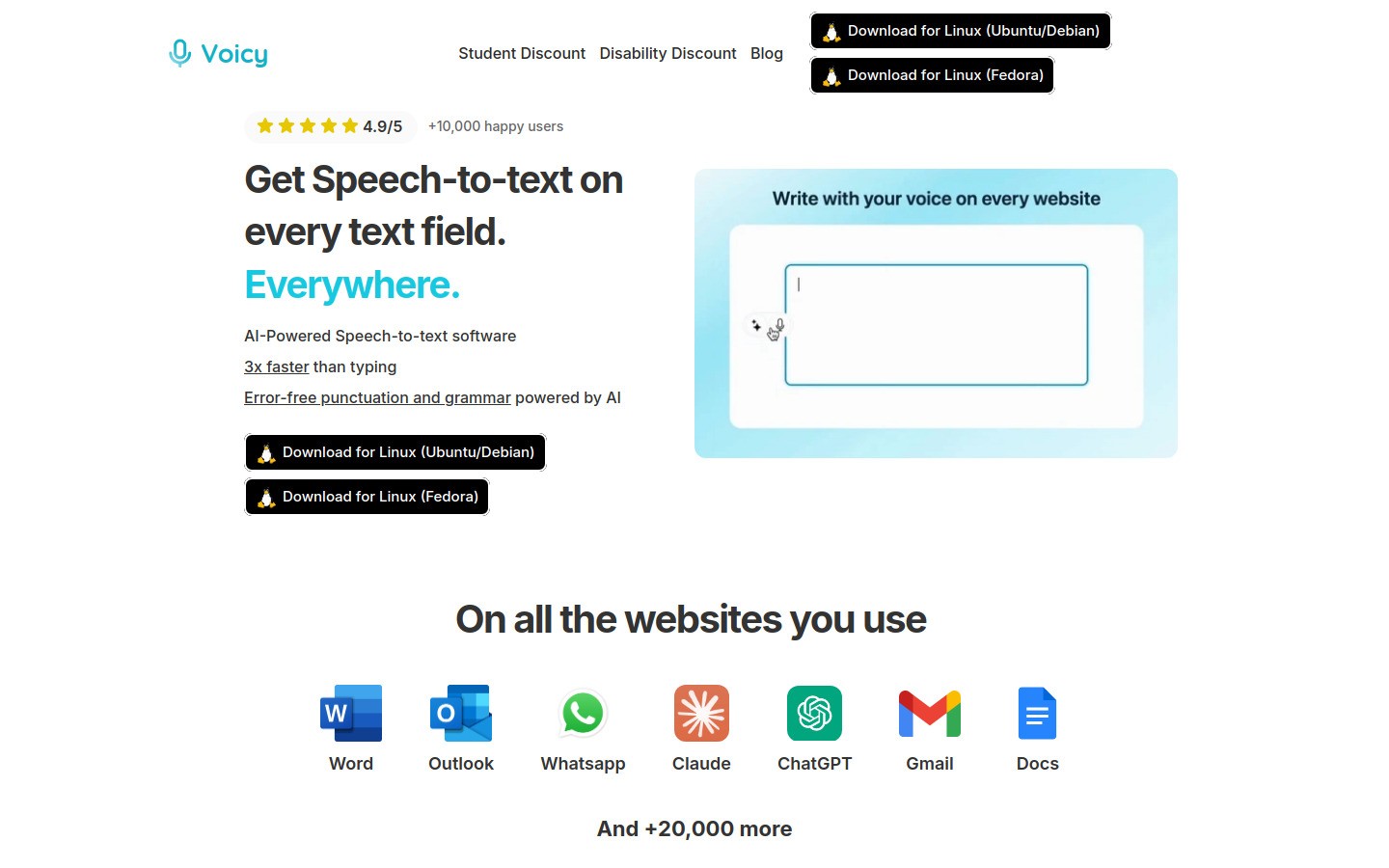
Voicy is the tool on this list I would add after you choose your core speech therapy platform. It is not a speech therapy EMR, and pretending otherwise would hurt trust. What it does well is speed up the writing that happens around care delivery: session summaries, caregiver follow ups, referral emails, handout drafts, school communication, internal notes, and rough documentation drafts.
Voicy works on Mac, Windows, and as a Browser Extension. Pricing is $8.49 per month, $82 per year, or $220 lifetime, and there is a free trial. Transcription is cloud based, not local only. That makes it a lighter test than replacing your whole clinical system.
Best for: dictation, follow up writing, handouts, summaries, and cross app voice typing
Strong points: easy to test, works across apps, useful in browser based workflows
Downside: it complements your main system, it does not replace it
For the most relevant internal paths, start with dictation software for medical professionals, speech to text for Google Docs, Notion speech to text, and speech to text Chrome extension.
7. Notion, best for SOPs, therapy resources, and internal team knowledge
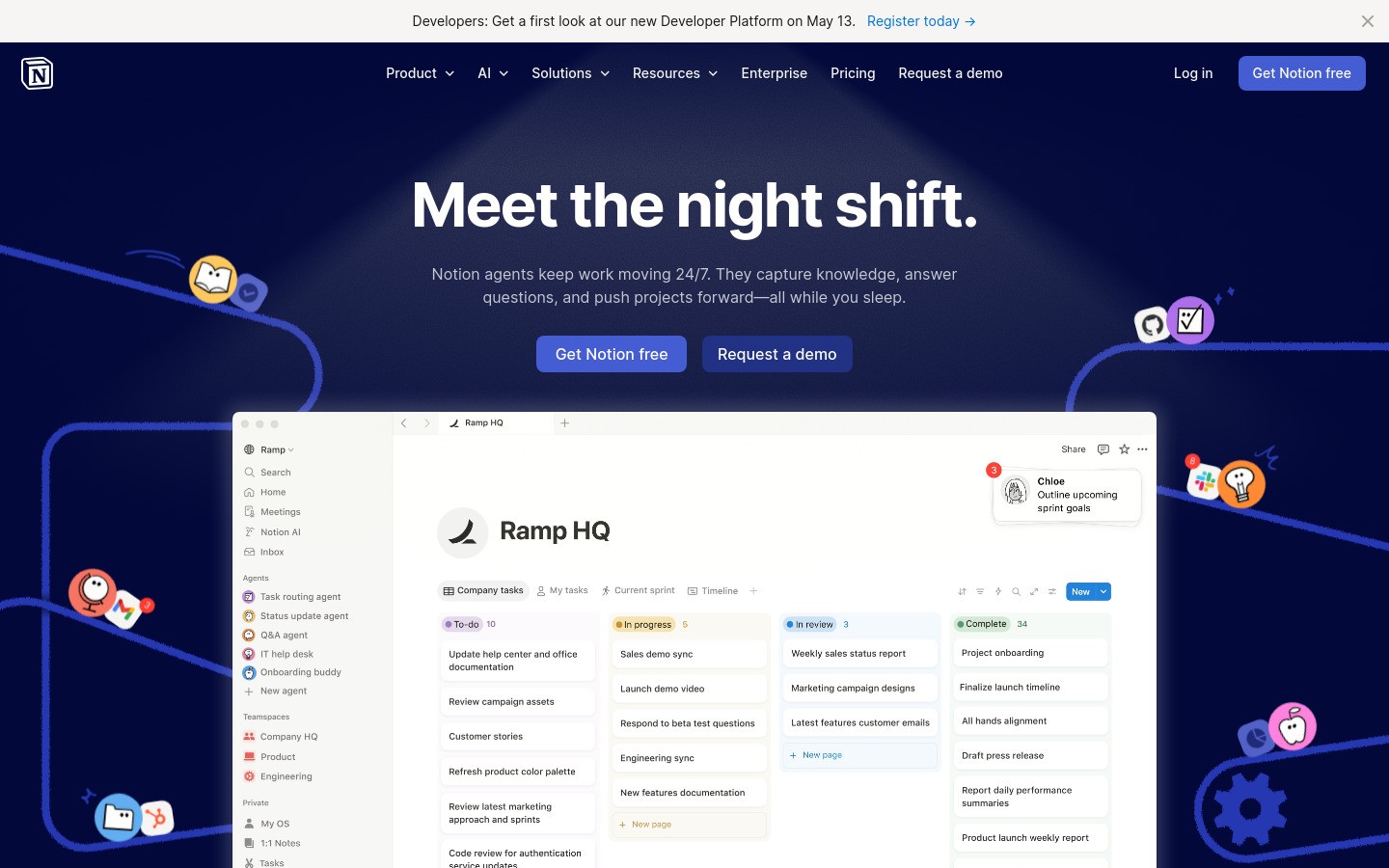
Notion is not where I would keep patient charts. It is where I would keep almost everything else: onboarding docs, home program templates, therapy material libraries, staff SOPs, meeting notes, and internal project tracking.
This becomes useful once a practice starts feeling messy. The tradeoff is simple. Without a clear owner, Notion turns into a junk drawer fast.
Best for: non PHI internal docs, knowledge bases, workflows, and resource libraries
Strong points: flexible docs, databases, templates, and team organization
Downside: easy to overbuild or let drift into chaos
Quick comparison table
Tool | Best for | Type | Main tradeoff |
|---|---|---|---|
WebPT | Established clinics | Rehab practice platform | Can feel heavy for small teams |
TheraPlatform | Small practices and teletherapy | Practice management plus telehealth | Lighter than big rehab suites |
ClinicSource | SLP documentation depth | Speech therapy EMR | More functional than polished |
SimplePractice | Solo and small practices | General practice platform | Less speech specific |
SLP Toolkit | School based SLPs | School workflow app | Not a full private practice platform |
Voicy | Writing faster across apps | Speech to text workflow layer | Not a clinical system |
Notion | Internal docs and SOPs | Workspace and knowledge base | Not for patient records |
A simple software stack for most speech therapists
Most speech therapists do not need seven separate tools on day one. A smarter stack usually looks like this:
Core clinic system: WebPT, TheraPlatform, ClinicSource, or SimplePractice depending on your setting
School workflow layer: SLP Toolkit if you work in school based service delivery
Writing layer: Voicy for faster notes, summaries, emails, and handouts
Internal knowledge layer: Notion for SOPs and reusable resources
That setup is more honest than pretending one platform solves every speech therapy workflow.
FAQ
What is the best software for speech therapists?
For many established clinics, WebPT is one of the strongest all around options because it combines rehab workflows, billing, and documentation support. For smaller practices, TheraPlatform or SimplePractice can be easier to live with.
What software do school based speech therapists use?
Many school based SLPs use tools focused on progress tracking and reporting rather than billing. SLP Toolkit stands out here because it is built around daily data, caseloads, and student reporting.
Do speech therapists need dictation software too?
Often, yes. Even with a good EMR, speech therapists still write caregiver emails, referral notes, handouts, summaries, and internal docs. That is where a tool like Voicy can help without forcing an EHR migration.
Is Notion good for speech therapy practices?
Yes, for internal workflows. It is useful for SOPs, therapy resource libraries, onboarding, and team coordination. I would not use it as a replacement for a compliant patient record system.
Final verdict
The best software tools for speech therapists depend on where your day gets stuck. If you need one core platform, start by comparing WebPT, TheraPlatform, ClinicSource, and SimplePractice. If you work in schools, SLP Toolkit may solve the more urgent reporting problem.
If writing is what keeps you late, Voicy is the easiest extra layer to test because you can add it without replacing the rest of your stack. Try Voicy free if you want a faster way to draft notes, handouts, and follow up writing with your voice.


