




Summary of the article
Regular hand exercises can reduce arthritis stiffness and improve mobility for computer users.
Skip exercises during flare-ups or sharp pain — gentle movement is the goal.
10 exercises covered: fist clenches, finger spreads, thumb touches, wrist rotations, prayer stretch, finger lifts, rubber band stretches, grip strengthening, thumb opposition, and wrist flexor stretch.
Best times: morning before work, short midday breaks, and a gentle evening wind-down.
On tough days, voice typing can keep you productive while your hands rest.
If you have arthritis, you already know how much typing can hurt. Your fingers feel stiff when you wake up. Your knuckles ache after a long work session. Even short typing bursts can leave your hands throbbing.
The good news? A few targeted exercises can make a real difference. Hand exercises for arthritis help keep your joints moving, reduce morning stiffness, and may lower pain over time.
This guide walks you through 10 simple exercises built for computer users — moves you can do right at your desk. We also cover when to skip them and when to call your doctor.
For more on working with arthritis, see our full guide: Typing With Arthritis: How to Keep Working Without Making It Worse.
Why Exercises Help Arthritis Hands
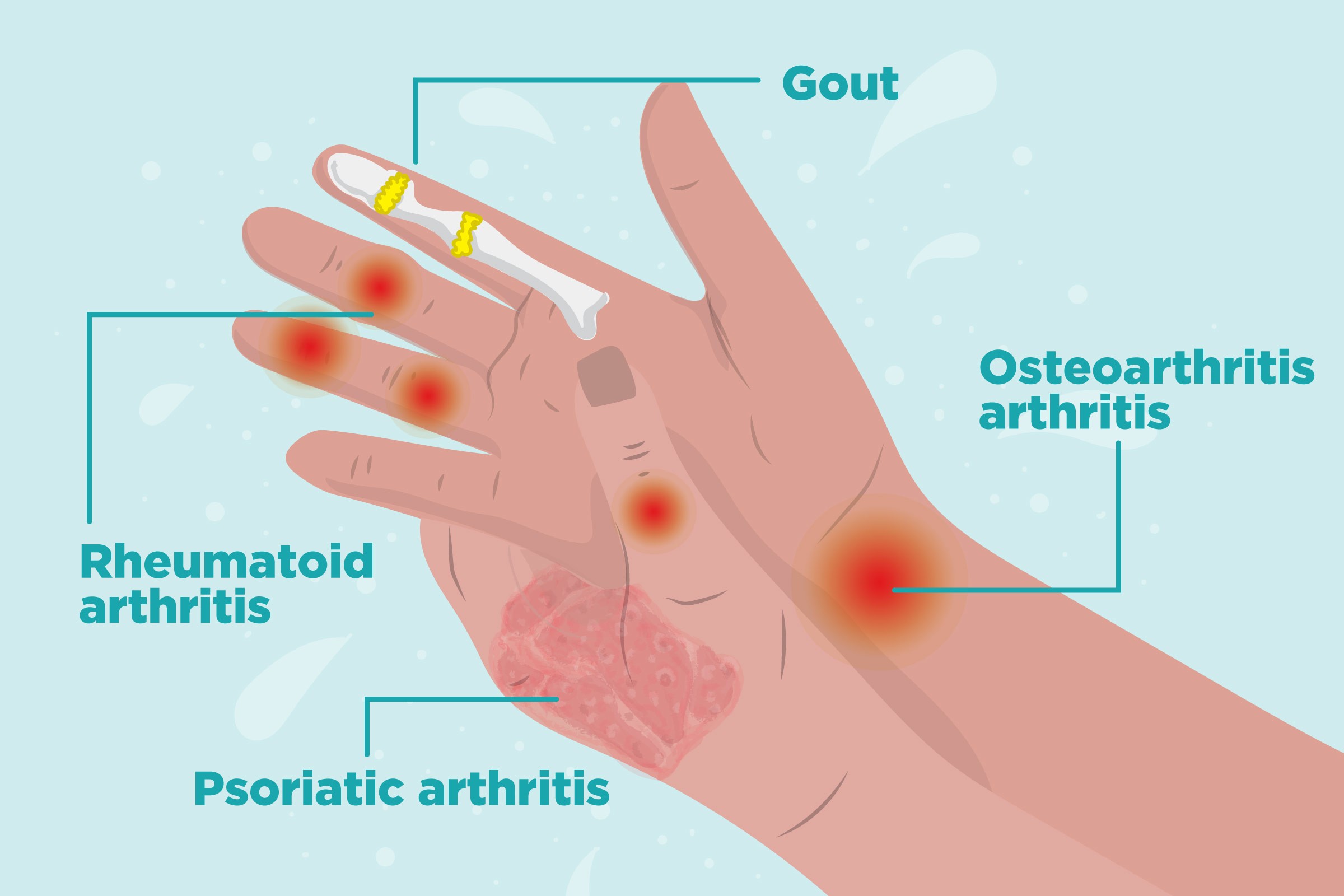
Arthritis causes inflammation in your joints. Over time, that can lead to stiffness, reduced range of motion, and pain. Sitting at a desk for hours only makes things worse — your hands stay in one tight position, circulation slows down, and your muscles tighten up.
Regular arthritis hand exercises help in a few ways:
Joint mobility: Moving your fingers and wrists keeps the joints lubricated and more flexible.
Blood flow: Gentle movement pumps blood to your hands, which can ease that cold, stiff feeling.
Muscle strength: Stronger muscles around the joint take some of the load off the cartilage.
Stiffness reduction: Short exercise sessions — especially in the morning — can loosen you up for the rest of the day.
Medical disclaimer: These exercises are general suggestions for people with arthritis and are not a substitute for medical advice. Always talk to your doctor or physical therapist before starting a new exercise routine. If you have a specific arthritis diagnosis (like rheumatoid arthritis or psoriatic arthritis), your doctor may have specific recommendations that differ from what's listed here.
Before You Start
Not every day is a good day to exercise. Here's when to skip it:
Active flare-up: If your joints are red, hot, swollen, or extra painful, rest first. Exercising during a flare can cause more damage.
Sharp or shooting pain: Mild discomfort is normal. Sharp, stabbing, or sudden pain is not. Stop immediately.
Post-surgery recovery: If you've had hand surgery recently, follow your surgeon's rehab plan — don't substitute these exercises.
If you're not sure whether it's safe to exercise, ask your doctor. A physical therapist can also build you a personalized plan based on your specific type of arthritis.
For related tips on protecting your fingers while you type, check out Arthritis in Fingers and Typing: What Helps and What Hurts.
10 Arthritis Hand Exercises for Computer Users
Do these gently. You're not trying to push through pain — you're trying to move your joints through their comfortable range of motion. Aim for slow, controlled movements.
1. Fist Clenches
What it helps: Overall finger flexibility and grip mobility.
Start with your hand open, fingers straight.
Slowly curl your fingers into a loose fist. Don't squeeze tight — just close your hand gently.
Hold for 3 seconds.
Slowly open your hand back to flat.
Reps: 10 times per hand.
2. Finger Spreads
What it helps: Reduces stiffness between finger joints, stretches the tendons.
Place your hand flat on a table, palm down.
Slowly spread your fingers as wide as you comfortably can.
Hold for 3–5 seconds.
Bring your fingers back together.
Reps: 10 times per hand.
3. Thumb Touches
What it helps: Fine motor control and thumb joint flexibility — critical for anyone who types a lot.
Hold your hand up, palm facing you.
Touch the tip of your thumb to the tip of your index finger to make an "O" shape.
Open your hand. Then touch your thumb to your middle finger, then ring finger, then pinky.
Reverse the sequence back to your index finger.
Reps: 2–3 full rounds per hand.
4. Wrist Rotations
What it helps: Wrist joint stiffness, circulation in the hands.
Extend one arm in front of you, elbow slightly bent.
Make a loose fist with your hand.
Slowly rotate your wrist in a full circle — 5 times clockwise, then 5 times counterclockwise.
Reps: 5 rotations each direction per wrist.
5. Prayer Stretch
What it helps: Wrist and finger flexors, relieves tension from extended typing sessions.
Press your palms together in front of your chest (like a prayer position).
Keep your palms together and slowly lower your hands toward your waist. Stop when you feel a gentle stretch in your wrists and forearms.
Hold for 15–20 seconds.
Return to center.
Reps: 2–3 times.
6. Finger Lifts
What it helps: Individual finger mobility and tendon strength — often stiff in arthritis sufferers.
Place your hand flat on a table, palm down, fingers together.
Lift one finger at a time off the table, hold for 2 seconds, then lower it.
Go through each finger: index, middle, ring, pinky, and thumb.
Reps: 2 full rounds per hand.
7. Rubber Band Stretches
What it helps: Builds the muscles that open your fingers — often weaker in people with arthritis.
You'll need a rubber band for this one.
Wrap a rubber band around all five fingers.
Slowly spread your fingers open against the resistance of the band.
Hold for 3 seconds. Then slowly close.
Reps: 10 times per hand. Use a light band — this shouldn't hurt.
8. Grip Strengthening
What it helps: Overall hand strength, which supports joint stability.
You'll need a soft stress ball or a rolled-up towel.
Hold the ball in your palm.
Squeeze gently — not as hard as you can, just a comfortable squeeze.
Hold for 3–5 seconds. Release slowly.
Reps: 10 times per hand. Skip this one if you have a recent flare in your fingers or thumb joints.
9. Thumb Opposition
What it helps: Thumb strength and the base joint of the thumb — a common arthritis pain point.
Hold your hand up, palm toward you.
Move your thumb across your palm and try to touch the base of your pinky finger.
Hold for 3 seconds. Return to start.
Reps: 10 times per hand.
10. Wrist Flexor Stretch
What it helps: Forearm and wrist tightness — especially common after long desk sessions.
Extend one arm in front of you, palm facing up.
With your other hand, gently press down on your fingers to bend your wrist downward.
Hold for 15–20 seconds. You should feel the stretch along the underside of your forearm.
Switch arms.
Reps: 2–3 times per wrist.
Want even more exercises? The Arthritis Foundation has a full library of hand exercises with videos and modifications for different severity levels.
When to Do These Exercises
Consistency matters more than intensity. A few minutes every day beats one long session once a week.
Morning Routine (Before Work)
Morning stiffness is one of the most common arthritis symptoms. A quick 5–10 minute session before you open your laptop can make a big difference in how your hands feel all day.
Try: wrist rotations → fist clenches → finger spreads → thumb touches. That's less than 5 minutes.
Midday Breaks
After 90 minutes of typing, your hands need a reset. Set a timer if you forget. Do 2–3 exercises to get the blood moving again. Finger lifts and the prayer stretch work great at a desk without needing any equipment.
Evening Wind-Down
End your workday with something gentle. The wrist flexor stretch and the prayer stretch are good options — they're more about releasing tension than building strength. Think of it as giving your hands a proper cool-down after a day of work.
While Your Hands Rest: Keep Working with Voice Typing
Some days, your hands just need a break. Flare-ups happen. And on those days, forcing yourself through a full workday of typing can make things worse, not better.
That's where voice typing comes in. Voicy lets you dictate directly into any app on your Mac, Windows PC, or browser — so you can keep writing emails, documents, and messages without touching the keyboard. It's not a workaround; for a lot of people with arthritis, it becomes their main way to work.
You can try it free — no commitment needed. And if you're dealing with wrist issues alongside arthritis, it's worth reading about voice typing for carpal tunnel too, since the two conditions often overlap.

Frequently Asked Questions
How often should I do arthritis hand exercises?
Most occupational therapists recommend doing gentle hand exercises daily. Even 5–10 minutes per day is enough to maintain mobility and reduce stiffness. Avoid overdoing it — your goal is gentle movement, not a workout.
Can exercise make arthritis worse?
If you exercise during an active flare-up — when joints are hot, red, or swollen — yes, it can cause more irritation. Outside of flare-ups, gentle range-of-motion and strengthening exercises are generally safe and beneficial. Always check with your doctor if you're unsure.
What are the best arthritis finger exercises for computer users?
Fist clenches, finger spreads, and thumb touches are the most directly useful for computer users. They target the joints most stressed by typing and keep finger movement fluid. Wrist rotations are also key for anyone using a mouse for long periods.
Should I exercise both hands even if only one hurts?
Yes, in most cases. Exercising both hands helps maintain balance and can prevent the less-affected hand from overcompensating. That said, follow your doctor's specific guidance if your arthritis is more severe in one hand.
Are these exercises the same as carpal tunnel exercises?
Some overlap, but they're not identical. Arthritis exercises focus on joint mobility and inflammation management. Carpal tunnel exercises target nerve compression and tendon gliding. If you have both conditions, it's worth reading about exercises to prevent carpal tunnel separately.
When should I see a doctor about hand pain from typing?
If your hand pain is new, getting worse, waking you up at night, or affecting daily tasks, see a doctor. Same if you notice swelling, joint deformity, or numbness. These could signal an arthritis flare or a separate condition that needs diagnosis. Don't guess — get checked.


