


10 ADHD Productivity Tips: How to Be More Productive with ADHD in 2026
🎯 TL;DR - ADHD Productivity Quick Wins
⏰ Use your peak energy hours (usually mornings) for hardest tasks
🍎 Break everything into tiny, "brain-sized" chunks
🔴 Try the "2-minute rule" - if it takes under 2 minutes, do it now
🎵 Add background stimulation (music, fidget toys) to boring tasks
📝 Capture fleeting thoughts instantly with voice notes before they vanish
⏳ Use timers to create urgency and prevent hyperfocus traps
🏠 Design your environment to work WITH your ADHD brain, not against it
👥 Find an accountability partner or use "body doubling" (working near others)
Having ADHD doesn't mean you're lazy or broken. Your brain works differently, and that's actually a superpower once you learn the right strategies.
Most productivity advice is written by neurotypical people for neurotypical brains. It focuses on willpower, discipline, and boring systems that make ADHD brains shut down completely.
This guide is different. These are productivity tips specifically designed for how ADHD brains actually work - strategies that work WITH your natural patterns, not against them.
Why Standard Productivity Advice Fails for ADHD Brains
If you've ever felt frustrated by productivity advice that just doesn't stick, you're not alone. The ADHD brain processes information differently:
Dopamine regulation is different - We need more immediate rewards and stimulation
Working memory challenges - Thoughts and tasks slip away if not captured immediately
Executive function differences - Planning, prioritizing, and task-switching work differently
Attention regulation - We struggle with both focus (can't start) and hyperfocus (can't stop)
That's why generic advice like "just make a to-do list" or "use willpower" falls flat. Your brain needs ADHD-specific strategies.
10 Proven ADHD Productivity Tips That Actually Work
1. Master Your Energy Rhythms
Most people with ADHD have specific times when their brain works best. Usually this is in the morning, but it varies by person.
How to apply this:
Track your energy and focus for a week
Schedule your most important tasks during peak hours
Save routine or easy tasks for low-energy periods
Protect your peak hours - don't waste them on email or social media
When you work with your natural rhythms instead of against them, everything becomes easier.
2. Use the "Brain-Sized Chunk" Method
ADHD brains get overwhelmed by big, vague tasks. The solution? Break everything down until it feels manageable.
Instead of: "Write presentation"
Try this:
Open PowerPoint
Create title slide
Write 3 main points
Find 2 images
Write conclusion slide
Each step should feel so small that it's almost silly NOT to do it. That's when you know you've chunked it correctly.
3. Apply the 2-Minute Rule
If something takes less than 2 minutes, do it immediately. This prevents small tasks from piling up into an overwhelming mountain.
Examples of 2-minute tasks:
Reply to a simple email
Put dishes in dishwasher
File a document
Schedule an appointment
Send a quick text
This rule prevents the dreaded "task accumulation" that can paralyze ADHD brains.
4. Capture Thoughts Before They Disappear
ADHD brains are idea factories, but those ideas vanish quickly. You need a fast, reliable way to capture them.
Voice recording is perfect for this. Speaking is faster than typing, and you can capture thoughts while doing other things.
Tools like Voicy let you quickly record voice notes that get automatically transcribed into text. Whether it's a sudden project idea, something you need to remember, or a task you just thought of, capture it instantly.
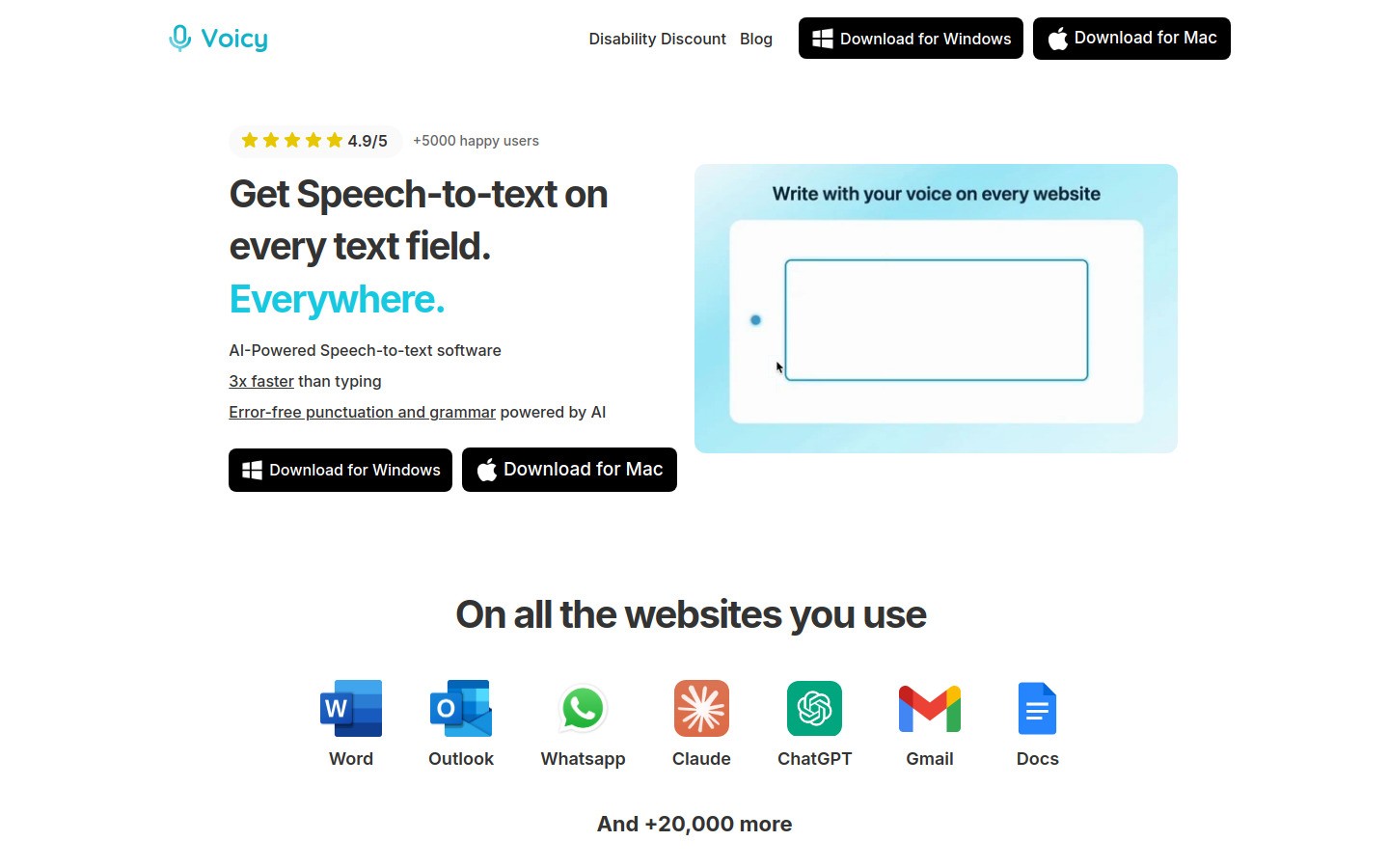
The key is making capture so easy that there's no friction between thought and action.
5. Add Stimulation to Boring Tasks
ADHD brains crave stimulation. When a task is boring, your brain literally can't focus on it. The solution? Add stimulation.
Try these stimulation boosters:
Background music or brown noise
Fidget toys or stress balls
Standing desk or exercise ball
Changing locations (coffee shop, different room)
Working alongside others (body doubling)
Don't feel guilty about needing background noise or fidgeting. Your brain needs that stimulation to focus properly.
6. Use Timers as Your Focus Tool
Timers solve two major ADHD problems: difficulty starting (no urgency) and difficulty stopping (hyperfocus).
The Pomodoro Technique for ADHD:
Set timer for 15-25 minutes (start shorter than you think)
Work on ONE task until timer rings
Take a 5-minute break (move your body)
Repeat
The timer creates artificial urgency that helps your brain engage. Plus, knowing there's an endpoint makes it easier to start.
7. Design Your Environment for Success
Your environment either supports your ADHD brain or fights against it. Small changes can make a huge difference.
ADHD-friendly environment tips:
Remove visual distractions from your workspace
Keep important items visible (not in drawers)
Use color-coding for different projects
Have all your tools within arm's reach
Create separate spaces for different activities
Your space should make good choices easier and bad choices harder.
8. Practice "Good Enough" Perfectionism
Perfectionism and ADHD are a toxic combination. You either don't start (because it won't be perfect) or you get stuck perfecting details while missing deadlines.
The "good enough" standard:
Aim for 80% quality on most tasks
Save perfectionism for the 20% that truly matters
Set time limits for revisions
Remember: done is better than perfect
This mindset shift alone can dramatically improve your productivity.
9. Find Your Accountability System
ADHD brains often struggle with self-accountability. External accountability can be a game-changer.
Accountability options:
Body doubling: Work alongside others (in person or virtual)
Check-in buddy: Regular progress updates with a friend
Public commitment: Announce your goals on social media
Appointment with yourself: Treat tasks like unmovable meetings
Find what works for you and lean into it. There's no shame in needing external structure.
10. Use Technology as Your External Brain
ADHD often means working memory challenges. Technology can serve as your external brain, remembering things so you don't have to.
Essential ADHD productivity tools:
Voice recording apps: Voicy for capturing thoughts instantly
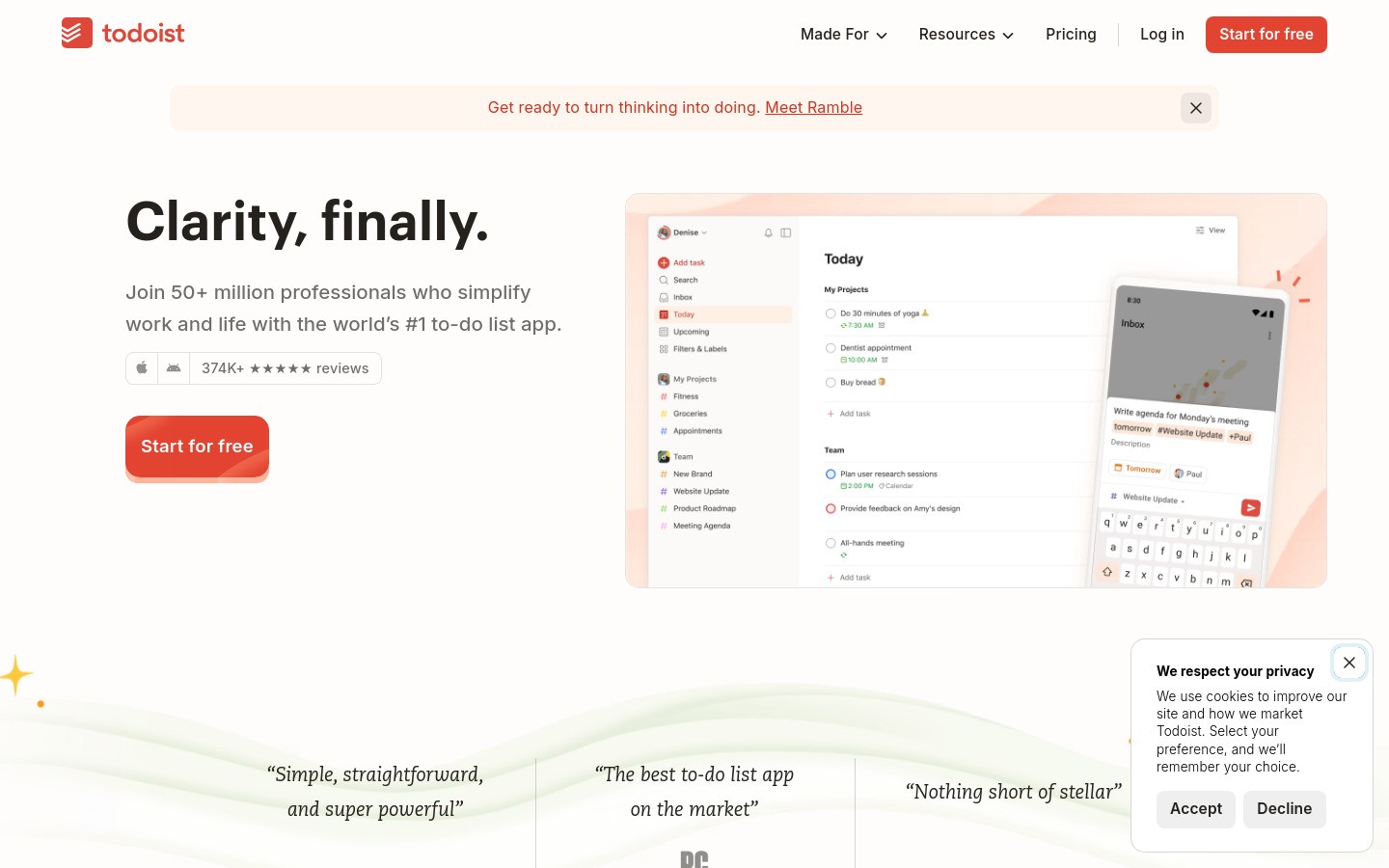
Task managers: Apps with notifications and due dates
Calendar blocking: Schedule everything, including breaks
Automation: Let technology handle routine tasks
Browser extensions: Speech-to-text tools for faster communication
The goal is to reduce mental load by offloading memory tasks to technology.
How Voice Technology Helps ADHD Productivity
Speaking is often faster and more natural than typing for people with ADHD. Voice technology can be a powerful productivity tool:
Quick thought capture: When inspiration strikes, voice recording lets you capture it instantly without interrupting your flow.
Faster communication: Dictating emails and messages is often faster than typing, especially for longer content.
Hands-free operation: You can capture thoughts while doing other tasks, like walking or tidying up.
Voicy is designed specifically for this - quick, accurate voice recording that transcribes to text automatically. It works on Mac, Windows, and as a browser extension, so your voice capture system is always available.
For many people with ADHD, this becomes their primary tool for capturing the constant stream of thoughts and ideas that would otherwise be forgotten.
Building Your Personal ADHD Productivity System
Don't try to implement all these tips at once. ADHD brains do better with gradual changes.
Start here:
Pick ONE tip that resonates most with you
Try it for one week
If it helps, make it a habit before adding another tip
If it doesn't work, try a different approach
Build your system slowly over time
Remember: there's no one-size-fits-all system for ADHD productivity. What works for others might not work for you, and that's completely normal.
Related Tools and Resources
If you're looking to build a complete ADHD productivity toolkit, check out these related resources:
Best ADHD Productivity Tools - Comprehensive tool recommendations
ADHD Time Management Tools - Specific tools for time management challenges
Voicy Voice Typing App - Fast thought capture with voice
Speech-to-Text Chrome Extension - Voice typing for web browsers
Frequently Asked Questions
Why don't normal productivity tips work for ADHD?
ADHD brains process information differently, especially around dopamine regulation and executive function. Standard advice assumes neurotypical brain patterns that don't apply to ADHD. ADHD-specific strategies work WITH your brain's natural patterns instead of against them.
What's the best productivity method for ADHD?
There's no single "best" method since ADHD affects everyone differently. However, methods that break tasks into small chunks, provide immediate feedback, and accommodate attention challenges tend to work well. The Pomodoro Technique, time-blocking, and body doubling are popular starting points.
How do I stay motivated with ADHD when tasks are boring?
Add external stimulation (music, fidget toys), work alongside others, break tasks into smaller pieces, or pair boring tasks with something enjoyable. The key is recognizing that ADHD brains need more stimulation to maintain focus on routine tasks.
Should I use medication or natural methods for ADHD productivity?
This is a personal decision best made with a healthcare professional. Many people use a combination of medication, therapy, and behavioral strategies. Productivity techniques can be helpful regardless of whether you take medication.
How can I remember to do tasks with ADHD?
External reminders are crucial. Use phone alarms, calendar notifications, visual cues, or voice recording apps like Voicy to capture tasks immediately when you think of them. The key is making the capture process as frictionless as possible.
What if I hyperfocus and lose track of time?
Set timers before starting tasks, even enjoyable ones. Use phone alarms, Apple Watch notifications, or ask someone to check on you. The timer creates external structure to help regulate hyperfocus episodes.
How do I deal with ADHD procrastination?
Start with the smallest possible step, use the "2-minute rule" for quick tasks, and create artificial urgency with timers or deadlines. Often procrastination happens because the task feels too big or unclear, so breaking it down helps.
Can voice typing really help with ADHD productivity?
Yes, many people with ADHD find voice typing helpful because speaking is often faster than typing and allows for immediate thought capture. Tools like Voicy can help you quickly capture ideas, dictate emails, or take notes without losing your train of thought.
What's the difference between ADHD and just being disorganized?
ADHD involves specific neurological differences in executive function, attention regulation, and dopamine processing. It's not just being disorganized or lacking willpower - it's a neurodevelopmental difference that affects how the brain processes information and regulates attention.
How long does it take to build productive habits with ADHD?
ADHD brains often take longer to form habits than neurotypical brains. Focus on consistency over perfection, start with very small changes, and expect it to take several months rather than weeks. Using external accountability and reminders can help the process stick.
Should I tell my employer about my ADHD?
This is a personal decision that depends on your workplace culture, job requirements, and comfort level. Some people find that requesting accommodations (like quiet workspace or flexible schedules) helps their productivity, while others prefer to implement strategies independently.
What are the best apps for ADHD productivity?
Popular options include Voicy for voice capture, Todoist for task management, Forest for focus tracking, and RescueTime for time awareness. The key is finding tools that match your specific ADHD challenges and preferences.