

Best Dictation Software for Speech Therapists (2026)
Summary of the article
If you want the best dictation software for speech therapists, split the problem in two.
Dragon Medical One is best for clinics that need mature medical dictation and deep EHR workflows.
Mentalyc is best for therapy-focused note drafting and structured mental health workflows.
Freed is best for fast AI visit summaries when you want less manual note writing.
Suki is best for larger healthcare teams that want mobile dictation and voice commands.
Voicy is best for the non-clinical writing speech therapists do all day, like emails, handouts, reports, referrals, and drafts in Google Docs, Notion, or browser tools.
If you handle protected health information, pick a tool with clear healthcare compliance terms and a signed BAA. If you mainly want to write faster outside the patient note, Voicy is the lighter and cheaper option.
Speech therapists write a lot. Session notes, home practice plans, school updates, referral letters, emails, and insurance paperwork all add up fast.
That is why many people search for the best dictation software for speech therapists. But one tool rarely does everything well. Some apps are built for clinical notes. Others are better for everyday writing across apps.
This guide compares the best options in 2026, shows the tradeoffs, and helps you choose the right fit for your workflow.
How we chose the best dictation software for speech therapists
We looked at five things:
Accuracy for healthcare or professional writing
How fast the tool feels in real work
Whether it fits therapy documentation or only generic dictation
Ease of setup and daily use
Price compared with what you actually get
We also checked search results and competitor pages. Most of them focus only on HIPAA language or only on generic voice typing. The gap is simple: speech therapists usually need both clinical dictation and regular admin writing.
1) Dragon Medical One, best for established clinical dictation
Dragon Medical One is the safest pick if your clinic wants proven medical speech recognition and strong EHR compatibility. It has been around long enough that many health systems already trust it.
Why speech therapists pick it
Strong medical vocabulary out of the box
Good fit for structured documentation workflows
Well known in larger clinics and hospital systems
Tradeoffs
Usually overkill for solo therapists who mainly need simple notes
Costs more than most modern voice tools
Can feel rigid for everyday writing outside the chart
Best for: clinics and healthcare organizations that want a mature documentation tool first.
2) Mentalyc, best for therapy-specific note workflows
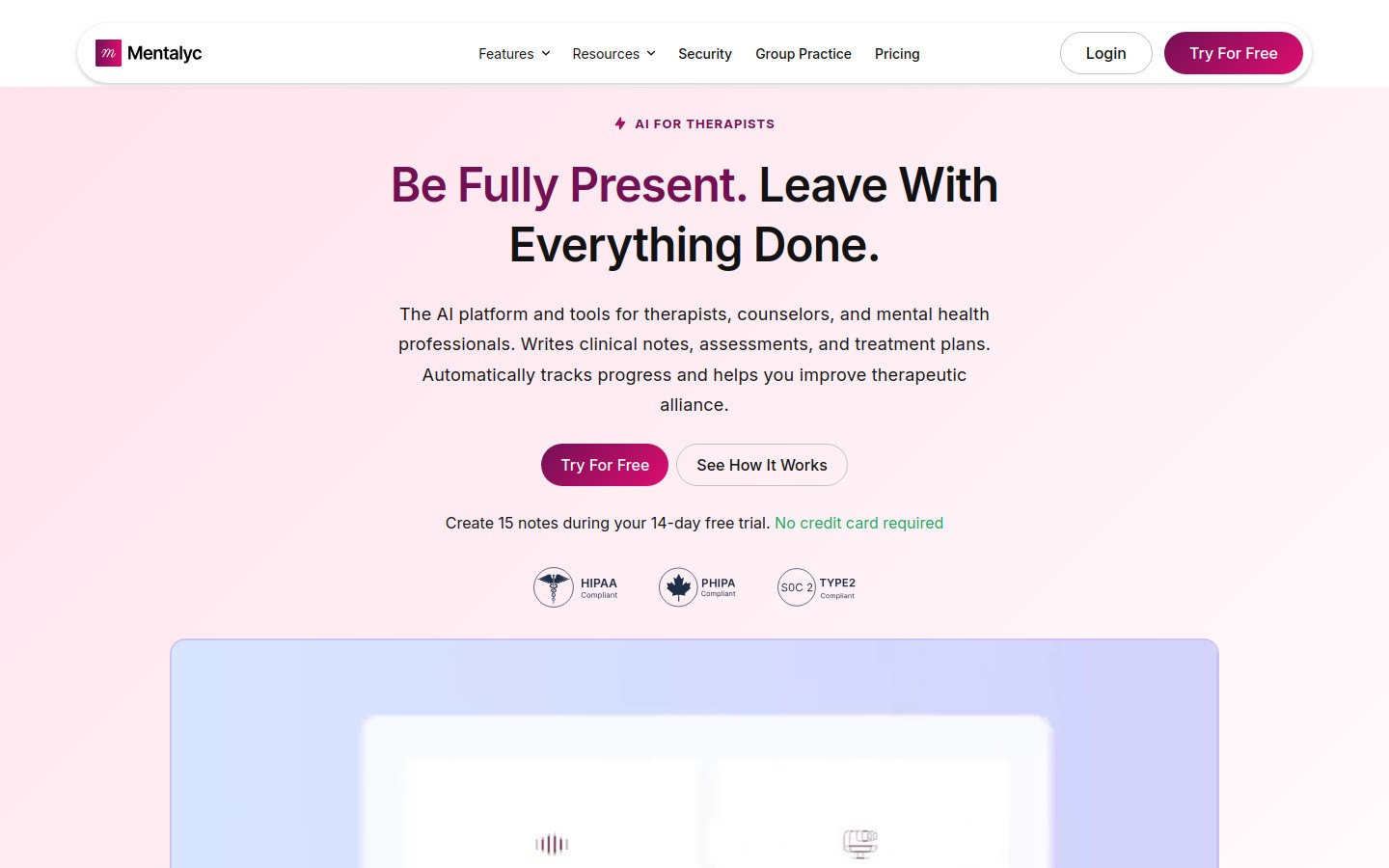
Mentalyc is built for therapists, so it is easier to map to SOAP notes, progress notes, and mental health style documentation than a generic dictation app.
Why it stands out
Therapy-focused product positioning
Structured note output instead of raw transcript only
Better fit for practices that want help after sessions, not just speech-to-text
Tradeoffs
More note assistant than pure dictation tool
You still need to review outputs carefully before finalizing records
Less useful for all the non-clinical writing you do outside patient documentation
Best for: speech therapists who want therapy-oriented note support more than general writing help.
3) Freed, best for fast draft notes after visits
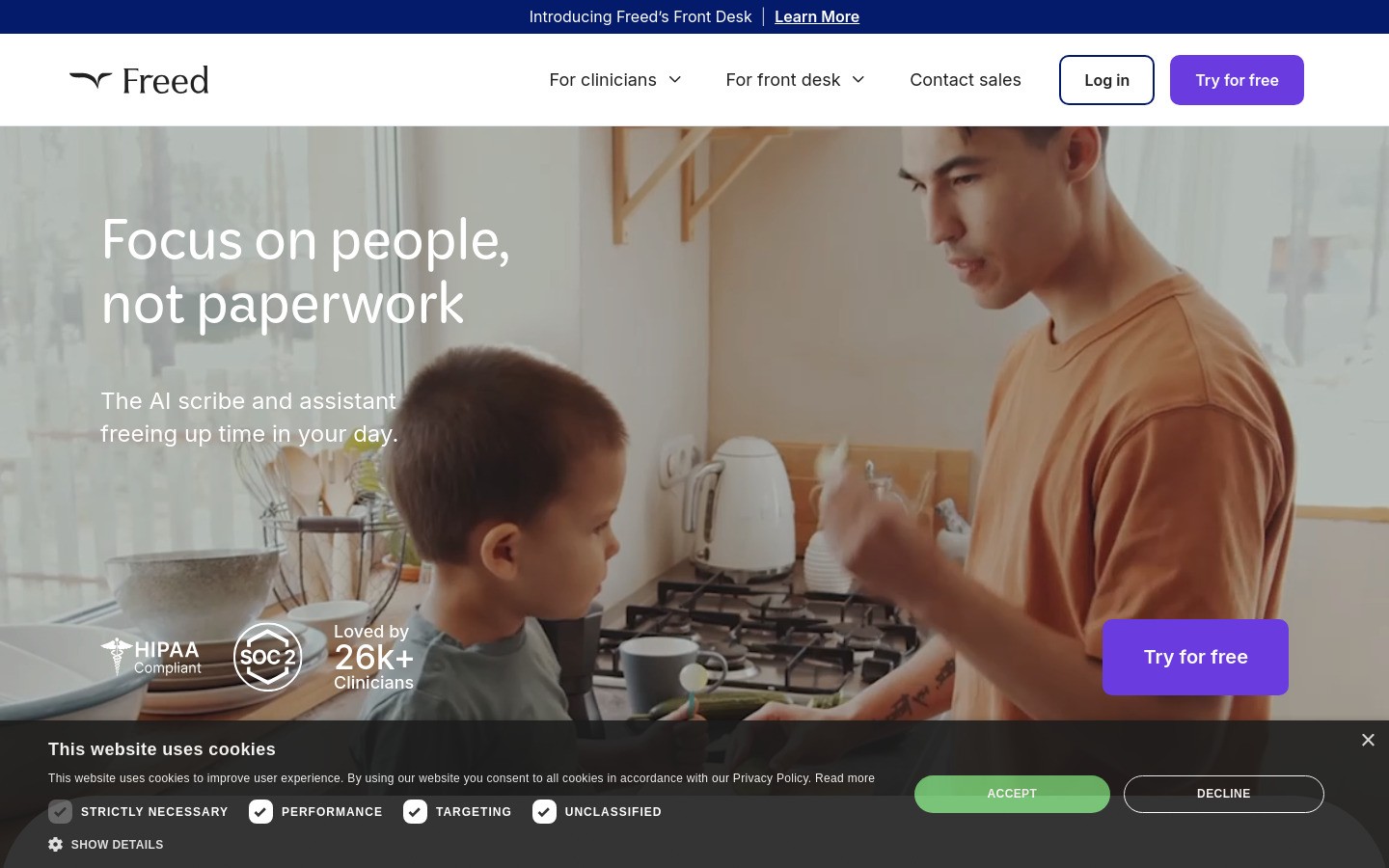
Freed is popular because it tries to cut charting time quickly. It is closer to an AI medical scribe than a basic dictation app.
Why some therapists like it
Fast note drafts after appointments
Simple pitch and low setup friction
Useful if your biggest pain is finishing notes at the end of the day
Tradeoffs
Best when your workflow matches its visit-summary style
Less tailored to speech therapy than therapy-specific products
Not the best choice for writing handouts, emails, or school reports
Best for: clinicians who want help turning visits into quick first-draft notes.
4) Suki, best for larger healthcare teams with mobile workflows
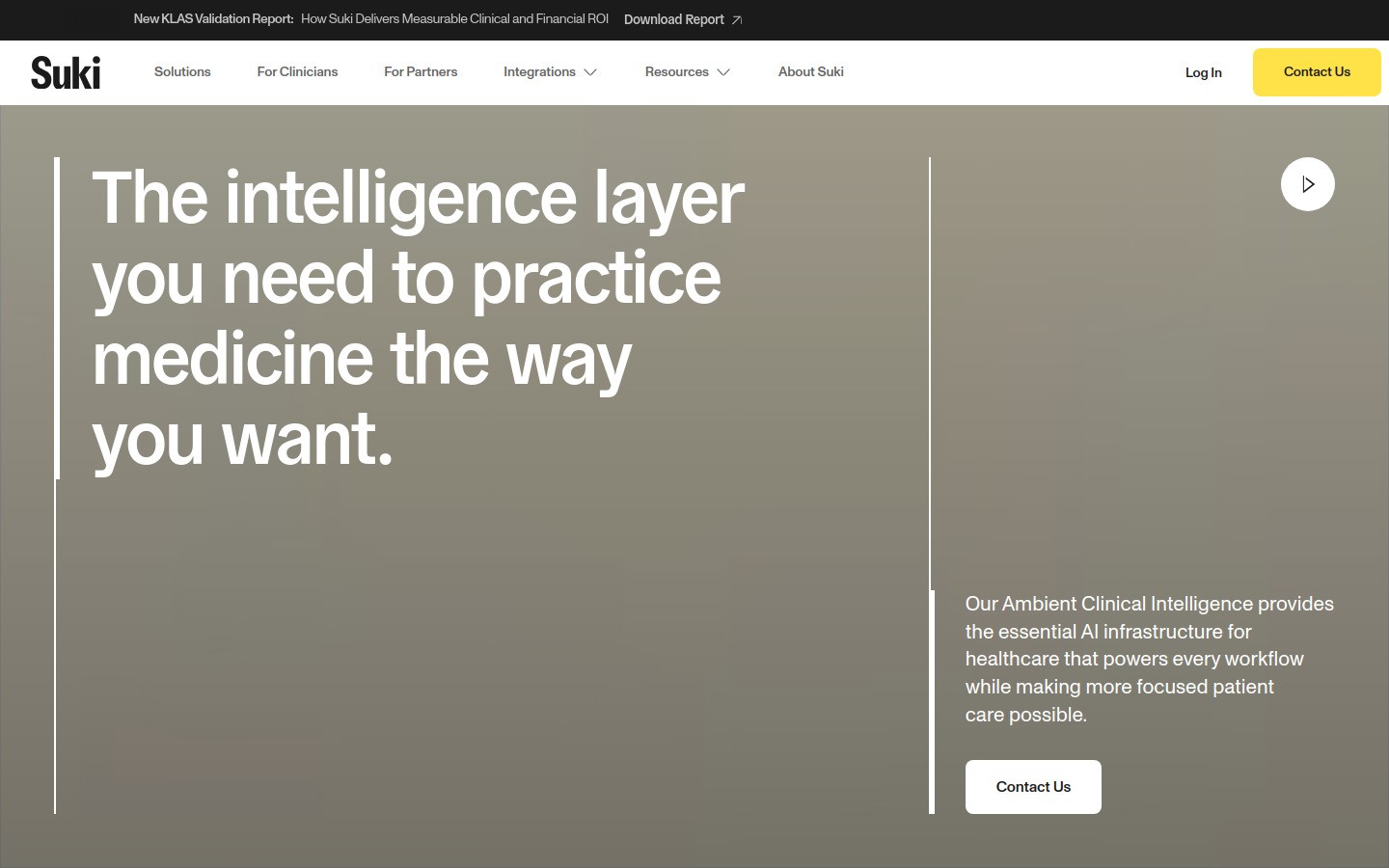
Suki is a bigger healthcare platform play. It focuses on voice interaction, speed, and workflow support across clinical environments.
Why it makes this list
Strong healthcare positioning
Mobile-friendly workflows matter for busy clinicians
Useful when teams want more than simple transcription
Tradeoffs
Pricing is usually too high for many solo or smaller practices
May be more platform than a speech therapist actually needs
You should verify how well it fits therapy-specific note styles
Best for: health systems and multi-provider teams that want a broader voice workflow tool.
5) Voicy, best for non-clinical writing and admin work
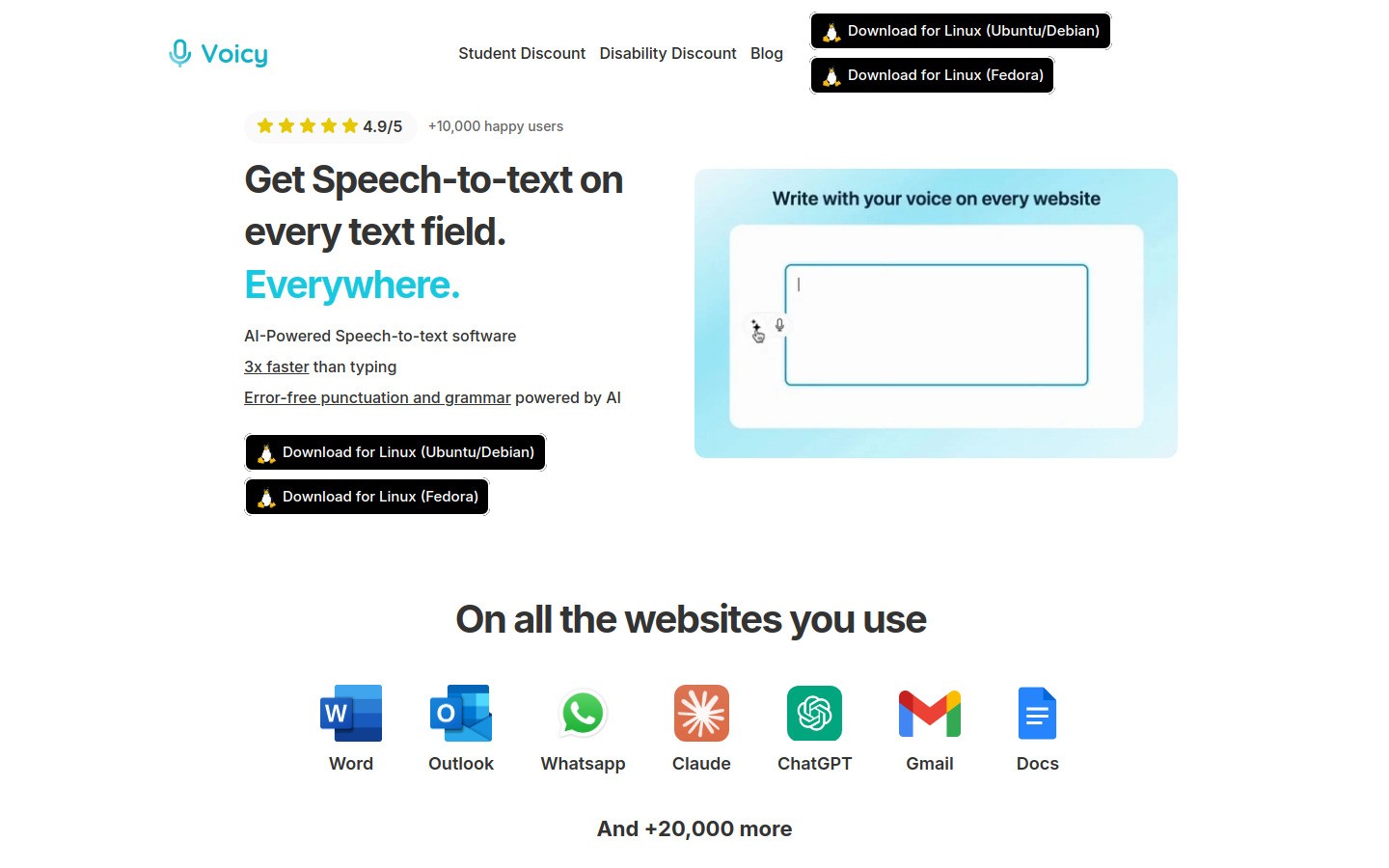
Voicy is not the best fit for protected clinical documentation. That is important to say clearly. But it can still be one of the most useful tools a speech therapist buys, because so much of the workday happens outside the chart.
If you spend time writing parent emails, home exercise instructions, referral drafts, Google Docs reports, Notion notes, or prompts inside AI tools, Voicy is a much better fit than heavy medical dictation software.
Why Voicy fits speech therapists
Works on Mac, Windows, and as a browser extension
Great for fast writing across everyday apps
Cheaper than most healthcare-specific tools
Useful for school SLPs, private practice admin work, and content creation
Tradeoffs
Cloud-based transcription, so do not treat it like a healthcare compliance product unless your exact workflow allows it
Not built as a therapy note platform
You still need a separate system for protected clinical records
Pricing: free trial available, then $8.49/month, $82/year, or $260 lifetime.
Best for: speech therapists who want to write faster everywhere outside sensitive patient notes.
Which type of speech therapist should pick which tool?
Private practice therapist
If notes are the main problem, start with Mentalyc or Freed. If admin writing eats more time than charting, try Voicy.
Hospital or larger clinic therapist
Dragon Medical One is usually the safer bet because it fits enterprise workflows better.
School-based SLP
If you spend more time in docs, reports, IEP drafts, and email than inside a medical EHR, Voicy may give you more daily value per dollar.
Mobile clinician
Suki is worth a look if mobile use and broader voice workflow support matter most.
What to check before you buy
Does the vendor clearly explain healthcare compliance and BAA availability?
Will you use it for patient notes, or mostly for admin writing?
Does it work in your actual apps, not just in a demo?
How much cleanup does each note need after dictation?
Is the monthly price still worth it after the first week of excitement wears off?
For HIPAA basics, review the HHS HIPAA Security Rule overview before trusting any vendor claim.
A simple workflow that works for many speech therapists
Use a healthcare-focused tool for protected session notes.
Use a lighter cross-app tool for emails, reports, handouts, and draft writing.
Keep editing short. Dictate the first draft, then clean it up fast.
That split usually works better than forcing one tool to handle every task.
If you want ideas for the second half of that workflow, these guides help:
FAQ
What is the best dictation software for speech therapists?
It depends on the job. For enterprise clinical dictation, Dragon Medical One is a strong pick. For therapy-oriented note help, Mentalyc is a better fit. For non-clinical writing across apps, Voicy is the practical choice.
Do speech therapists need HIPAA compliant dictation software?
If you are capturing or processing protected health information, yes, you need a workflow that matches your compliance requirements and vendor agreements.
Is Voicy HIPAA compliant for patient notes?
This article does not recommend Voicy as a protected clinical note platform. Voicy is best positioned here for non-clinical writing, drafts, and admin work.
What is the cheapest good option for speech therapists?
If your work is mostly everyday writing outside patient notes, Voicy is one of the lowest-cost useful paid options. If you need clinical documentation features, the right tool is usually more expensive.
Should I buy one tool or two?
Many speech therapists will get better results with two. One tool for protected note workflows, one tool for fast daily writing across regular apps.
Final takeaway
The best dictation software for speech therapists is not one universal winner. It depends on whether your bottleneck is clinical charting or everything else you have to write.
If patient-note dictation is the priority, start with a healthcare-first tool like Dragon Medical One, Mentalyc, or Freed. If your daily friction is email, reports, handouts, and browser-based writing, Voicy is the smarter lightweight option.
Pick the tool that matches the writing you do most. That is what actually saves time.


