




Best Medical Dictation Software 2026: 7 Tools Doctors Actually Use
For doctors comparing Dragon Medical with lighter dictation tools, our Dragon alternatives guide explains where Dragon still fits and where Voicy is better for non-PHI drafts, admin writing, and file transcription.
TL;DR
Dragon Medical One: Best fit when you need mature medical dictation inside clinical documentation workflows.
Voicy: Best fit for low-cost, cloud-based dictation and file transcription for non-PHI drafting, admin writing, summaries, referral drafts, and letters.
Freed: Best fit if you want an AI medical scribe that turns visits into draft notes.
DeepScribe: Best fit for clinics testing ambient documentation during patient visits.
Amazon Transcribe Medical: Best fit for healthcare product teams building custom speech-to-text workflows.
Notta: Best fit for broad multilingual transcription, not regulated clinical dictation.
INVOX Medical: Best fit if you want a smaller medical-focused dictation vendor to compare with Dragon.
Short answer: the best medical dictation software depends on what you mean by medical. If you are documenting patient care or handling protected health information, start with healthcare-native tools and verify compliance, EHR fit, and BAA terms. If you mainly want faster writing for non-sensitive drafts, emails, summaries, referral letters, and admin work, a general dictation tool like Voicy can be a lighter option.
Medical dictation software is not one neat category anymore. In 2026, buyers usually compare classic medical speech recognition, medical transcription software, EHR dictation, ambient AI scribes, and general speech-to-text apps in the same search.
That can get risky fast. A tool that is great for drafting an email may be the wrong tool for a clinical note. This guide separates those use cases so you can choose the right kind of product before comparing price.
What medical dictation software means in 2026
Medical dictation software usually means one of five things:
Medical dictation: you speak and the software turns your words into text, often with medical vocabulary support.
Medical transcription: an audio file or recording becomes a written transcript, sometimes with human review.
EHR dictation: dictation that works inside, or close to, an electronic health record workflow.
Ambient AI scribe: software listens to a visit and creates a draft clinical note from the conversation.
General dictation: speech-to-text for writing outside the clinical record, such as emails, letters, admin notes, and drafts.
If you are choosing software for protected clinical documentation, compliance and workflow fit matter first. The HHS HIPAA Security Rule overview is a useful starting point for understanding why vendor data handling matters. For EHR basics, the ONC explanation of electronic health records is the cleaner reference.
Quick comparison
Tool | Category | Best for | Compliance posture to verify | Main catch |
|---|---|---|---|---|
Dragon Medical One | Medical dictation | Hospitals, clinics, EHR-heavy teams | Healthcare-focused vendor workflow | Enterprise-shaped buying process |
Voicy | General dictation and file transcription | Non-PHI drafts, emails, summaries, referral drafts, admin writing | Do not treat as HIPAA-ready clinical documentation software | Not an EHR or medical compliance platform |
Freed | AI medical scribe | Outpatient visit-note drafts | Vendor healthcare terms and BAA availability | Still requires clinical review |
DeepScribe | Ambient AI scribe | Real-time encounter documentation | Vendor healthcare terms and implementation fit | May be more than small teams need |
Amazon Transcribe Medical | API | Custom healthcare software builds | AWS healthcare architecture and account setup | Requires engineering |
Notta | General transcription | Multilingual non-clinical transcripts | Not healthcare-specific by default | Not built around medical charting |
INVOX Medical | Medical dictation | Medical-specific alternative research | Confirm deployment, support, and data terms | Smaller ecosystem than Dragon |
1. Dragon Medical One: best medical dictation software for clinical workflows
Dragon Medical One is still the benchmark for healthcare buyers who want dedicated medical dictation. Microsoft describes it as a clinical documentation companion with speech-driven support from pre-charting to post-encounter work.
Pick Dragon first if your main problem is clinical documentation, EHR workflow fit, and medical vocabulary. It is not the cheapest path, but it is the category leader many teams use as the comparison point.
Best for: hospitals, larger clinics, and documentation-heavy teams.
Strengths:
Built for clinical documentation rather than generic writing
Strong medical vocabulary focus
Familiar option for teams replacing older Dragon workflows
Better fit than general dictation tools for EHR-heavy work
Main downside: it can be too heavy if you only need faster everyday writing, not a clinical documentation stack.
2. Voicy: best affordable option for non-PHI drafting and admin writing
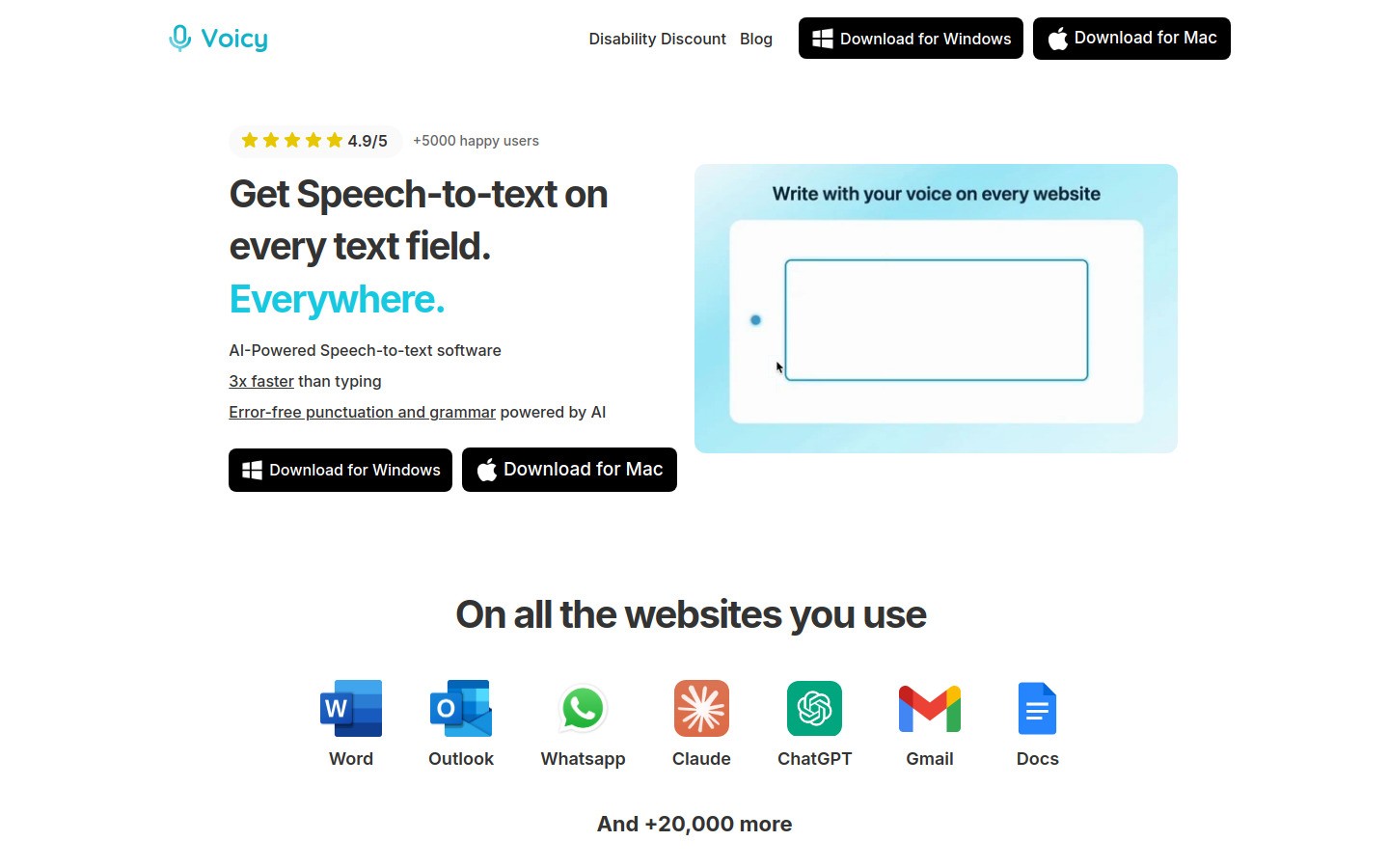
Voicy is not a medical dictation platform, an EHR, or a HIPAA-specific clinical documentation system. That line matters.
Where Voicy fits is the writing around healthcare work that still eats time: non-sensitive drafts, emails, internal notes, referral letter drafts, summaries, marketing copy, policy drafts, and uploaded-file transcription for material that is appropriate for a general cloud-based tool.
Voicy is cloud-based, supports live dictation and file upload transcription, and works across Mac, Windows, browser extension, iOS, and Android. Pricing is simple: free trial available, then $8.49/month, $82/year, or $260 lifetime.
Best for: healthcare professionals who want to reduce typing outside protected clinical charting.
Strengths:
Lower cost than healthcare-native dictation suites
Useful across email, documents, browser tools, and general writing apps
File transcription helps with appropriate recordings and drafts
Works on more personal-device workflows than classic Windows-first tools
Main downside: do not treat Voicy as a HIPAA-ready clinical documentation system. If your workflow includes protected health information, patient records, or regulated clinical documentation, confirm the right vendor agreements and product posture first.
For broader context, compare this with Voicy's dictation software overview, browser speech-to-text workflow, and best dictation software guide.
3. Freed: best AI medical scribe for outpatient draft notes
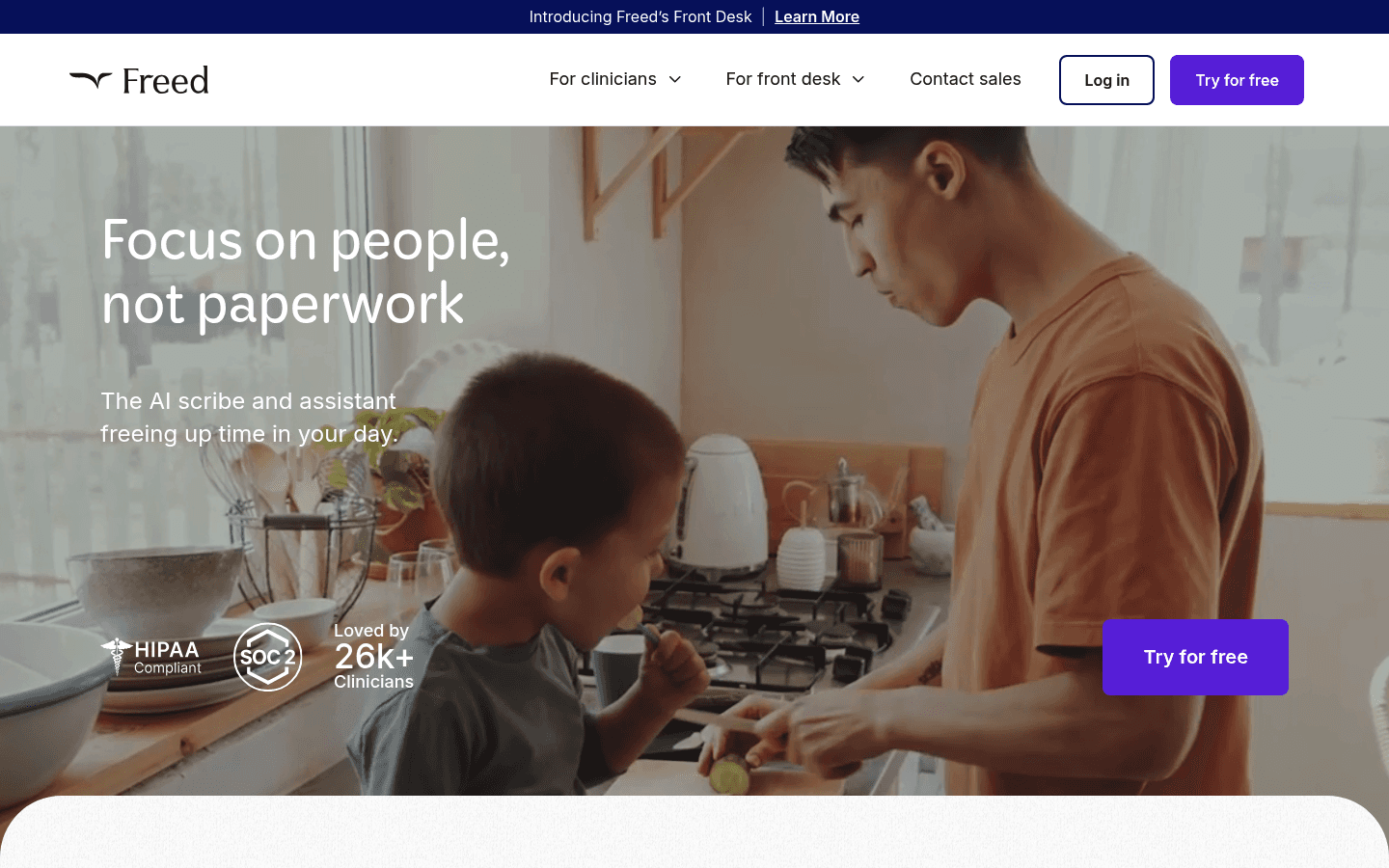
Freed is closer to an AI medical scribe than classic dictation software. Instead of simply turning your dictated words into text, it aims to turn a visit conversation into a draft clinical note.
That makes it a better fit when the pain is after-visit documentation, not just typing speed. It also means you need a review workflow. A draft note still has to be checked by the clinician.
Best for: outpatient clinicians who want help creating first-draft notes from visits.
Strengths:
Designed around clinical notes, not generic transcripts
Useful when after-hours charting is the main pain
Easier starting point than a custom API build
Main downside: it is a scribe workflow, so review and clinical judgment stay central.
4. DeepScribe: best for ambient visit documentation
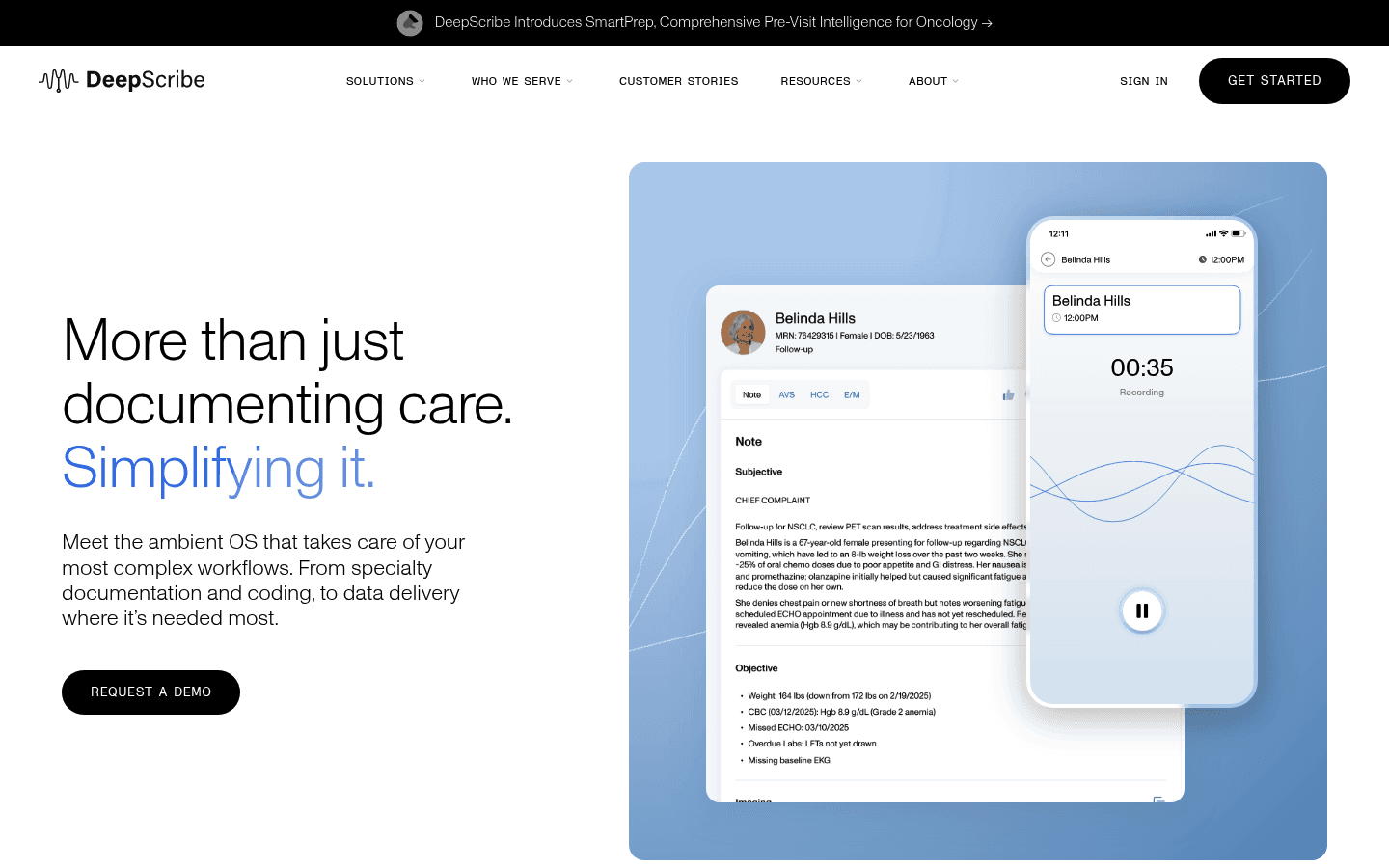
DeepScribe focuses on ambient documentation during the patient encounter. This is a different buying decision from dictating a paragraph into a note field.
Consider it if you want software that listens to the encounter and helps assemble documentation afterward. That can reduce typing, but it also changes the workflow and requires careful review before anything is finalized.
Best for: clinics testing ambient AI documentation.
Strengths:
Built around the clinical visit rather than generic dictation
Useful for repeated note workflows
Better fit than general transcription when the goal is structured documentation
Main downside: ambient tools can create new review habits, implementation work, and vendor evaluation questions.
5. Amazon Transcribe Medical: best API for custom healthcare software
Amazon Transcribe Medical is not a ready-made dictation app for a doctor. It is an API for builders.
Use it if your team wants to build speech recognition into a healthcare product or internal workflow. AWS says the service is designed for medical speech-to-text use cases, but the final compliance picture depends on your architecture, account setup, agreements, and implementation.
Best for: healthcare software teams and technical organizations.
Strengths:
Medical speech recognition through an API
Can support real-time or batch workflows
Flexible if you have engineers and clear product requirements
Main downside: it does not give a solo clinician a finished app. You have to build the workflow around it.
6. Notta: best broad transcription option, not clinical dictation
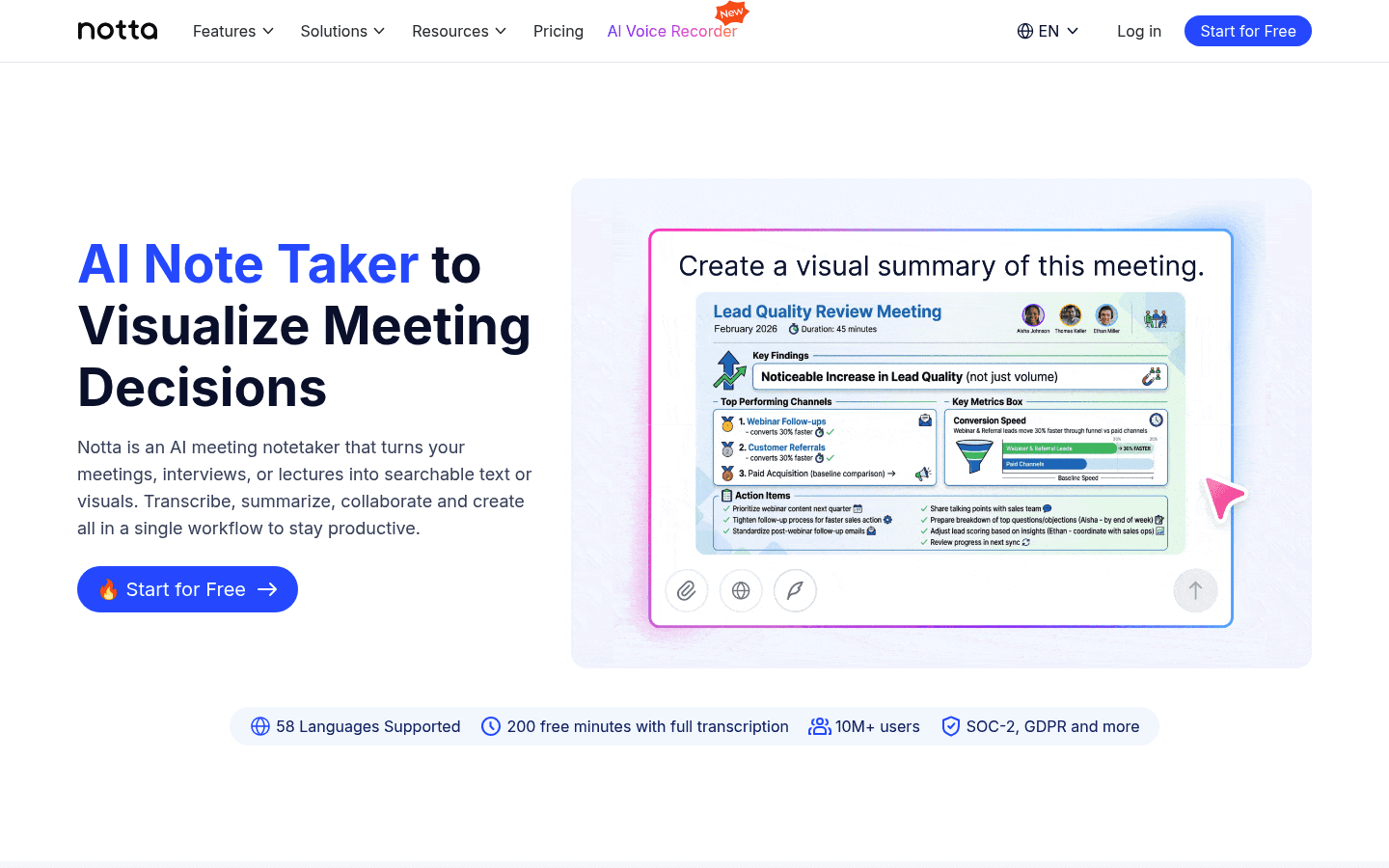
Notta belongs in the comparison because many searches for medical transcription software are really broad transcription searches. Teams may want multilingual transcripts, meeting summaries, or audio-to-text for non-clinical material.
Do not confuse that with clinical dictation. If the work involves patient documentation, you need a healthcare-specific evaluation before using a general transcription tool.
Best for: multilingual, non-clinical transcription and meeting capture.
Strengths:
Easy setup
Broad transcription use cases
Useful when you do not need medical charting features
Main downside: it is not the lead choice for medical vocabulary, EHR workflows, or protected clinical documentation.
7. INVOX Medical: best smaller medical-specific option to compare
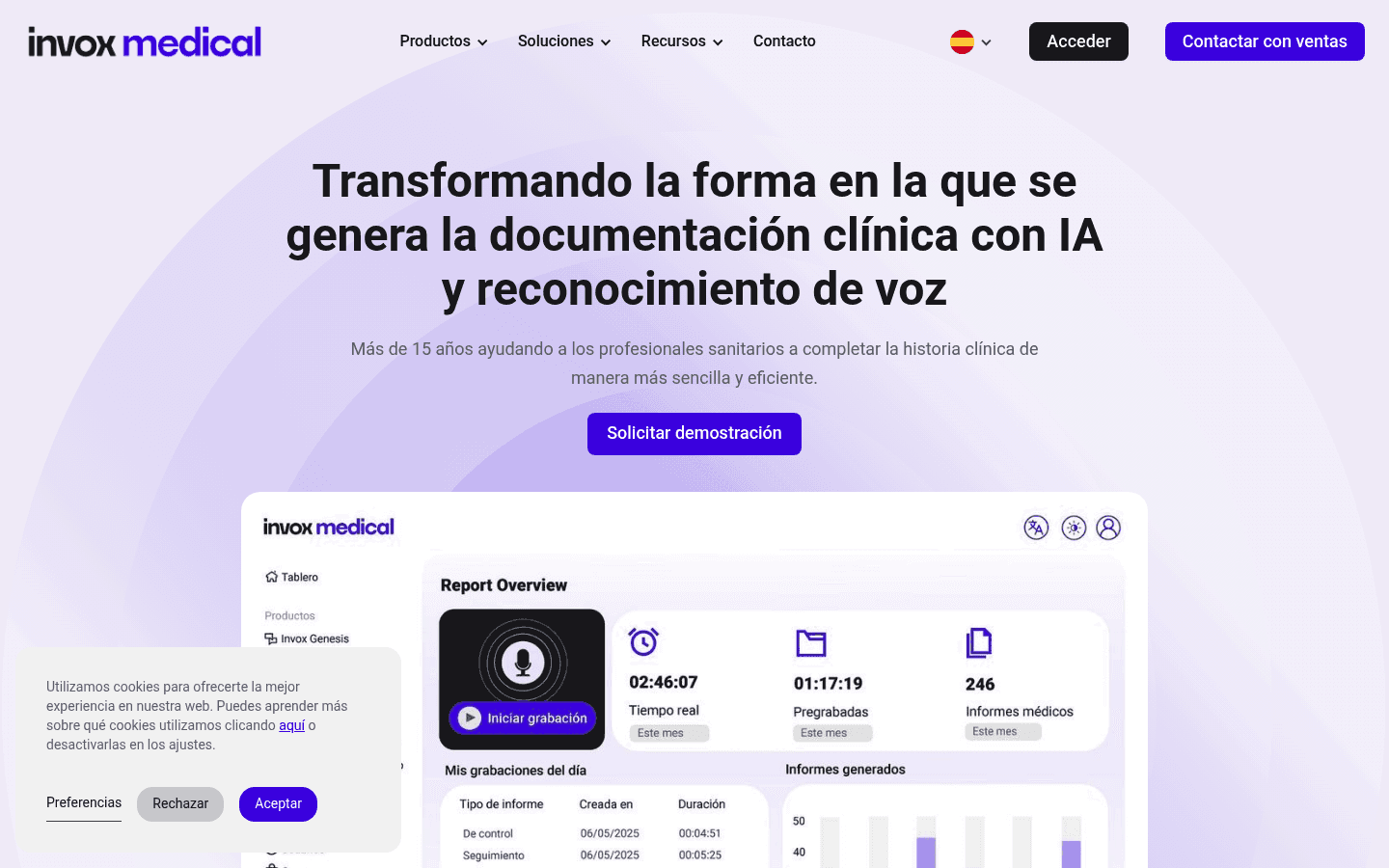
INVOX Medical is worth checking if you want a medical-focused dictation option outside the best-known Dragon path.
Smaller vendors can sometimes fit a niche workflow better, but they need closer buyer diligence. Ask about deployment model, support, data handling, integrations, pricing, and how medical vocabulary is handled in your specialty.
Best for: buyers building a shortlist of medical-specific alternatives.
Strengths:
Medical-focused positioning
More relevant to healthcare than generic dictation apps
Potential fit for practices that want options beyond Dragon
Main downside: smaller ecosystem and less market visibility than the big-name tools.
Dragon vs medical transcription vs ambient AI scribes
This is the decision most buyers should make before requesting demos.
Choose Dragon-style medical dictation if:
You want to speak notes yourself and keep direct control over the wording.
You need a clinical documentation workflow, not just a transcript.
Your team already works inside an EHR-heavy process.
Choose medical transcription if:
You already have recordings or voice files that need to become text.
The output can be reviewed after the fact.
You care more about transcript handling than live note entry.
Choose an ambient AI scribe if:
The real pain is turning visits into notes, not speaking into a text field.
Your clinicians can review AI-generated drafts before finalizing records.
You are ready to evaluate privacy, consent, workflow, and EHR fit carefully.
Choose general dictation if:
You mainly need faster writing outside the clinical record.
You dictate drafts that will be reviewed, edited, and handled appropriately.
You want a lightweight tool for emails, summaries, documents, and admin work.
How we chose these tools
We looked for tools that represent the main categories people mean when they search for medical dictation software: medical dictation, AI scribing, transcription, API infrastructure, and general dictation for non-sensitive drafting.
We also checked whether each tool had a clear public website, a plausible fit for the category, and enough information for a buyer to decide whether it belongs on a shortlist. For healthcare use, we favored careful wording over vendor hype.
What to check before you buy
PHI and compliance: Will the tool process protected health information? If yes, ask about HIPAA posture, BAA availability, storage, retention, access controls, and audit expectations.
EHR fit: Does it work where your clinicians already document care?
Output type: Do you need raw dictation, transcript cleanup, or a structured clinical note?
Review burden: How much checking and editing remains after the tool finishes?
Device support: Is your team on Windows, Mac, mobile, browser tools, or shared clinical workstations?
Real cost: Count onboarding, admin time, training, support, and cleanup, not just the subscription price.
Best picks by workflow
Large health system: start with Dragon Medical One and other healthcare-native vendors.
Small outpatient clinic exploring AI notes: compare Freed and DeepScribe.
Solo professional writing outside patient records: try Voicy for low-cost dictation and file transcription.
Healthcare product team: evaluate Amazon Transcribe Medical as infrastructure.
General audio transcription: compare Notta and broader transcription software options.
Frequently asked questions
What is the best medical dictation software?
Dragon Medical One is the safest starting point for dedicated clinical dictation. If you want AI-generated visit notes, compare medical scribes like Freed and DeepScribe. If you only need non-sensitive drafting and admin writing, Voicy is a lighter option.
What is the difference between medical dictation and medical transcription?
Medical dictation usually means speaking text into a workflow in real time. Medical transcription usually means turning an audio file or recording into a written transcript.
What is EHR dictation?
EHR dictation is speech-to-text that works inside or near an electronic health record workflow. For clinical documentation, this fit matters more than general writing features.
What is an ambient AI medical scribe?
An ambient AI medical scribe listens to a patient encounter and creates a draft note. It is not the same as classic dictation because the tool tries to structure the note from a conversation.
Is Voicy medical dictation software?
No. Voicy is a general cloud-based dictation and file transcription tool. It can help healthcare professionals with non-sensitive drafts, summaries, letters, emails, and admin writing, but it is not positioned here as clinical documentation software.
Can Voicy be used for protected health information?
This article positions Voicy for non-PHI drafts, summaries, emails, and admin writing. Do not use it for protected clinical documentation unless your own compliance review confirms the workflow is appropriate.
Can I use regular dictation software for medical notes?
You can use regular dictation software for non-sensitive drafts, but formal patient documentation needs a stricter review of compliance, accuracy, data handling, and EHR workflow fit.
What is the best Dragon Medical One alternative?
For clinical documentation, compare healthcare-native tools and AI medical scribes first. For lighter non-PHI drafting, Voicy can be a much cheaper alternative to consider. See the broader Dragon alternatives guide too.
Do AI medical scribes replace dictation?
Not always. AI scribes help create draft notes from conversations. Dictation is still better when you want direct control over the exact words.
Is cloud-based dictation safe for healthcare?
Cloud-based delivery is not automatically safe or unsafe. The real question is whether the vendor, contract, data handling, and workflow match your healthcare compliance requirements.
What should doctors test before buying?
Test medical vocabulary, real workflow fit, background noise, accent handling, device support, EHR handoff, review burden, and what happens to audio and transcripts after processing.
Related long-tail searches like dictation medical software and dictation software medical should stay on this medical dictation guide unless a future GSC split proves they need separate pages. Keep Voicy positioned for non-PHI drafts and admin writing, not EHR-specific clinical documentation.
Final takeaway
Search demand for medical dictation software is real, but the phrase hides several different jobs.
If your job is clinical documentation, start with healthcare-native tools and verify compliance before price. If your job is drafting non-sensitive writing faster, a general speech-to-text tool like Voicy can be the simpler and cheaper choice.


