





Medical disclaimer: This article is for informational purposes only and is not a substitute for professional medical advice, diagnosis, or treatment. Always consult your doctor or rheumatologist about your specific condition and treatment plan.
Summary of the article
RA causes joint inflammation, morning stiffness, and fatigue — all of which make computer work harder than it needs to be.
A warm shower and gentle stretches before sitting down can ease morning stiffness significantly.
Your workstation setup matters more with RA: split keyboards, vertical mice, and compression gloves reduce stress on inflamed joints.
Take regular breaks using the Pomodoro method (25 minutes on, 5 off) to prevent overuse flares.
On bad days, voice typing lets you keep working without using your hands at all.
Evening wind-down with heat or ice therapy, light stretching, and good sleep habits helps your body recover.
Have a flare plan ready so you're not caught off guard at work.
Working at a computer with rheumatoid arthritis is a daily negotiation. Some days your hands cooperate. Some days they don't.
RA doesn't follow a schedule, which makes the 9-to-5 grind genuinely difficult. But with the right daily habits — morning to evening — you can stay productive without wrecking your joints in the process.
This guide is for people who use a keyboard for work and live with RA. We'll cover everything from waking up to winding down, including what to do when a flare hits in the middle of your workday.
For a broader look at typing challenges, see our guide on typing with arthritis.
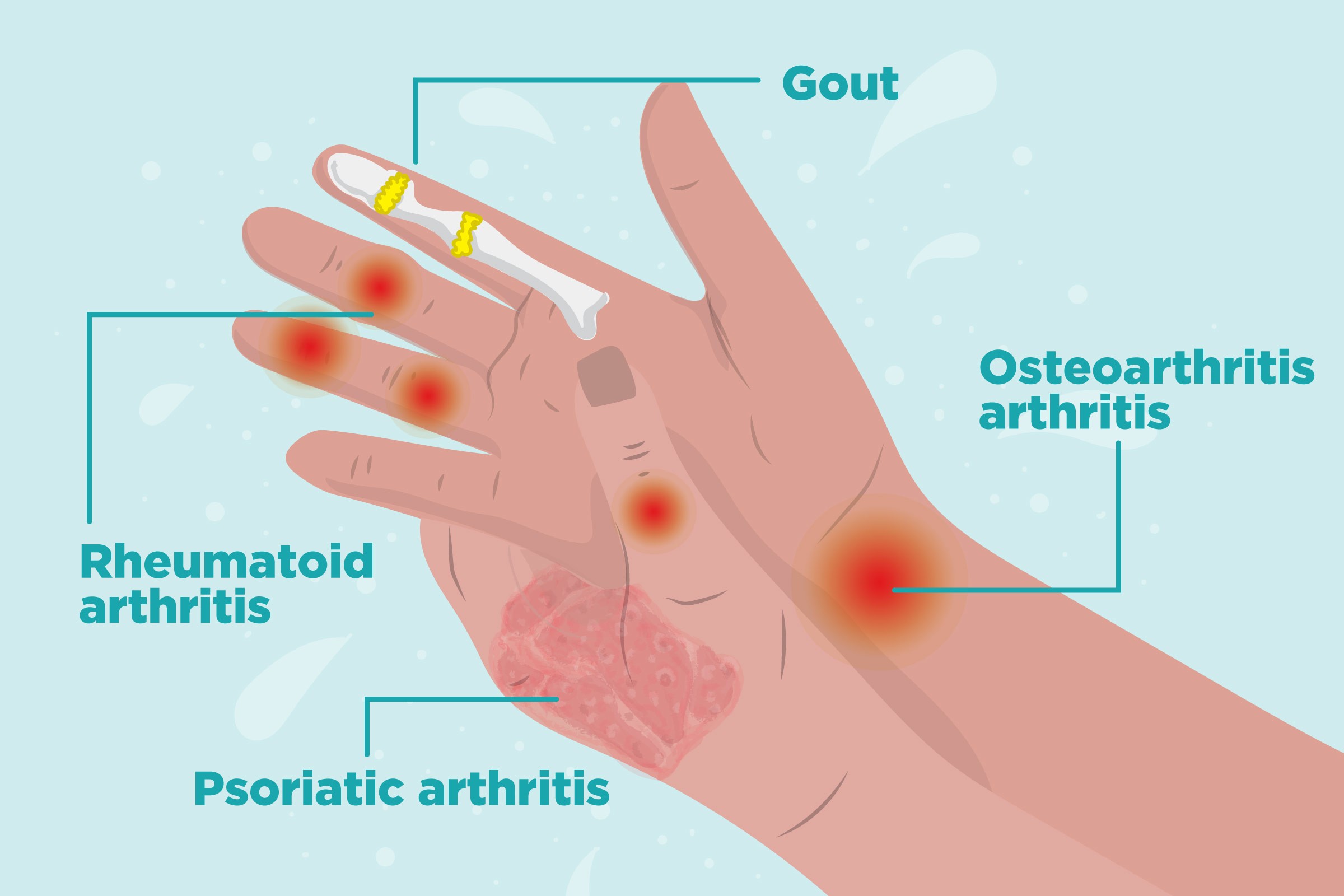
What Makes RA Different from Other Arthritis
RA isn't the same as the wear-and-tear arthritis most people picture. It's an autoimmune disease — your immune system attacks the lining of your joints by mistake.
A few things that make RA unique for computer workers:
Symmetric joint involvement: If your right hand hurts, your left often does too. This is a hallmark of RA.
Morning stiffness: Most RA patients feel their worst in the first 1–2 hours after waking up. Jumping straight to the keyboard is a bad idea.
Flares and remissions: RA doesn't stay constant. Some weeks are fine. Others are brutal. Your routine needs to flex with this.
Fatigue: RA-related fatigue isn't just tiredness. It's a deep, systemic exhaustion that affects concentration and productivity.
According to the Arthritis Foundation, about 1.5 million people in the US have RA, and many of them are working age. The Mayo Clinic notes that RA most often affects the wrists, fingers, and hands first — exactly where typing demands the most.
Understanding this distinction matters because the strategies that help with RA are different from general "office ergonomics" advice.
Morning Routine for RA Computer Workers
The first two hours of your day set the tone for everything that follows. Rushing to your desk while your joints are still stiff is a recipe for pain and lost productivity later.
Start with a Warm Shower
Heat loosens stiff joints. A warm (not scalding) shower in the morning is one of the most effective things you can do for RA morning stiffness. Let the warm water run over your hands, wrists, and fingers for a few minutes.
If you can't shower, a warm paraffin wax bath for your hands or even warm water in a bowl works too.
Do Your Gentle Stretches
Before you touch the keyboard, spend 5–10 minutes on gentle joint mobilization. Slowly open and close your hands, rotate your wrists, and stretch your fingers one at a time. Don't push through sharp pain — the goal is gentle movement, not a workout.
Check out our dedicated guide on hand exercises for computer users with arthritis for a step-by-step routine.
Eat an Anti-Inflammatory Breakfast
What you eat in the morning matters more than you might think. Foods like berries, walnuts, fatty fish, and leafy greens have anti-inflammatory properties. Ultra-processed foods and added sugar tend to do the opposite.
A simple rule: if it came from a plant or animal in a recognizable form, it's probably a better bet than something that came in a crinkly bag.
Take Medications on Schedule
If you take DMARDs, biologics, or NSAIDs for RA, morning is often when they're due. Talk to your rheumatologist about the best timing — some medications work better when taken with food, and some need time to kick in before you start working.
Ease Into Typing
Don't start with your most demanding writing tasks. Spend the first 20–30 minutes of your workday on low-effort tasks: reading emails, reviewing a calendar, organizing your to-do list. Let your joints warm up and your medication take effect before you start heavy keyboard work.
Your Workstation Setup: An RA-Specific Checklist
Standard ergonomics advice is a starting point, but RA has some specific needs that go beyond "chair at the right height." Here's what to prioritize:
Keyboard: Split or Low-Force Options
A split keyboard lets you position each hand naturally instead of forcing your wrists toward the center. Look for keyboards with low actuation force — the less pressure needed to press each key, the less strain on inflamed finger joints.
Popular options include the Kinesis Advantage and the Logitech Ergo K860.
Mouse: Go Vertical
A vertical mouse keeps your hand in a handshake position rather than palm-down, which reduces forearm and wrist rotation. This small change can make a big difference for RA patients who experience wrist involvement.
The Logitech MX Vertical is a well-regarded option. Trackballs are another alternative worth trying.
Monitor Height and Position
Your monitor should be at eye level — not too high, not too low. If you're straining your neck to see the screen, your whole posture shifts in ways that add stress to your upper body, which can affect how you position your already-sore hands.
Keep the Room Warm
Cold makes RA symptoms worse for many people. If you work from home, keep your workspace warmer than you might otherwise. If you're in an office, keep a small desk heater or heated hand rest nearby.
Compression Gloves
Arthritis compression gloves provide gentle warmth and support during typing. They won't fix a flare, but many RA patients find they reduce aching during regular workdays. Look for fingerless or open-finger designs that still let you type freely.
During the Workday: Pacing Yourself
The biggest mistake RA patients make at work is powering through. You feel okay at 10 AM, so you keep typing until noon. By 2 PM, you're paying for it.
Use the Pomodoro Method (Modified for RA)
The classic Pomodoro technique is 25 minutes of work, 5 minutes of rest. For RA, take those breaks seriously — put your hands in your lap, do a few gentle wrist stretches, or apply heat.
If 25 minutes feels too long on bad days, try 15/5 or even 10/5. The rhythm matters more than the exact time.
Alternate Between Task Types
Don't spend three hours straight typing a report. Break up your keyboard-heavy tasks with things that don't require your hands: thinking, reviewing, listening to a recorded meeting, or verbal planning. Alternating task types gives your joints natural recovery time within the workday.
Watch for Early Flare Signals
You know your body. Pay attention to the early signs a flare is building — increased warmth in your joints, unusual fatigue, stiffness that doesn't ease up. Catching it early and slowing down gives you more options than pushing through until it's severe.
Know When to Stop Typing
There will be days when continuing to type is the wrong call. If your joints are hot, swollen, or in sharp pain, stopping and resting is not failure — it's managing a medical condition. One bad day doesn't have to become three bad days.
For more on how RA specifically affects your fingers during typing, read our post on arthritis in fingers and typing.
Voice Typing: Your RA Backup Plan
On the days when your hands just won't cooperate, voice typing is the clearest path to keeping your productivity up without pushing through pain.
Instead of hunting for workarounds or canceling your afternoon, you dictate. Your voice does the work. Your hands rest.
Voicy is a voice typing app for Mac, Windows, and browser that works inside almost any application — email, Google Docs, Slack, Notion, wherever you're working. You don't have to switch tools or copy-paste between windows. Just speak, and the text appears where your cursor is.
It works especially well for RA patients because you can dictate full paragraphs, correct small mistakes verbally, and work through a heavy writing day without your hands leaving your lap. Try the free trial and keep it on standby for flare days — you'll be glad you did.
If you deal with other repetitive strain conditions alongside RA, our speech-to-text guide for carpal tunnel has additional strategies that overlap with RA management.
Evening Wind-Down for RA
What you do after work matters as much as what you do during. Your joints spent all day absorbing stress. Now they need real recovery time.
Heat or Ice — Which One?
This depends on your symptoms:
Heat (warm compress, heating pad, paraffin wax bath) helps with stiffness and chronic aching. Good for most evenings.
Ice (cold pack wrapped in a cloth) helps with active inflammation — swelling, heat, redness in a joint. Use during active flares, not as a daily routine.
When in doubt, ask your rheumatologist. Some people do better with one over the other.
Evening Stretches
Light, gentle stretching in the evening — hands, wrists, shoulders — helps reduce overnight stiffness. Keep it slow. The goal is range of motion, not building strength.
Sleep Hygiene for RA
RA and poor sleep are a vicious cycle: pain disrupts sleep, and poor sleep amplifies pain. A few things that help:
Stick to a consistent sleep schedule, even on weekends.
Keep your bedroom cool — but use warm blankets you can easily adjust.
If wrist or hand pain wakes you up, consider a resting splint. These hold your joints in a neutral position while you sleep.
Talk to your doctor about whether your medications are affecting sleep.
Managing Flares at Work
You won't always get to flare at home. Sometimes it hits at 11 AM on a Tuesday with three meetings ahead of you.
What to Do When a Flare Hits Mid-Day
Stop typing immediately. Switch to voice input or ask a colleague for help.
Apply heat or cold to the affected joints. Keep a heat pack at your desk for this exact situation.
Take any fast-acting medication your doctor has prescribed for acute pain, if appropriate for your treatment plan.
Cancel or reschedule what you can. A flare is a medical event — treat it like one.
Talking to Your Team
You don't owe your colleagues your full medical history. But a general heads-up — "I have a chronic condition that occasionally flares up and I may need to adjust my schedule on short notice" — gives your manager context without oversharing.
More people than you might think will understand. Chronic illness is common.
Have a Backup Plan Ready
When you're feeling well, set up your contingency plan for bad days:
Install voice typing software and learn how it works before you need it.
Keep a heat pack in your desk drawer.
Know which deadlines are flexible and which aren't.
Identify 2–3 tasks you can do with minimal hand use on flare days (reviewing, listening, calls).
Having a plan means flares are annoying disruptions instead of crises.

Frequently Asked Questions
Can I still work at a computer if I have rheumatoid arthritis?
Yes, most people with RA continue working. The key is adapting your setup and habits. Ergonomic equipment, regular breaks, and voice typing on bad days let most RA patients sustain computer-based careers with less pain.
What is the best keyboard for rheumatoid arthritis?
Split ergonomic keyboards and low-actuation-force keyboards are generally best for RA. The Kinesis Advantage and Logitech Ergo K860 are popular choices. Avoid compact keyboards that force awkward hand positions.
Do compression gloves actually help with RA typing pain?
Many RA patients report relief from compression gloves during typing. They provide warmth and mild joint support. They won't stop a flare, but they can make regular workdays more manageable. Look for fingerless designs rated for arthritis use.
Is heat or ice better for RA hand pain?
Both have a role. Heat works best for stiffness and chronic aching — use it for your morning and evening routine. Ice is better during an active flare with visible swelling. Talk to your rheumatologist about which is right for your specific pattern of symptoms.
How do I use voice typing with rheumatoid arthritis?
Voice typing tools like Voicy work directly inside the apps you already use — you just speak and text appears. The learning curve is minimal. Start by dictating emails on a low-pain day to get comfortable, then use it as your main input on flare days.
Should I tell my employer I have rheumatoid arthritis?
You're not legally required to disclose a diagnosis in most countries. However, sharing that you have a chronic condition that may require occasional accommodations (flexible hours, adjusted deadlines) can help your manager support you better. General disclosure without full medical detail is usually enough.


